2-Day Great Migration Safari — Serengeti
Experience Tanzania's Great Migration on a compact 2-day safari focused on wildebeest, zebra, predators and the spectacular landscapes of the Serengeti ecosystem.
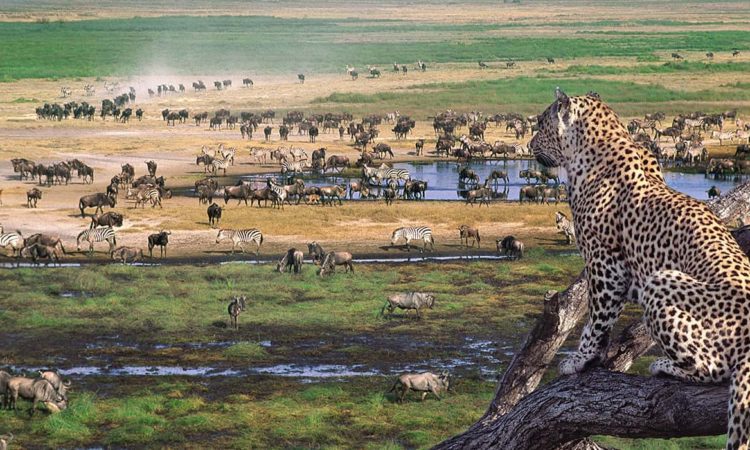
2-Day Great Migration Safari — Serengeti, Tanzania
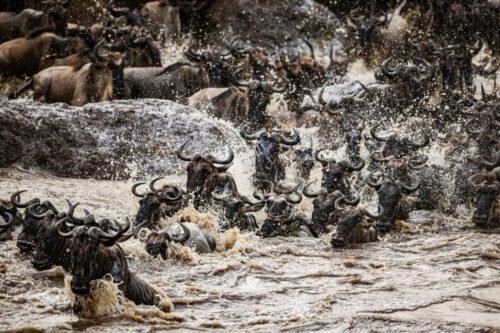
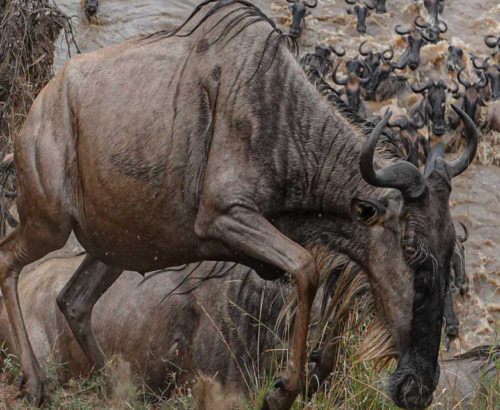
This 2-Day Great Migration Safari is designed for travelers who have limited time but want to experience one of Africa's most famous wildlife spectacles. Because the Great Migration moves throughout the year, the safari route depends heavily on your travel dates. During the January–March calving season, the itinerary can focus on the southern Serengeti and Ndutu area. During approximately July–October, the safari can be planned around the Northern Serengeti and Kogatende area, where travelers may have opportunities to witness wildebeest movement toward the Mara River. The exact location of the herds changes with rainfall, food availability and animal movements, so no responsible operator can guarantee a specific herd location or river crossing.
The Great Migration is not a single event that happens on one particular date. The herds move continuously through the Serengeti ecosystem, and the route of your safari should follow them.
Important: River crossings may occur during the northern migration period, but they are unpredictable. The animals may gather at the river and wait for hours or days before crossing, or cross at a different location. A Mara River crossing should never be guaranteed as part of the package.
The main difference between this package and an ordinary two-day Serengeti safari is the planning around the seasonal location of the migration. The objective is not simply to visit the Serengeti — instead, your route is designed around where the wildebeest and zebra are expected to be during your travel period.
This is especially important when you only have two days. A generic Serengeti itinerary could spend significant time driving between areas. A migration-focused itinerary should concentrate your game-viewing time in the relevant migration zone.
Yes, it is possible — however, two days provides a limited window. The Serengeti is extremely large and wildlife sightings cannot be guaranteed. This is why choosing the correct migration region is particularly important. If you have flexibility, three or more days gives you more time to search for the herds.
If witnessing the migration is the main reason for your Tanzania trip, extending the safari to three or four days gives you more time to search for the herds. For comparison, current SafariBookings listings include 3-day Great Migration itineraries from about US$1,279 and longer Northern Serengeti migration safaris around US$2,473 for six days.
You may see one if you travel during the appropriate season and the herds are in the Northern Serengeti. But there is no guarantee. A crossing depends on the natural behavior of the wildebeest. The animals may gather at a riverbank without crossing, cross quickly before your vehicle reaches the location, or use another crossing point.
Your safari should therefore be sold as a Great Migration safari with the possibility of witnessing a river crossing, rather than a guaranteed river-crossing safari.
| Migration Zone | Preferred Accommodation Area |
|---|---|
| Southern Serengeti / Ndutu | Mid-range tented camp selected close to the migration area (Jan–Mar calving season) |
| Northern Serengeti / Kogatende | Accommodation near Kogatende when available, to reduce unnecessary driving (Jul–Oct) |
Possible accommodation will be confirmed according to travel dates, migration location, availability, budget and preferred comfort level. For a two-day migration safari, location is extremely important. A cheaper camp several hours away from the migration area may provide less actual wildlife-viewing time. Accommodation is subject to availability and can be replaced with a similar property of the same category.
Detailed 2-Day Itinerary
From Arusha to the Serengeti and back. Follow the day-by-day timeline below.
Your 2-Day Great Migration Safari begins early in Arusha. Meet your professional safari guide and depart for the Serengeti. The exact route depends on your travel dates.
If you are traveling during the calving season, the safari will focus on the southern Serengeti and Ndutu region. If you are traveling during the northern migration season, the itinerary can be designed around the Northern Serengeti and Kogatende area.
The drive itself provides an opportunity to see Tanzania's changing landscapes as you travel toward the Serengeti ecosystem. Once you reach the appropriate migration zone, begin your game drive. Your guide will monitor wildlife activity and search for concentrations of wildebeest and zebra.
You may also encounter: Lions · Cheetahs · Leopards · Hyenas · Elephants · Buffaloes · Giraffes · Gazelles · Zebras · Wildebeest · Warthogs · Ostriches.
TANAPA describes Serengeti as home to more than 1.5 million wildebeest, together with zebras and predators involved in the large mammal migration. Continue your game drive before heading to your accommodation.
Wake up early for breakfast before beginning your final game drive. Because this is a short safari, the morning is dedicated to maximizing your time in the migration area. Your guide will search for wildebeest herds, zebra and predators. If the herds are concentrated nearby, you can spend more time observing them rather than covering unnecessary distances.
During the Calving Season (January–March): The focus will be on the southern Serengeti and Ndutu ecosystem. You may encounter large concentrations of wildebeest and young calves, alongside predators attracted to the abundance of prey.
During the Northern Migration (July–October): The focus can be Northern Serengeti and Kogatende. If recent wildlife information indicates that the herds are near the Mara River, your guide can explore appropriate areas for potential crossing activity. However, a river crossing remains a natural event and cannot be guaranteed.
After the morning game drive, begin the journey back toward Arusha. Depending on the final route and your departure arrangements, lunch can be taken en route. Arrive in Arusha later in the day.
The Serengeti is much more than wildebeest. During your safari, your guide will also search for predators and resident wildlife. TANAPA lists lions, leopards, elephants, buffaloes and rhinos among the park's Big Five, alongside abundant herbivores and more than 500 bird species.
Rates & Pricing
Our recommended starting price for this private mid-range package. Prices are indicative and should be confirmed according to the travel date, migration location, accommodation availability and current park charges.
| Number of Travelers | Price Per Person |
|---|---|
| 1 Traveler | US$1,850 |
| 2 Travelers | US$1,350 |
| 3 Travelers | US$1,200 |
| 4 Travelers | US$1,100 |
| 5 Travelers | US$1,050 |
| 6 Travelers | US$995 |
Important: These are indicative prices and should be confirmed against the actual travel dates. A major factor is where the migration is located. A two-day safari based in Central or Southern Serengeti can be considerably different in logistics and accommodation cost from a trip specifically targeting the Northern Serengeti and Kogatende. Current SafariBookings listings demonstrate this broad price range, including a 2-day Ndutu migration package at US$1,085 and Northern Serengeti luxury migration accommodation above US$2,000 per person.
| Migration Zone | Preferred Accommodation Area |
|---|---|
| Southern Serengeti / Ndutu | Mid-range tented camp selected close to the migration area (Jan–Mar calving season) |
| Northern Serengeti / Kogatende | Accommodation near Kogatende when available, to reduce unnecessary driving (Jul–Oct) |
Accommodation is subject to availability and can be replaced with a similar property of the same category. Possible accommodation will be confirmed according to travel dates, migration location, availability, budget and preferred comfort level.
What's Included in Your 2-Day Great Migration Safari
We believe in full transparency. Below is exactly what is included in your 2-Day Great Migration Safari — and what is not.
- Private 4×4 safari vehicle
- Professional English-speaking driver-guide
- Arusha pickup and drop-off
- Fuel
- Serengeti National Park entry fees as quoted
- Applicable conservation and tourism fees
- Game drives
- One night accommodation
- Breakfast
- Lunch
- Dinner
- Drinking water during the safari
- Safari planning and coordination
- Applicable government taxes and tourism charges
- International flights
- Tanzania visa
- Travel insurance
- Airport transfers outside the agreed itinerary
- Alcoholic drinks
- Laundry
- Personal expenses
- Tips
- Souvenirs
- Hot-air balloon safari
- Additional accommodation
- Additional activities
- Medical expenses
- Any service not listed under inclusions
Getting There
This 2-Day Great Migration Safari begins and ends in Arusha. A fly-in version can also be arranged from Zanzibar for travelers spending a beach holiday who want to add a short Great Migration experience. The fly-in option reduces road travel and provides more time in the Serengeti.
Early mornings in the Serengeti can feel cool, so a warm layer is useful even during warmer months. Keep your luggage light and practical for a two-day safari.
A two-day safari is short, so your schedule will be relatively active. You should expect an early departure from Arusha and several hours of road travel. Wildlife sightings are not guaranteed — your guide can search known wildlife areas and adjust the route according to current sightings, but animals are wild and constantly moving.
The short duration means you should avoid adding too many extra activities. The main objective should remain wildlife viewing around the migration zone.
If you have flexibility, three or more days gives you more time to search for the herds. For comparison, current SafariBookings listings include 3-day Great Migration itineraries from about US$1,279 and longer Northern Serengeti migration safaris around US$2,473 for six days.
This package is designed as a private safari. Your group travels in a dedicated 4×4 safari vehicle with a professional driver-guide. This is particularly useful for a short Great Migration safari because your guide can adjust the route according to wildlife sightings and current migration information.
A shared safari can be quoted separately for travelers looking for a lower-cost option.
A hot-air balloon safari can be added for travelers who want to experience the Serengeti from above. TANAPA lists sunrise balloon safaris among the activities available in Serengeti National Park. Because a balloon flight requires an early start and separate booking, it should be requested when making your safari reservation.
Yes, but because this is a two-day migration-focused safari, adding Ngorongoro means reducing time available for the migration. For travelers visiting during the Ndutu calving season, a combination of Southern Serengeti/Ndutu and Ngorongoro can work well. For a pure migration experience, however, keeping both days focused on the Serengeti may make more sense.
Yes. Travelers interested in the wider Great Migration ecosystem can combine Tanzania's Serengeti with Kenya's Maasai Mara. A longer itinerary can include: Serengeti → Northern Serengeti → Maasai Mara. This is particularly attractive during the northern migration period.
Yes. Tarec Gorilla Safaris can create a multi-country East African itinerary combining Tanzania with Uganda or Rwanda. For example: Rwanda → Uganda → Tanzania (Kigali → Bwindi → Queen Elizabeth → Serengeti), or Uganda → Kenya → Tanzania (Bwindi → Maasai Mara → Serengeti). This allows travelers to combine mountain gorillas and chimpanzees with the classic East African savannah experience.
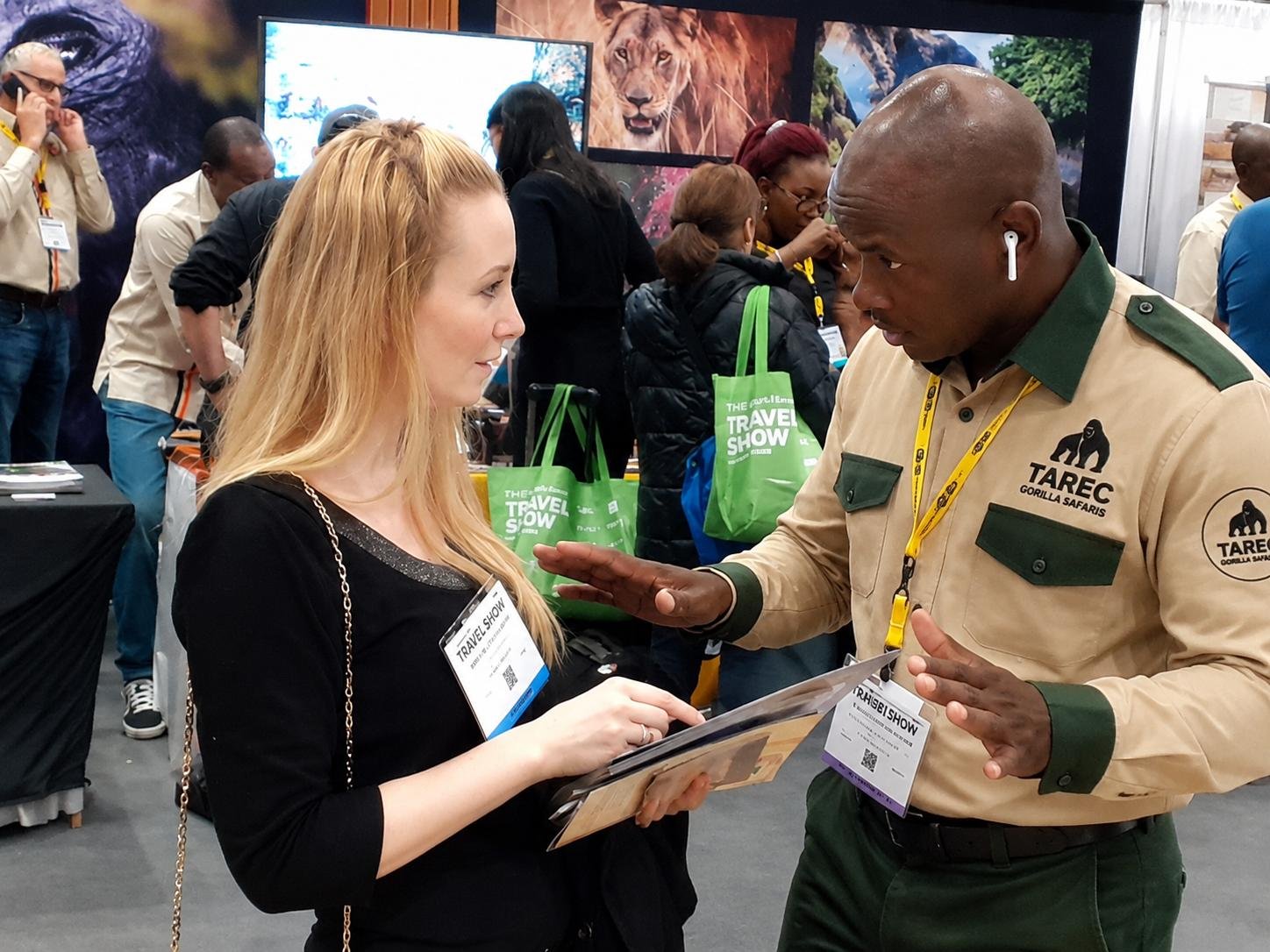
Meet the Tarec Gorilla Safaris Team
We are a locally owned and operated safari company based in Kampala, Uganda. Our team of experienced driver-guides, primate trackers, and travel planners is passionate about sharing the beauty of East Africa with travellers from around the world. Every safari we run is personally designed by someone who has walked the trails, tracked the gorillas, and knows the lodges by name.
At Tarec Gorilla Safaris, we can organize private Tanzania safari experiences alongside our Uganda and Rwanda safaris. Our cross-border safari planning allows travelers to combine destinations across East Africa rather than treating each country as a separate trip.
For this Great Migration package, we focus on:
The safari can also be extended into a longer Tanzania itinerary or combined with Kenya, Uganda or Rwanda depending on your travel plans.

Tarec Gorilla Safaris
We are a full-service safari operator offering custom itineraries, group tours, and self-drive packages. Our fleet of well-maintained 4×4 vehicles and our network of trusted lodges ensure a safe, comfortable, and unforgettable safari experience.