
Kibale Forest National Park is one of Uganda’s most remarkable wildlife destinations and is widely recognized as the Primate Capital of the World. Covering approximately 795 square kilometers of tropical rainforest, the park is home to the highest concentration of primates in Africa, including more than 1,500 chimpanzees and 12 other primate species.
Located in western Uganda near Fort Portal, Kibale Forest offers visitors an extraordinary opportunity to trek through ancient rainforest, observe wild chimpanzees in their natural habitat, discover rare wildlife, and experience one of Africa’s richest ecosystems. Whether you are a wildlife enthusiast, photographer, birdwatcher, or adventure traveler, Kibale Forest National Park promises an unforgettable safari experience.
Where Is Kibale Forest National Park?
Kibale Forest National Park lies in western Uganda, approximately 320 kilometers from Kampala and about 45 kilometers from Fort Portal. The drive from Kampala takes around five to six hours through scenic countryside, tea plantations, and rolling hills.
The park borders Queen Elizabeth National Park, making it easy to combine chimpanzee trekking with a classic wildlife safari.
Why Visit Kibale Forest National Park?
Kibale Forest is one of Africa’s finest rainforest ecosystems and offers experiences found nowhere else in Uganda.
World-Class Chimpanzee Trekking
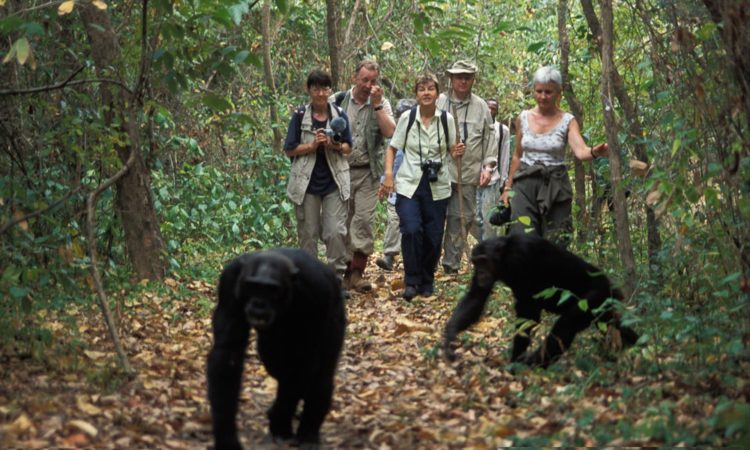
Chimpanzee trekking is the park’s biggest attraction. Experienced guides lead visitors deep into the forest to locate habituated chimpanzee communities.
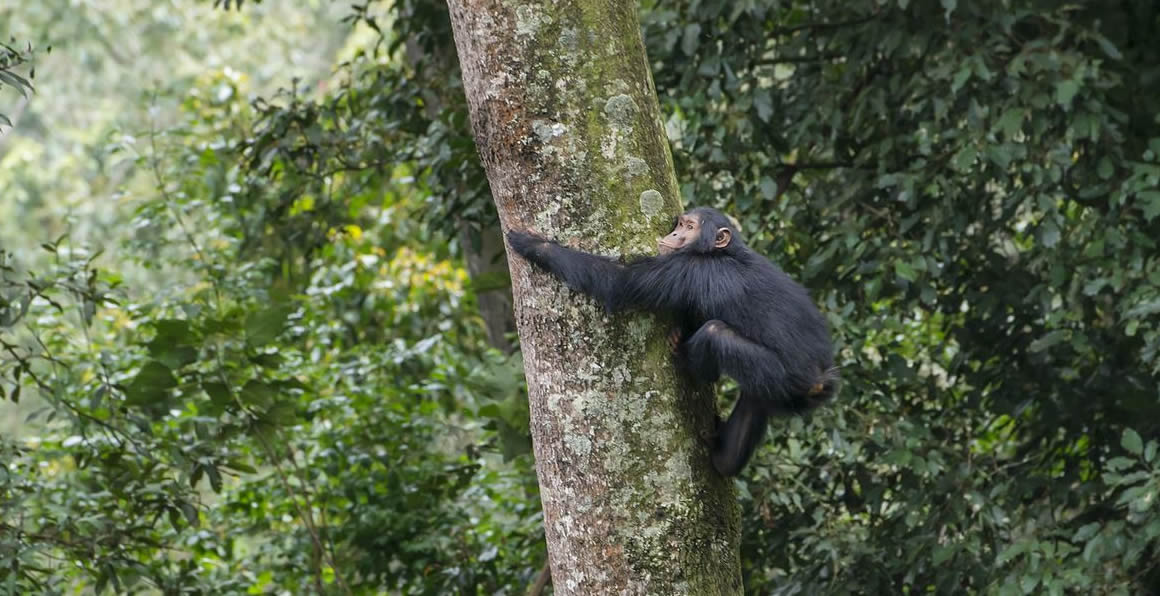
Watching these intelligent primates feed, groom, communicate, and swing through the forest canopy is a thrilling and unforgettable experience.
With a chimpanzee tracking success rate of over 90%, Kibale is considered one of the best places in Africa to see wild chimpanzees.
Chimpanzee Habituation Experience
For travelers seeking a deeper adventure, Kibale offers the Chimpanzee Habituation Experience (CHEX).
Unlike standard trekking, this full-day activity allows visitors to spend up to four hours with researchers and habituated chimpanzees as they observe their daily behaviors.
This immersive experience provides unique insights into chimpanzee conservation, communication, feeding habits, and social interactions.
Incredible Primate Diversity
Kibale Forest protects the greatest diversity of primates in East Africa.
| Primate Group | Species |
|---|---|
| Great Apes | Chimpanzees |
| Colobus Monkeys | Black-and-white colobus monkeys, Red colobus monkeys |
| Guenons | Red-tailed monkeys, L’Hoest’s monkeys, Blue monkeys, Vervet monkeys |
| Mangabeys | Grey-cheeked mangabeys |
| Baboons | Olive baboons |
| Nocturnal Primates | Bush babies |
This exceptional primate diversity makes Kibale one of Africa’s premier destinations for wildlife enthusiasts.
Bird Watching in Kibale Forest
Bird lovers will find Kibale Forest a true paradise. More than 375 bird species have been recorded within the park.
Notable species include:
- African pitta
- Green-breasted pitta
- Great blue turaco
- Black bee-eater
- Yellow-spotted barbet
- African grey parrot
- Crowned eagle
Birdwatching is rewarding throughout the year, particularly in the forest trails and nearby wetlands.
Bigodi Wetland Sanctuary
Adjacent to Kibale Forest lies the famous Bigodi Wetland Sanctuary, a community-managed conservation area known for its biodiversity.
A guided walk through Bigodi offers opportunities to see:
- Various monkey species
- Colorful butterflies
- Reptiles
- Wetland birds
- Traditional local communities
The sanctuary also supports local conservation and community development initiatives.
Other Wildlife in Kibale Forest
Although primates are the main attraction, Kibale is home to many other fascinating animals.
| Animal | Notes |
|---|---|
| Forest elephants | Shy and elusive; mostly seen through signs |
| Bush pigs | Active during early morning and evening |
| Giant forest hogs | Largest wild pig species |
| Bushbucks | Commonly seen along forest edges |
| Duikers | Small antelopes of the forest floor |
| African civets | Nocturnal and rarely seen |
| Mongooses | Active during the day |
Many of these species are shy and most active during the early morning or evening.
Best Time to Visit Kibale Forest
Kibale Forest National Park is open throughout the year.
| Season | Months | Best For |
|---|---|---|
| Dry Season | December – February & June – September | Chimpanzee trekking, forest walks, birdwatching, and photography. Trails are generally less muddy, making hiking easier. |
| Wet Season | March – May & October – November | Lush and vibrant forest, excellent birdwatching and photography, fewer visitors. Trekking trails can be slippery. |
How to Get There
| Transport Option | Details |
|---|---|
| By Road | Kibale Forest can be reached from Kampala in approximately five to six hours. The journey passes through beautiful tea plantations, crater lakes, and the scenic landscapes of western Uganda. |
| By Air | Domestic flights operate between Entebbe International Airport and nearby airstrips, followed by a short road transfer to the park. |
Accommodation Near Kibale Forest
Visitors can choose from a variety of accommodation options, including:
- Luxury forest lodges
- Eco-lodges
- Mid-range safari lodges
- Comfortable tented camps
- Budget guesthouses
Many lodges are surrounded by forest, allowing guests to wake up to birdsong and the sounds of wildlife.
Travel Tips
To enjoy your visit to Kibale Forest:
| Tip | Reason |
|---|---|
| Wear sturdy hiking boots | Essential for navigating forest trails |
| Pack long-sleeved clothing | Protection from insects and vegetation |
| Carry waterproof clothing during rainy months | Weather changes quickly in the rainforest |
| Bring insect repellent | Keeps biting insects away |
| Keep your camera ready but avoid using flash | Protects wildlife from disturbance |
| Follow your guide’s instructions during chimpanzee encounters | Ensures safety for visitors and chimpanzees |
| Book chimpanzee permits well in advance | Permits sell out quickly, especially during peak seasons |
Why Include Kibale Forest in Your Uganda Safari?
Kibale Forest National Park offers one of Africa’s finest primate experiences. From tracking wild chimpanzees to exploring lush rainforest trails and discovering rare birds and monkeys, the park delivers unforgettable encounters with nature.
It also combines perfectly with nearby destinations such as Queen Elizabeth National Park, Semuliki National Park, and Bwindi Impenetrable National Park, creating a diverse Uganda safari filled with wildlife, primates, and breathtaking scenery.
Frequently Asked Questions
What is Kibale Forest National Park famous for?
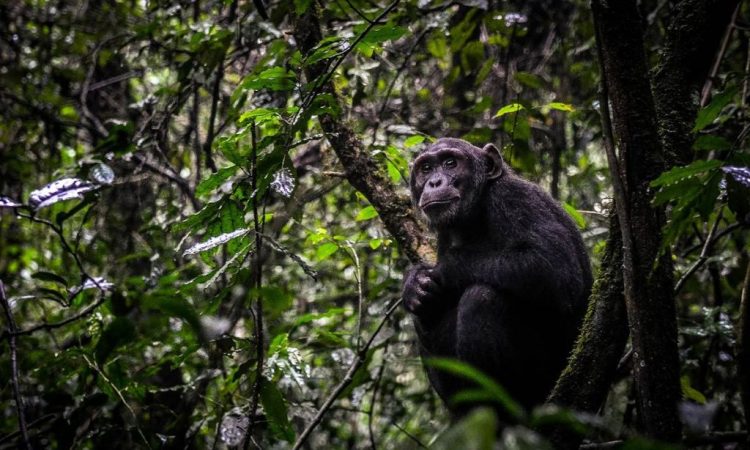
The park is best known for chimpanzee trekking and its exceptional diversity of primates.
How many primate species live in Kibale Forest?
Kibale is home to 13 primate species, including chimpanzees, colobus monkeys, mangabeys, and baboons.
How long does chimpanzee trekking take?
Chimpanzee trekking typically lasts between two and four hours, depending on the location of the chimpanzees.
Can beginners do chimpanzee trekking?
Yes. Most visitors with a reasonable level of fitness can enjoy chimpanzee trekking, although walking times vary.
What should I wear for chimpanzee trekking?
Wear long trousers, long-sleeved shirts, hiking boots, a rain jacket, and neutral-colored clothing to stay comfortable in the forest.
Book Your Kibale Forest Adventure Today
Experience the thrill of meeting wild chimpanzees in their natural habitat and discover the incredible biodiversity of Kibale Forest National Park. Whether you’re planning a primate safari, a birdwatching tour, or a complete Uganda wildlife adventure, our expert team can create the perfect itinerary for you.
Contact us today to book your unforgettable Kibale Forest National Park safari in Uganda.