Chimpanzee Conservation in Uganda
Protecting Africa’s Intelligent Primates for Future Generations, Uganda is one of Africa’s most important strongholds for wild chimpanzees. The country is home to an estimated 5,000 eastern chimpanzees (Pan troglodytes schweinfurthii), making it one of the best destinations for chimpanzee trekking and primate conservation. These intelligent primates play a vital role in maintaining healthy forest…
Protecting Africa’s Intelligent Primates for Future Generations, Uganda is one of Africa’s most important strongholds for wild chimpanzees. The country is home to an estimated 5,000 eastern chimpanzees (Pan troglodytes schweinfurthii), making it one of the best destinations for chimpanzee trekking and primate conservation.
These intelligent primates play a vital role in maintaining healthy forest ecosystems, yet they face growing threats from habitat loss, disease, and illegal human activities.
Fortunately, Uganda has made significant progress in protecting its chimpanzee populations through conservation programs, protected areas, scientific research, and responsible tourism. Organizations, government agencies, local communities, and tour operators all contribute to safeguarding these remarkable animals for future generations.
This guide explores the importance of chimpanzee conservation in Uganda, the challenges chimpanzees face, and how visitors can help protect them while enjoying unforgettable wildlife experiences.
Why Chimpanzees Matter
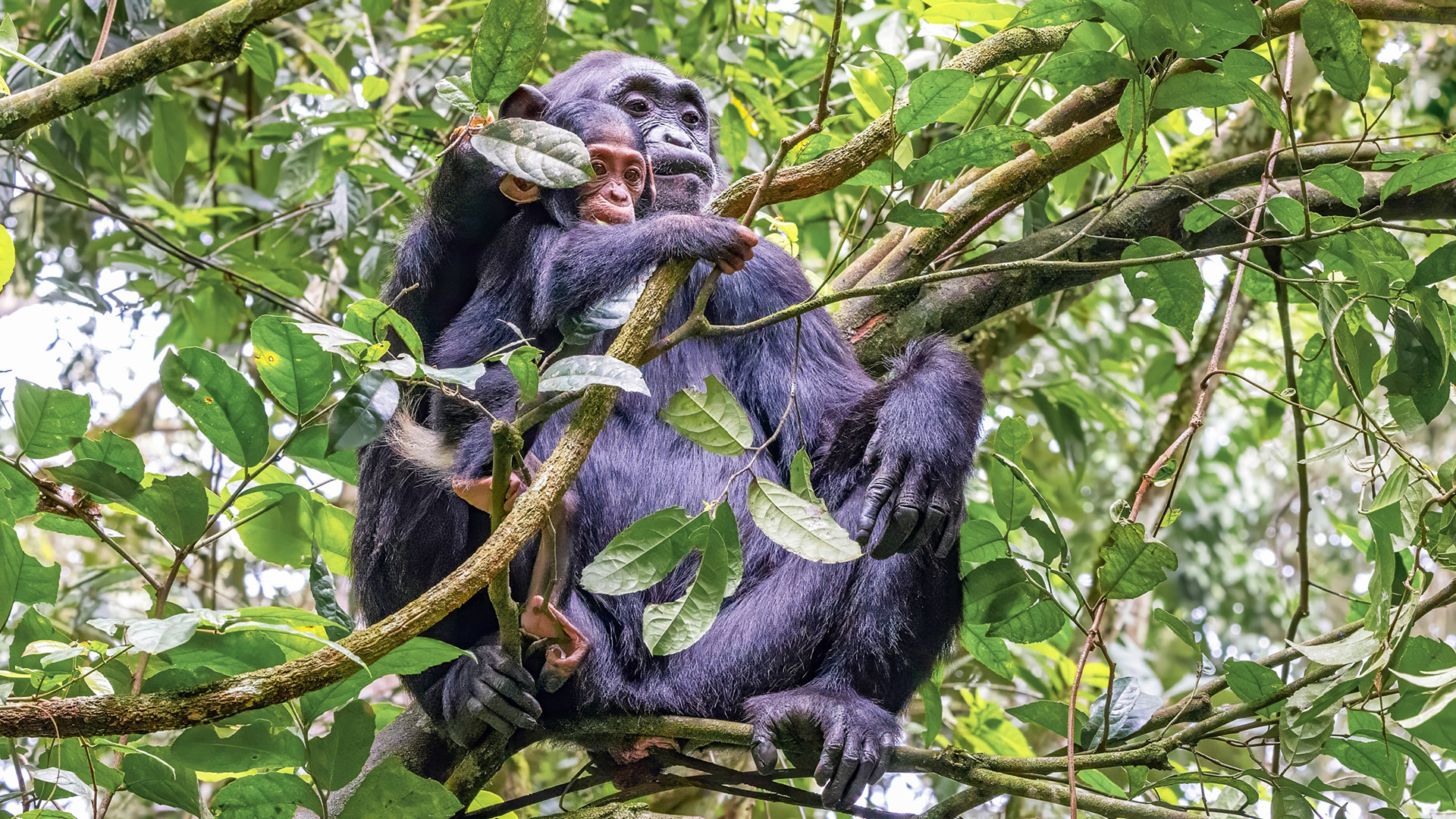
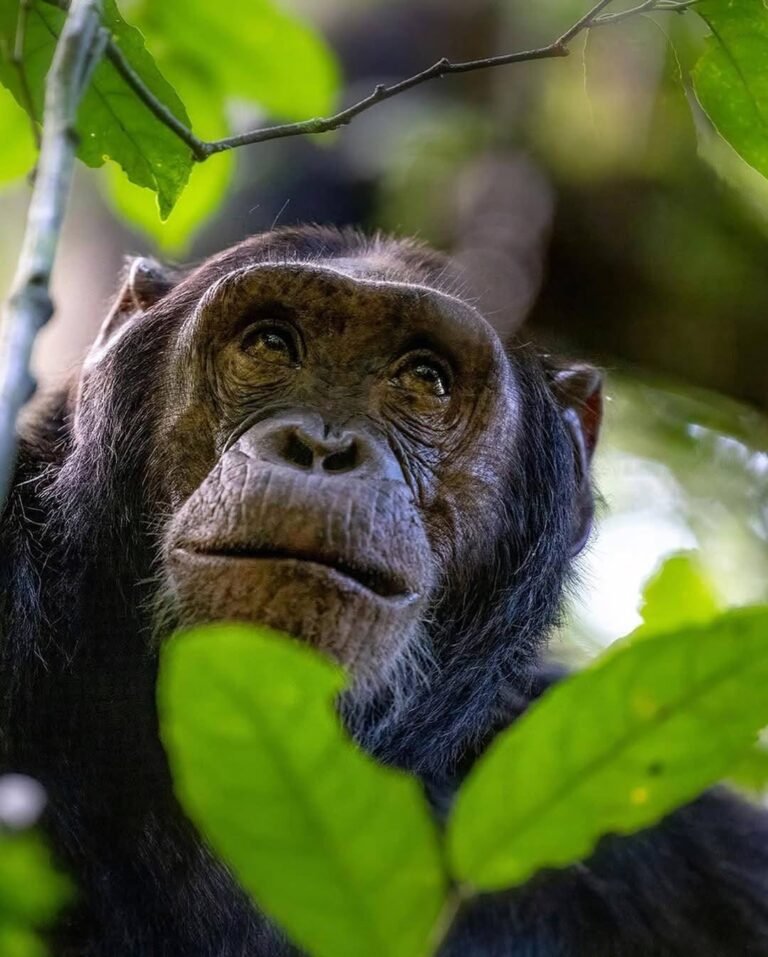
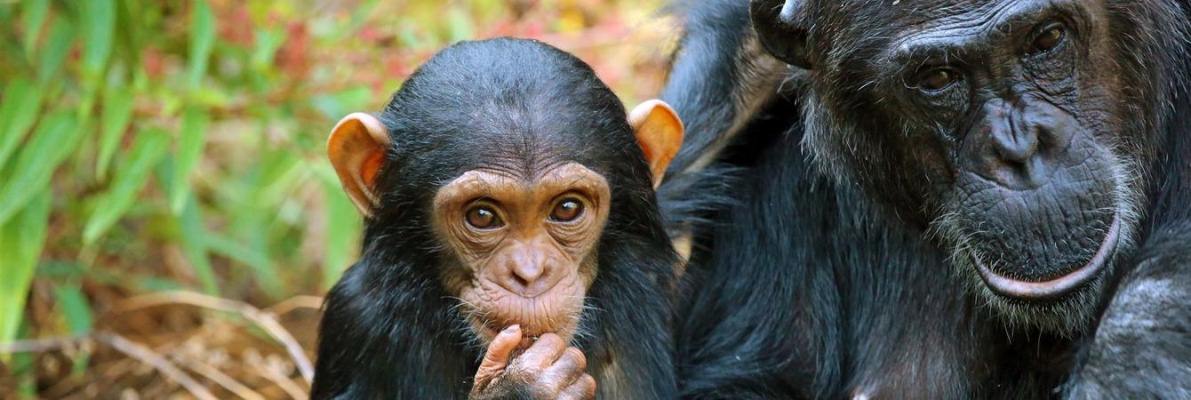
Chimpanzees are our closest living relatives, sharing approximately 98.8% of human DNA. They display remarkable intelligence, complex social structures, and sophisticated problem-solving skills. Researchers have observed chimpanzees using sticks to extract termites, stones to crack nuts, and leaves as sponges to collect drinking water.
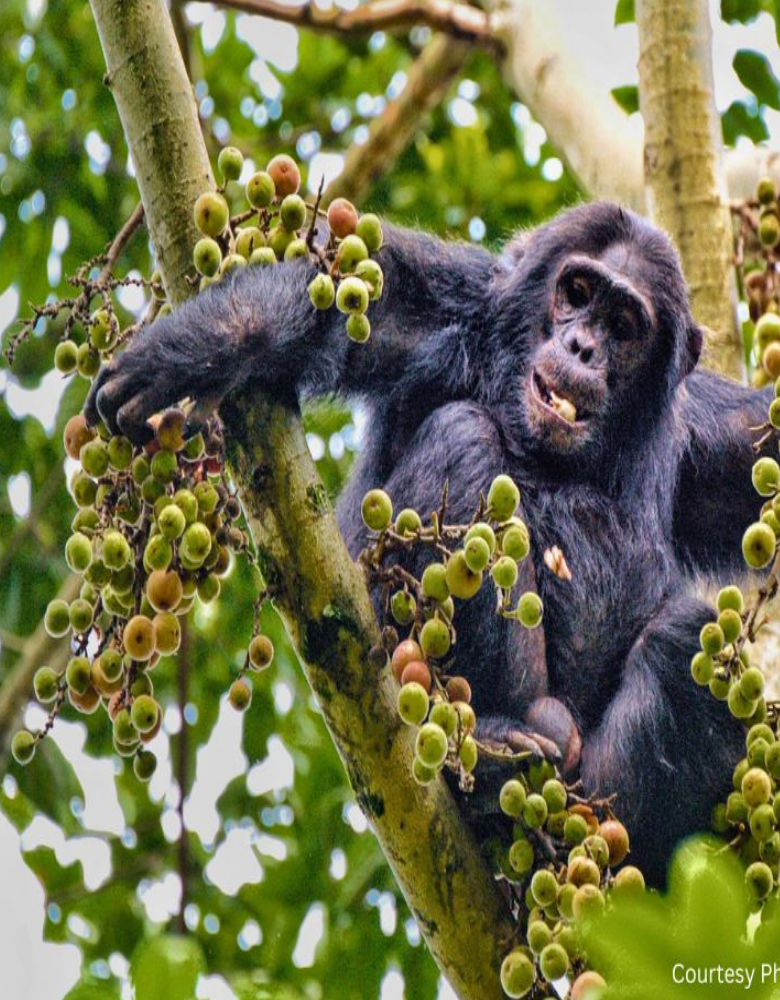
Beyond their intelligence, chimpanzees are essential to Uganda’s forests. As they feed on fruits and travel through the canopy, they disperse seeds over large areas. This natural process supports forest regeneration and helps maintain biodiversity.
“Protecting chimpanzees benefits not only wildlife but also the forests that provide clean water, regulate climate, and support countless other plant and animal species.”
Where Chimpanzees Are Protected in Uganda
Uganda has established several protected forests where chimpanzees can live and thrive.
Kibale National Park
Uganda’s premier chimpanzee destination, protecting over 1,500 individuals and 12 other primate species.
Budongo Forest Reserve
Internationally recognized for long-term research and conservation, located within Murchison Falls Conservation Area.
Kyambura Gorge
An isolated chimpanzee community living in lush tropical forest surrounded by savannah within Queen Elizabeth National Park.
Kalinzu Forest Reserve
Supports several habituated chimpanzee communities and is an important destination for tourism and research.
Bugoma Forest
Another significant chimpanzee habitat in western Uganda, with conservation programs working to reduce deforestation.
Major Threats to Chimpanzees in Uganda
Although Uganda has strong conservation programs, chimpanzees still face several challenges.
Habitat Loss
The greatest threat caused by agricultural expansion, charcoal production, illegal logging, and infrastructure development. As forests become fragmented, chimpanzee groups become isolated.
Human-Wildlife Conflict
When forests shrink, chimpanzees enter nearby farms searching for food, leading to conflicts with local communities and increasing the risk of injury.
Disease Transmission
Chimpanzees are highly vulnerable to human diseases such as influenza, COVID-19, measles, and respiratory infections. Strict health protocols are enforced during trekking.
Illegal Hunting
Although legally protected, wire snares intended for other animals can seriously injure or kill chimpanzees.
Climate Change: Changes in rainfall patterns and rising temperatures affect fruit production and alter forest ecosystems, making food less predictable for chimpanzees.
How Uganda Protects Chimpanzees
Uganda has adopted a combination of conservation strategies to safeguard chimpanzee populations.
Protected Areas
National parks and forest reserves provide secure habitats where chimpanzees are protected from hunting and large-scale habitat destruction. Managed by Uganda Wildlife Authority (UWA) and National Forestry Authority (NFA).
Scientific Research
Long-term research projects help conservationists understand chimpanzee behavior, health, genetics, and habitat requirements, informing conservation decisions.
Chimpanzee Habituation
A carefully managed process allowing wild chimpanzees to become accustomed to human presence without changing their natural behavior, supporting research and sustainable tourism.
Community Conservation
Involving nearby communities through education, employment, and alternative income sources creates incentives to protect forests rather than exploit them.
The Role of Responsible Tourism
Tourism has become one of the most effective conservation tools in Uganda.
Chimpanzee trekking permits generate revenue that supports:
Ranger Patrols
Park Management
Scientific Research
Community Development
Conservation Education
Responsible tourism also creates employment opportunities for guides, trackers, drivers, lodge staff, and local artisans. When visitors choose ethical tour operators and follow park regulations, they contribute directly to the long-term survival of chimpanzees.
Guidelines for Responsible Chimpanzee Trekking
Visitors play an important role in conservation by following these simple rules:
Recommended viewing distance
Wild chimpanzees
No trekking if ill
Avoid disturbing the animals
Flash photography prohibited
UWA guide instructions
Responsible waste disposal
Respect viewing time
These guidelines help reduce stress and minimize the risk of disease transmission.
Community Involvement in Conservation
Conservation cannot succeed without local communities.
Across western Uganda, many villages participate in programs that promote:
Sustainable Agriculture
Environmental Education
Eco-Tourism Enterprises
Beekeeping Projects
Handicraft Production
These initiatives provide alternative livelihoods while reducing pressure on forest resources. When communities benefit economically from conservation, they are more likely to protect wildlife and natural habitats.
How You Can Support Chimpanzee Conservation
Every visitor can make a positive impact by:
- Booking responsible chimpanzee trekking experiences.
- Following park regulations.
- Supporting community tourism projects.
- Purchasing locally made crafts.
- Avoiding products linked to illegal deforestation.
- Learning about wildlife conservation before your visit.
- Sharing awareness about chimpanzee protection after your safari.
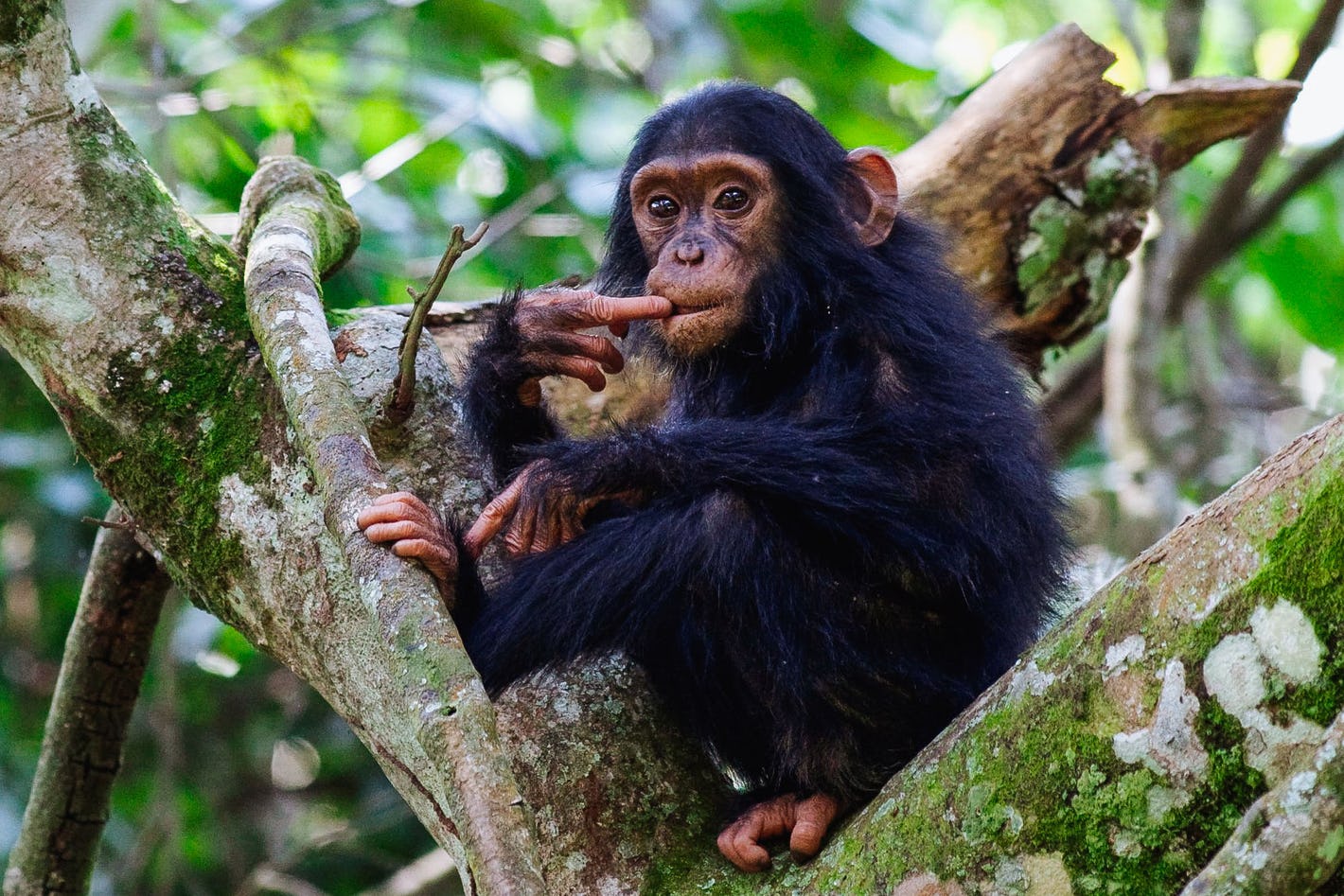
Small actions by many people can make a significant difference in protecting Uganda’s forests and wildlife.
Frequently Asked Questions
Are chimpanzees endangered in Uganda?
Yes. The eastern chimpanzee is classified as Endangered, and its population continues to face threats from habitat loss, disease, and illegal human activities.
Who is responsible for chimpanzee conservation in Uganda?
Chimpanzee conservation involves the Uganda Wildlife Authority (UWA), National Forestry Authority (NFA), conservation organizations, researchers, local communities, and responsible tourism operators.
How does tourism help conservation?
Tourism generates revenue through chimpanzee trekking permits, funding park management, ranger patrols, scientific research, conservation education, and community development.
Why must visitors stay away from chimpanzees?
Chimpanzees can catch human diseases because they share much of our genetic makeup. Maintaining a safe distance helps protect both visitors and the animals.
Can local communities benefit from conservation?
Yes. Many communities earn income through tourism, guiding, accommodation, handicrafts, conservation employment, and sustainable livelihood projects.
Conclusion
Chimpanzee conservation in Uganda is a shared responsibility that brings together government agencies, researchers, conservation organizations, local communities, and visitors. While chimpanzees continue to face challenges such as habitat loss, disease, and human encroachment, Uganda has demonstrated that well-managed protected areas, community participation, and responsible tourism can make a meaningful difference.
By choosing ethical wildlife experiences and respecting conservation guidelines, every visitor contributes to protecting one of Africa’s most intelligent and charismatic species. Conserving chimpanzees also safeguards Uganda’s forests, ensuring they continue to support biodiversity and provide essential ecological services for generations to come.
Learn More with Tarec Gorilla Safaris
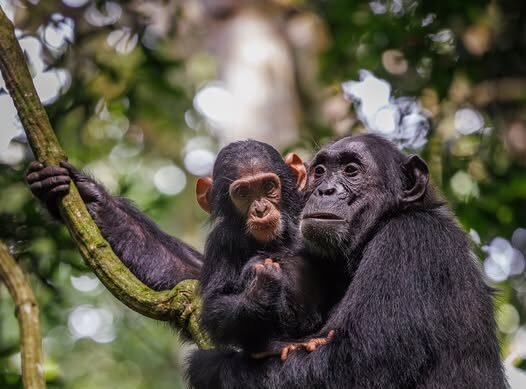
At Tarec Gorilla Safaris, we believe that every safari should contribute to wildlife conservation and community well-being. Our guided chimpanzee trekking experiences are designed to provide unforgettable encounters while promoting responsible tourism and supporting the long-term protection of Uganda’s incredible primates.
Whether you’re planning your first chimpanzee trek or combining it with gorilla trekking and a classic wildlife safari, our experienced team is here to help you explore Uganda responsibly and meaningfully.
Contact Tarec Gorilla Safaris today to start planning your responsible chimpanzee trekking adventure.