
What’s a Gorilla Family Group and How Are They Assigned?
Gorilla trekking is one of the most remarkable wildlife experiences in Africa. Before entering the forest, however, trekkers are usually assigned to a specific gorilla family group. For first-time visitors, this can raise several questions. What is a gorilla family group? How are gorilla families formed? Can you choose the family you want to visit?…
Gorilla trekking is one of the most remarkable wildlife experiences in Africa. Before entering the forest, however, trekkers are usually assigned to a specific gorilla family group.
For first-time visitors, this can raise several questions. What is a gorilla family group? How are gorilla families formed? Can you choose the family you want to visit? And why are visitors divided among different groups?
Understanding how gorilla family allocation works can help you prepare better for your trek and appreciate the conservation system behind this incredible experience.
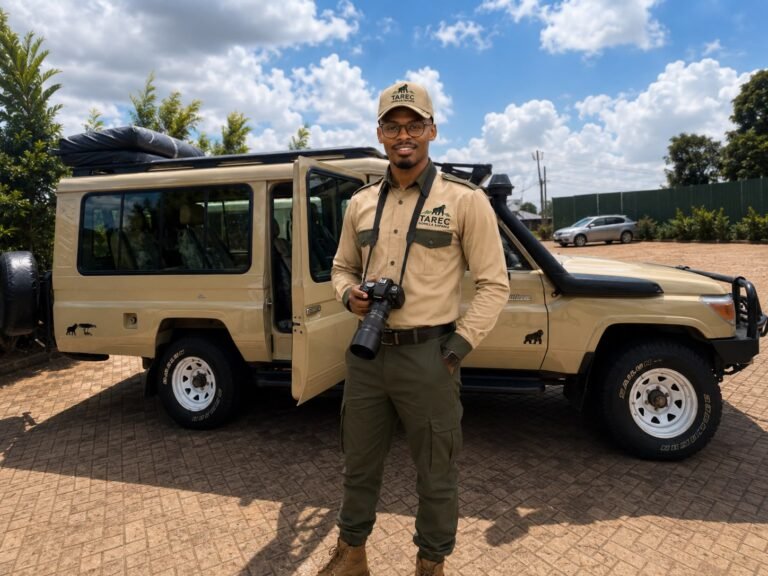
In this guide, Tarec Gorilla Safaris explains what a gorilla family group is and how tourists are assigned to gorilla families during gorilla trekking in Rwanda.
What Is a Gorilla Family Group?
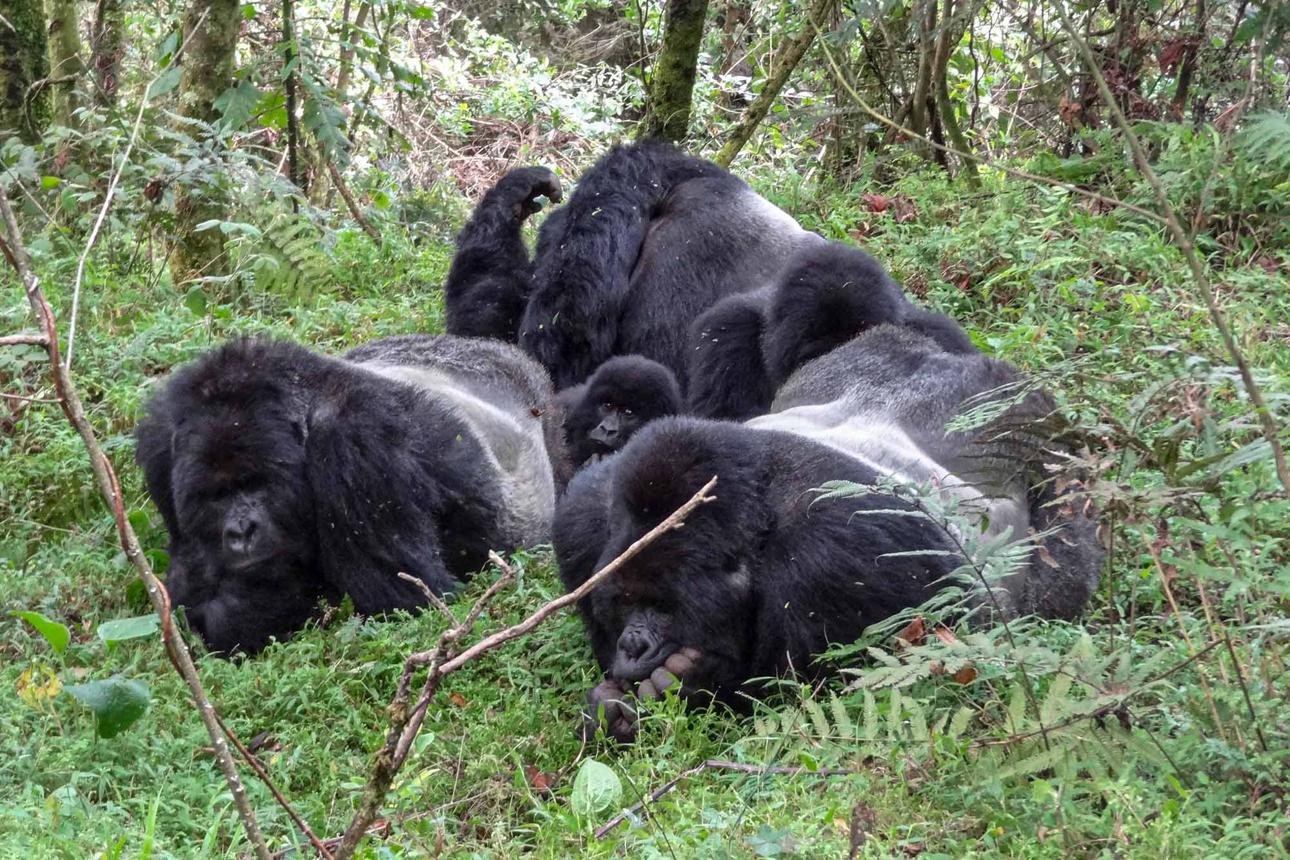
A gorilla family group is a social group of mountain gorillas that lives and moves together in the forest.
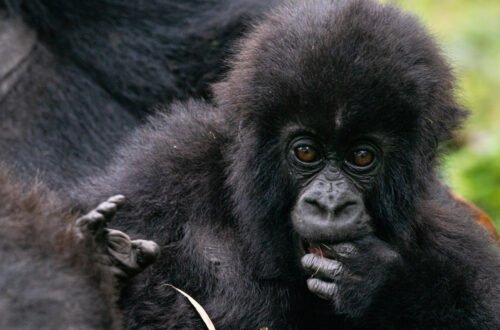
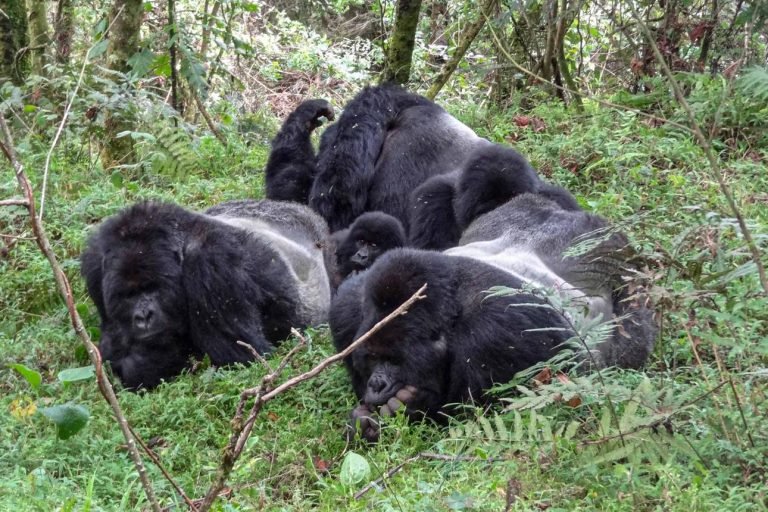
Mountain gorillas are highly social animals. They usually live in groups led by a dominant silverback. A family can also include adult females, younger males, juveniles, and infants.
Each gorilla family has its own social structure and personality. Some families may have many young gorillas, while others may contain several adult males or fewer members.
The composition of a gorilla family can also change naturally over time.
Gorilla trekking visitors are allowed to visit only selected groups that have been habituated to the presence of humans.
How Are Gorilla Families Formed?
Gorilla families form naturally through the social behavior of mountain gorillas.
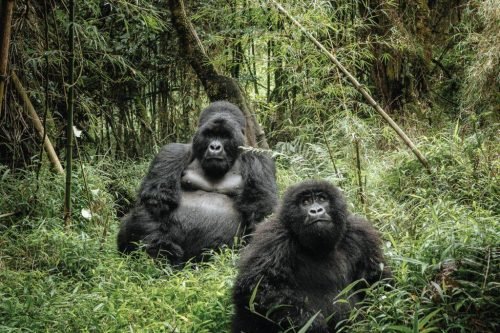
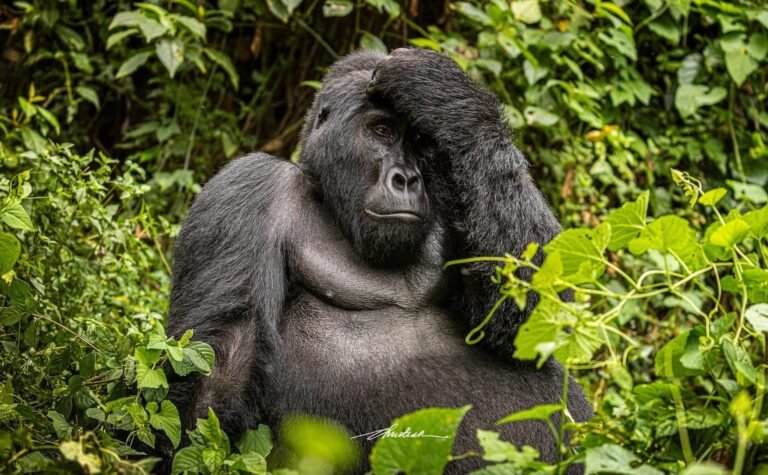
A dominant silverback usually plays an important role in leading the group. He protects the family, helps determine where the group moves, and maintains order among its members.
Females may join a group and raise their young within it. Young males can remain with their family for some time before eventually leaving and forming or joining another group.
As a result, gorilla families are not permanent.
Members can leave, new individuals can join, and young gorillas can eventually establish their own social groups.
This natural process makes every gorilla family unique.
What Does Gorilla Habituation Mean?
Before tourists are allowed to visit a gorilla family, the animals must go through a carefully managed habituation process.
Habituation involves gradually getting wild gorillas accustomed to the presence of humans.
Experienced trackers, researchers, and conservation teams spend time observing the gorillas while maintaining appropriate distances and following strict guidelines.
The purpose is not to domesticate the gorillas.
Mountain gorillas remain wild animals throughout the process. Instead, habituation helps them become comfortable with controlled human presence.
Only selected habituated gorilla families are made available for tourism.
How Are Tourists Assigned to Gorilla Families?
Gorilla family allocation is controlled by the relevant park authorities and tourism officials.
Visitors generally do not choose a particular gorilla family when they arrive at the park.
Instead, trekkers are divided into smaller groups and assigned to available habituated gorilla families.
Several factors can be considered during the allocation process.
1. Physical Fitness
The physical ability of trekkers may be considered when groups are being organized.
Some gorilla families may be found closer to the park entrance, while others may require longer and more challenging hikes.
If you have concerns about your fitness or mobility, you should inform your tour operator before the trek.
At Tarec Gorilla Safaris, we encourage travellers to communicate their needs early so that the appropriate arrangements can be considered.
2. Age
Age can also be important when planning gorilla trekking.
In Rwanda, the minimum age for gorilla trekking is 15 years.
Families travelling with teenagers should therefore check the age requirements before purchasing a gorilla trekking permit.
3. Hiking Ability
Gorilla trekking is not always an easy walk.
The terrain can include steep slopes, thick vegetation, muddy trails, uneven ground, and areas with limited paths.
For this reason, the expected difficulty of the trek may be considered when visitors are allocated to gorilla families.
However, trekking conditions can change because the gorillas move freely through the forest.
4. Group Size
The number of tourists visiting a gorilla family is strictly controlled.
This is done to minimize disturbance to the animals.
Smaller trekking groups also make it easier for guides and trackers to control visitor behavior and ensure that everyone gets an opportunity to observe the gorillas.
5. Conservation Considerations
Conservation is one of the main reasons why gorilla family allocation is carefully managed.
Mountain gorillas are vulnerable to human-related pressures, including diseases and habitat disturbance.
Limiting the number of people who visit each family helps reduce unnecessary stress and supports responsible tourism.
Can You Choose a Gorilla Family?
Many visitors ask whether they can choose the gorilla family they want to trek.
Generally, you cannot guarantee a specific gorilla family.
You may communicate your preferences to your tour operator, particularly if you have special circumstances. However, final allocation is handled by the relevant park authorities.
This system is important because gorillas are wild animals.
Their movements cannot be predicted with complete accuracy. A family that was in one location on one day may move considerably by the next day.
Therefore, the goal should not simply be to find a particular family. The real reward is being able to observe mountain gorillas in their natural environment.
Why Are Visitors Divided Among Different Gorilla Families?
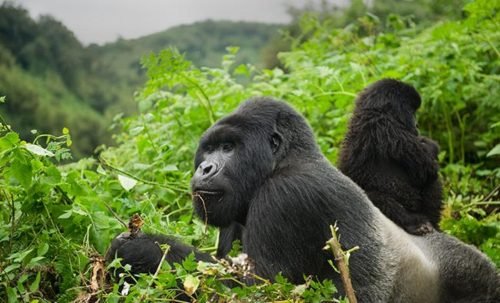
Dividing tourists among different gorilla families helps protect the animals.
Imagine hundreds of visitors gathering around one gorilla family every day. Such pressure could create unnecessary disturbance.
Instead, tourism is carefully organized so that different groups of visitors can be distributed among available habituated families.
This allows the gorillas to continue their natural activities with limited human interference.
It also gives visitors a quieter and more meaningful wildlife experience.
What Happens Before You Start the Trek?
Your gorilla trekking experience normally begins with a briefing.
Park staff explain the rules and safety guidelines that must be followed during the trek.
Visitors are then organized into trekking groups.
After allocation, guides and trackers lead each group into the forest.
The trackers use their knowledge of the gorillas and information about their recent movements to locate the assigned family.
The search can take different amounts of time depending on where the gorillas are located.
Can the Gorilla Family Move During Your Trek?
Yes.
Mountain gorillas are wild animals, and they are free to move through the forest.
The trackers therefore have to follow their movements.
This means your trekking route may change during the day.
Sometimes the gorillas may be found after a relatively short hike. On other occasions, visitors may need to walk for several hours through challenging terrain.
This unpredictability is part of the adventure.
What Happens When You Find the Gorilla Family?
Finding the gorillas is often the most exciting moment of the trek.
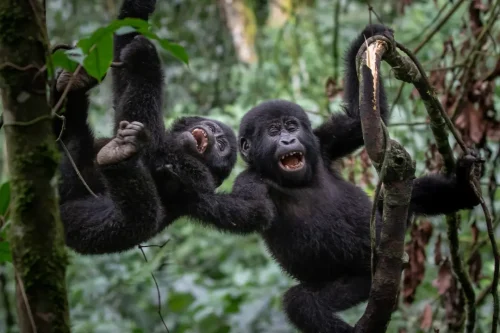
You may see the family feeding, resting, grooming, playing, climbing vegetation, or caring for young ones.
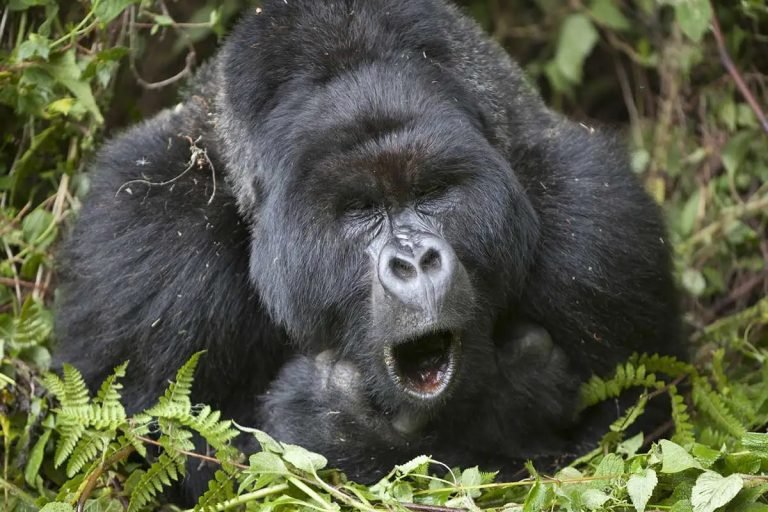
The silverback may be nearby while other members of the family go about their daily activities.
Visitors are expected to remain calm and follow the instructions of their guides and trackers.
You should avoid shouting, sudden movements, or attempting to attract the attention of the gorillas.
Remember that you are a guest in their natural environment.
Are All Gorilla Families the Same?
No.
Every gorilla family has its own characteristics.
One family may have several playful juveniles, while another may have many adult females and infants.
Some families may be relatively large, while others may contain fewer members.
The personalities of individual gorillas can also vary.
You might encounter a curious young gorilla, a relaxed silverback, or a mother carefully caring for her infant.
This variety is one reason why every gorilla trekking experience can be different.
How Long Can You Stay With the Gorillas?
The time spent observing a gorilla family is regulated by conservation authorities.
Visitors are given a limited period to observe the gorillas.
This helps prevent prolonged human disturbance and ensures that tourism remains sustainable.
During this time, your guide will help you understand the behavior of the gorillas and explain what you are seeing.
It is therefore important to listen carefully and follow all instructions.
Why Gorilla Family Allocation Is Important
Gorilla family allocation is not simply about organizing tourists.
It is an important part of responsible gorilla tourism.
By controlling visitor numbers and distributing tourists among habituated groups, authorities can reduce pressure on the gorillas.
At the same time, gorilla tourism generates revenue that supports conservation and provides economic opportunities for communities around protected areas.
Responsible tourism can therefore contribute to the long-term survival of mountain gorillas.
Tips for Your Gorilla Family Trek
Before your trek, consider the following tips:
- Wear comfortable hiking shoes with good grip.
- Carry waterproof clothing because forest weather can change quickly.
- Bring drinking water and light snacks.
- Use insect repellent where appropriate.
- Follow your guide’s instructions at all times.
- Avoid loud noises around the gorillas.
- Do not attempt to touch the gorillas.
- Maintain the required distance from the animals.
- Avoid using flash photography.
- Prepare yourself for steep and muddy terrain.
- Be patient because the gorillas may take time to locate.
Most importantly, approach the trek with respect for the animals and their habitat.
Frequently Asked Questions
What is a gorilla family group?
A gorilla family group is a social group of mountain gorillas that lives and travels together. It normally includes a dominant silverback, females, juveniles, infants, and sometimes younger males.
Who assigns tourists to gorilla families?
Gorilla family allocation is handled by the relevant park authorities and tourism officials.
Can I choose my gorilla family?
A specific gorilla family generally cannot be guaranteed. Allocation depends on the arrangements made by park authorities and the circumstances of the trek.
How many people can visit a gorilla family?
Visitor numbers are restricted to reduce disturbance to the gorillas and support responsible tourism.
Are gorilla families always in the same location?
No. Mountain gorillas move through the forest, so their location can change from day to day.
How difficult is gorilla trekking?
The difficulty varies. Some treks are relatively short, while others can involve several hours of hiking through steep, muddy, and dense forest terrain.
What age is required for gorilla trekking in Rwanda?
The minimum age for gorilla trekking in Rwanda is 15 years.
Inconclusion therefore
A gorilla family group is much more than a group of animals brought together for tourism. It is a natural social community with its own relationships, hierarchy, movements, and individual personalities.
Tourists are assigned to habituated gorilla families through a carefully controlled allocation system. Factors such as fitness, age, group size, gorilla location, and conservation considerations may influence the arrangements.
Although you may not be able to choose a particular gorilla family, every encounter offers something unique.
The thrill of walking through the rainforest, following experienced trackers, and finally coming face-to-face with a mountain gorilla is an experience that is difficult to describe until you have experienced it yourself.
Plan Your Gorilla Trek with Tarec Gorilla Safaris
At Tarec Gorilla Safaris, we help travellers plan unforgettable gorilla trekking experiences in Rwanda and Uganda.
From gorilla trekking permits and transportation to accommodation and customized safari packages, our team can help you organize your journey from start to finish.
Whether you are planning your first gorilla trek, travelling as a couple, joining a family safari, or looking for a private gorilla adventure, we can help you create an itinerary that suits your travel plans.
Contact Tarec Gorilla Safaris today and start planning your mountain gorilla adventure.
Gameh88, I’ve popped in here a few times. Selection is pretty standard. Nothing really stands out, but also nothing too terrible. Good for a quick gamble when you’re bored. Feel free to have a look: gameh88