Masai Mara National Reserve
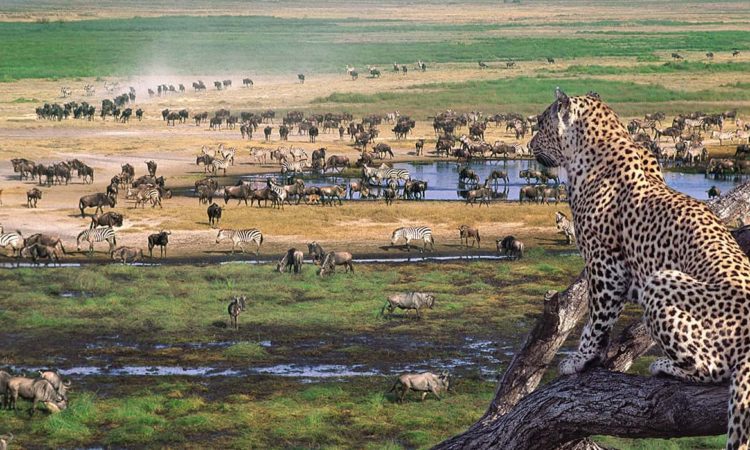
The Masai Mara National Reserve is one of Africa’s most famous safari destinations and a dream location for wildlife lovers from around the world. Located in southwestern Kenya along the border with Tanzania’s Serengeti National Park, the reserve is renowned for its incredible wildlife, breathtaking landscapes, and the spectacular Great Wildebeest Migration. Every year, thousands…
The Masai Mara National Reserve is one of Africa’s most famous safari destinations and a dream location for wildlife lovers from around the world. Located in southwestern Kenya along the border with Tanzania’s Serengeti National Park, the reserve is renowned for its incredible wildlife, breathtaking landscapes, and the spectacular Great Wildebeest Migration.
Every year, thousands of travelers visit the Masai Mara National Reserve to witness one of nature’s greatest spectacles while enjoying unforgettable game drives across its endless golden savannahs.
At Tarec Gorilla Safaris, we combine Kenya’s iconic wildlife experiences with gorilla trekking adventures in Uganda and Rwanda, allowing visitors to experience the very best of East Africa in one seamless safari.
Where is Masai Mara National Reserve Located?
The Masai Mara National Reserve lies in Narok County, southwestern Kenya, approximately 270 kilometers (168 miles) from Nairobi. It borders Tanzania’s world-famous Serengeti National Park, creating one of Africa’s largest protected wildlife ecosystems.
The reserve covers approximately 1,510 square kilometers (583 square miles) of open grasslands, acacia woodlands, riverine forests, and rolling hills. Its name originates from the Maasai people, the traditional inhabitants of the area. The word “Mara” means spotted in the Maa language, referring to the scattered acacia trees, shrubs, and shadows that dot the landscape.
Because wildlife moves freely between the Serengeti and the Masai Mara, the ecosystem supports one of the highest concentrations of wild animals anywhere in Africa.
History of Masai Mara National Reserve
The reserve was first established in 1961 as a small wildlife sanctuary covering about 520 square kilometers. Later that year, its boundaries were expanded significantly to protect more wildlife habitat.
Over the following decades, portions of land were returned to local Maasai communities, and the reserve eventually reached its present size of approximately 1,510 square kilometers. Today, it is managed in partnership with county authorities and neighboring community conservancies that play a vital role in wildlife conservation and sustainable tourism.
Thanks to these conservation efforts, the Masai Mara National Reserve remains one of Africa’s most successful protected areas and continues to attract visitors from across the globe.
Why is Masai Mara National Reserve So Famous?
The Masai Mara National Reserve has earned international recognition for several reasons.
Firstly, it hosts the Great Wildebeest Migration, often described as the greatest wildlife show on Earth.
Secondly, the reserve offers exceptional opportunities to see Africa’s famous Big Five wildlife species in a single safari.
Additionally, the stunning scenery, luxury safari lodges, authentic Maasai cultural experiences, and year-round game viewing make the reserve one of Kenya’s top tourist attractions.
Whether you are visiting for photography, family holidays, honeymoon safaris, or luxury wildlife adventures, the Masai Mara delivers unforgettable experiences.
The Great Wildebeest Migration
One of the biggest reasons travelers visit the Masai Mara National Reserve is to witness the annual Great Wildebeest Migration.
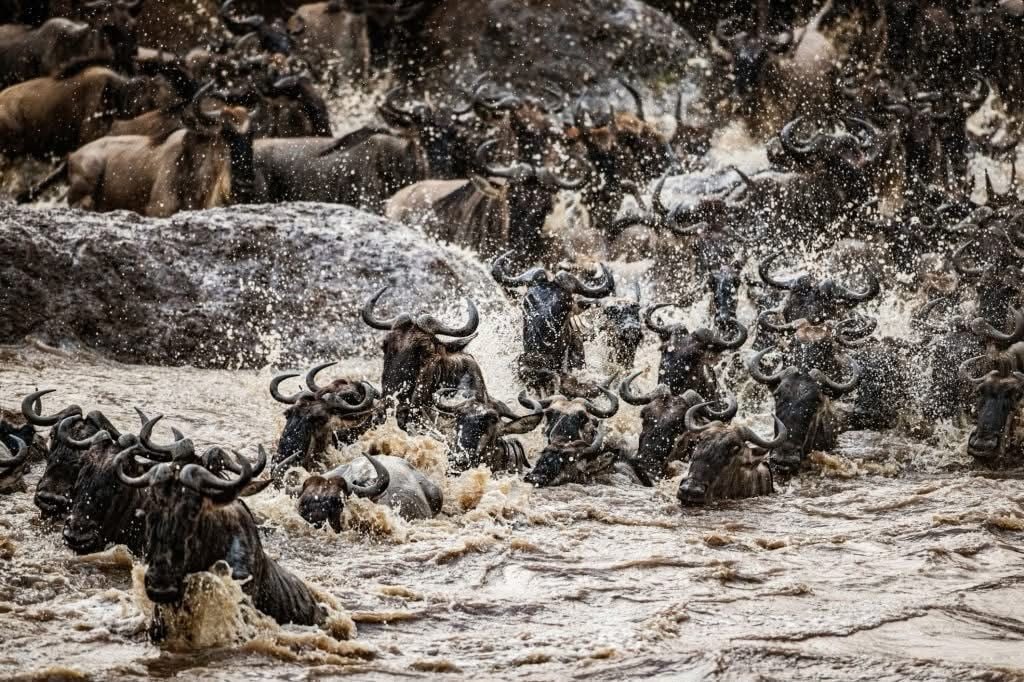
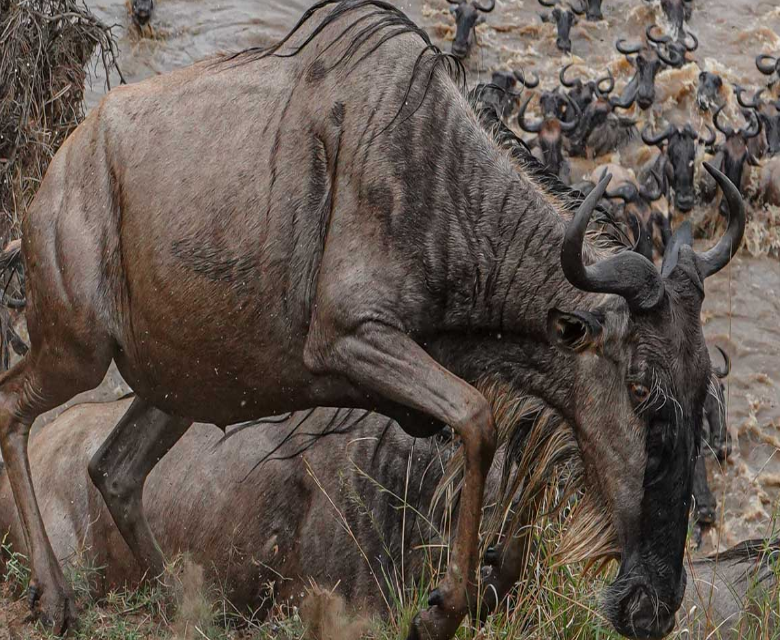
Each year, between July and October, more than 1.5 million wildebeest, accompanied by hundreds of thousands of zebras and gazelles, cross from Tanzania’s Serengeti into Kenya in search of fresh grazing.
Perhaps the most dramatic moment occurs at the Mara River.
Here, enormous herds plunge into crocodile-filled waters while predators wait on both sides of the river. Nile crocodiles, lions, cheetahs, leopards, and hyenas take advantage of this dangerous crossing, creating one of the world’s greatest wildlife spectacles.
Because the migration follows seasonal rainfall, the exact timing may vary slightly from year to year.
Wildlife in Masai Mara National Reserve
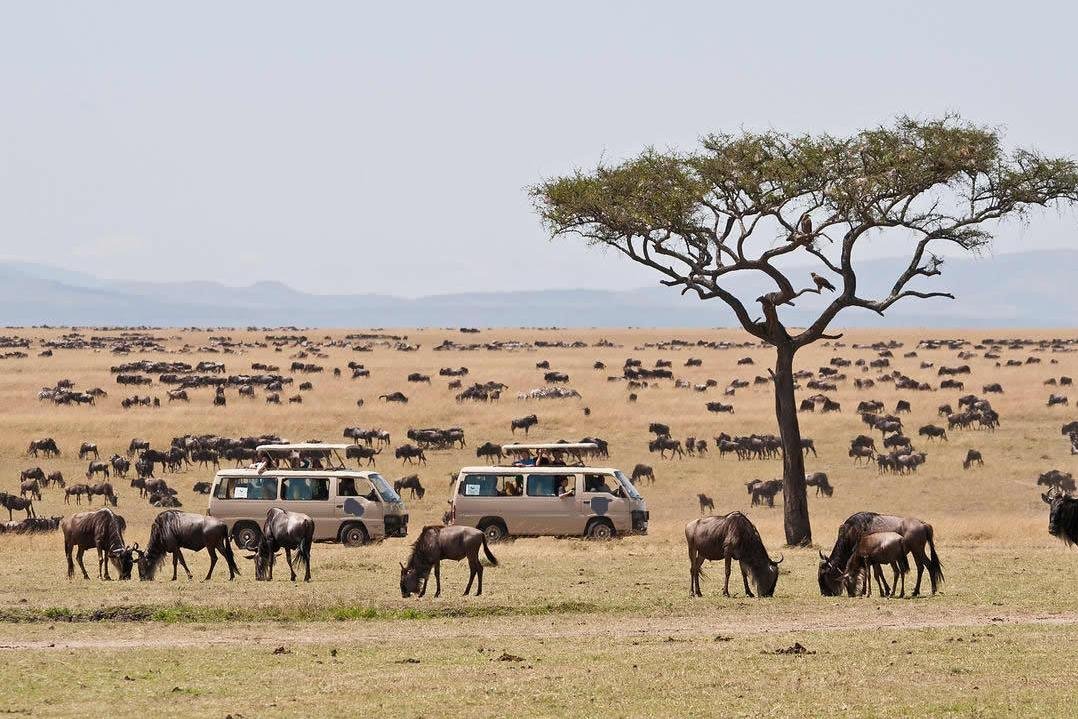
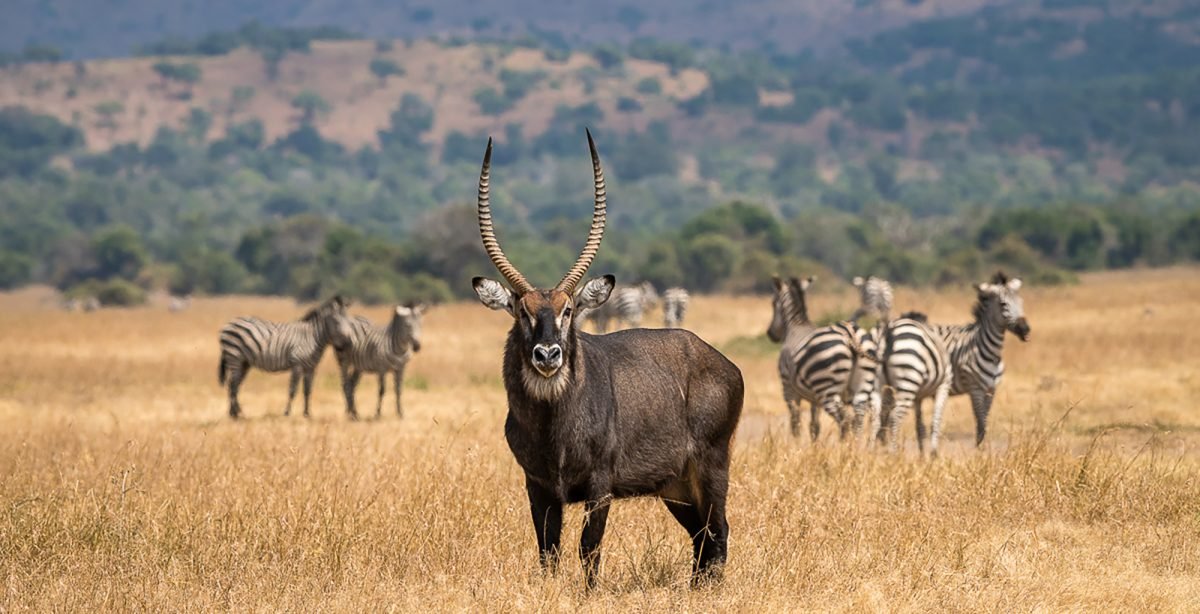
The reserve supports an astonishing diversity of wildlife.
Visitors commonly encounter:
- African elephants
- African lions
- Leopards
- Cheetahs
- Cape buffaloes
- Black rhinos
- Masai giraffes
- Hippos
- Nile crocodiles
- Spotted hyenas
- Jackals
- Topis
- Impalas
- Elands
- Warthogs
- Zebras
- Wildebeests
Additionally, over 470 bird species have been recorded within the reserve, making it an outstanding destination for birdwatchers.
Live examples frequently seen during game drives include:
- The famous Marsh Pride of lions hunting across the open plains.
- Cheetahs using termite mounds as lookout points before chasing Thomson’s gazelles.
- Large elephant herds feeding along the Talek River.
- Hippos and Nile crocodiles gathering in the Mara River throughout the year.
Top Things to Do in Masai Mara National Reserve
Game Drives
Morning and evening game drives provide the best opportunities to observe wildlife in their natural habitat. Professional guides help visitors locate predators, elephants, rhinos, and other remarkable animals.
Witness the Great Migration
Watching thousands of wildebeests cross the Mara River is undoubtedly one of Africa’s greatest wildlife experiences.
Hot Air Balloon Safari
A sunrise balloon safari offers spectacular aerial views of the endless plains before concluding with a champagne breakfast in the bush.
Maasai Cultural Visits
Guests can visit traditional Maasai villages to learn about local customs, dances, beadwork, and pastoral traditions that have been preserved for generations.
Bird Watching
Bird enthusiasts can spot species such as secretary birds, martial eagles, lilac-breasted rollers, ostriches, vultures, crowned cranes, and many more.
Nature Photography
The reserve’s golden light, dramatic wildlife encounters, and beautiful landscapes make it one of the finest safari photography destinations in Africa.
Best Time to Visit Masai Mara National Reserve
Although the reserve can be visited throughout the year, different seasons offer unique experiences.
July to October
This period is considered the best time to witness the Great Wildebeest Migration and dramatic river crossings.
December to March
Dry weather makes wildlife easier to spot as animals gather around permanent water sources.
April to June
Fewer tourists visit during the rainy season, offering quieter safaris, lush green scenery, and attractive accommodation discounts.
Where to Stay in Masai Mara National Reserve
The reserve offers accommodation for every travel style and budget.
Luxury options include elegant tented camps and safari lodges overlooking rivers and wildlife-rich plains.
Mid-range camps provide comfortable rooms with excellent game-viewing opportunities.
Budget camps offer affordable accommodation while maintaining authentic safari experiences.
At Tarec Gorilla Safaris, we carefully select accommodations based on comfort, location, service quality, and guest preferences.
Combining Masai Mara with Gorilla Trekking
One of the most popular East African safari combinations includes Kenya’s wildlife and Uganda or Rwanda’s mountain gorillas.
Popular itineraries include:
- 10-Day Kenya and Uganda Safari
- 12-Day Masai Mara and Gorilla Trekking Safari
- 14-Day Kenya, Uganda, and Rwanda Adventure
- Great Migration and Bwindi Gorilla Trekking Experience
- Masai Mara, Serengeti, and Volcanoes National Park Safari
This combination allows travelers to witness both the Great Migration and an unforgettable gorilla encounter within a single holiday.
Conservation in Masai Mara
Wildlife conservation is supported through tourism revenue, anti-poaching patrols, scientific research, and partnerships with local Maasai communities.
Community conservancies surrounding the reserve have helped expand wildlife habitats while creating employment opportunities for local families.
Visitors who choose responsible safari operators such as Tarec Gorilla Safaris contribute directly to protecting Kenya’s incredible biodiversity for future generations.
Why Choose Tarec Gorilla Safaris?
At Tarec Gorilla Safaris, every safari is carefully designed to provide exceptional wildlife experiences across East Africa.
Our guests enjoy:
- Customized Kenya safari itineraries
- Professional safari guides
- Comfortable 4×4 safari vehicles
- Carefully selected accommodations
- Great Migration safaris
- Gorilla trekking in Uganda and Rwanda
- Airport transfers
- 24-hour travel support
- Responsible tourism practices
Whether you are planning your first African safari or returning for another adventure, our experienced team ensures every detail is professionally handled.
Frequently Asked Questions
How many days are recommended for Masai Mara?
Three to four days are ideal for enjoying multiple game drives and increasing your chances of witnessing exceptional wildlife sightings.
Can the Big Five be seen?
Yes. Lions, leopards, elephants, buffaloes, and black rhinos can all be found within the Masai Mara National Reserve.
When does the Great Migration occur?
The migration is generally experienced between July and October, although exact dates depend on seasonal rainfall.
Can Masai Mara be combined with gorilla trekking?
Absolutely. Many travelers combine Kenya’s Masai Mara with gorilla trekking in Uganda’s Bwindi Impenetrable National Park or Rwanda’s Volcanoes National Park.
Is Masai Mara suitable for families?
Yes. Family-friendly lodges, experienced guides, and exciting wildlife encounters make it one of Africa’s best safari destinations for travelers of all ages.