10 Facts About Gorilla Trekking in Rwanda You Should Know
If you are planning a trip to Rwanda, gorilla trekking in Rwanda is an experience that deserves a place at the top of your travel list. The adventure takes you into the forests of Volcanoes National Park, where mountain gorillas can be observed in their natural habitat. However, before booking your safari, there are several…
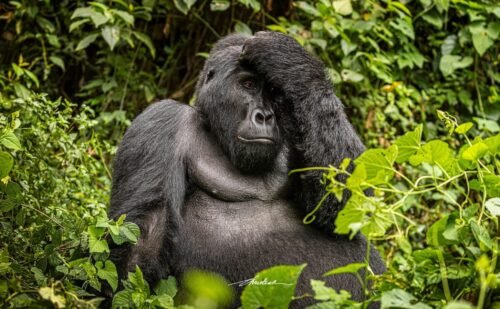
If you are planning a trip to Rwanda, gorilla trekking in Rwanda is an experience that deserves a place at the top of your travel list. The adventure takes you into the forests of Volcanoes National Park, where mountain gorillas can be observed in their natural habitat.
However, before booking your safari, there are several important things you should know. From gorilla trekking permits and age requirements to the physical demands of the hike, being prepared can make your experience more enjoyable.
In this guide, Tarec Gorilla Safaris shares 10 important facts about gorilla trekking in Rwanda that every traveler should know before visiting Volcanoes National Park.
1. Gorilla Trekking Takes Place in Volcanoes National Park
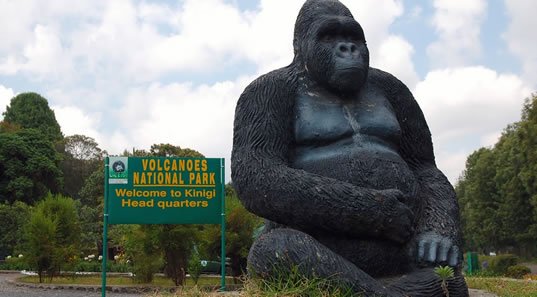
The first fact to know is that Rwanda’s mountain gorilla trekking takes place in Volcanoes National Park in the country’s northern region.
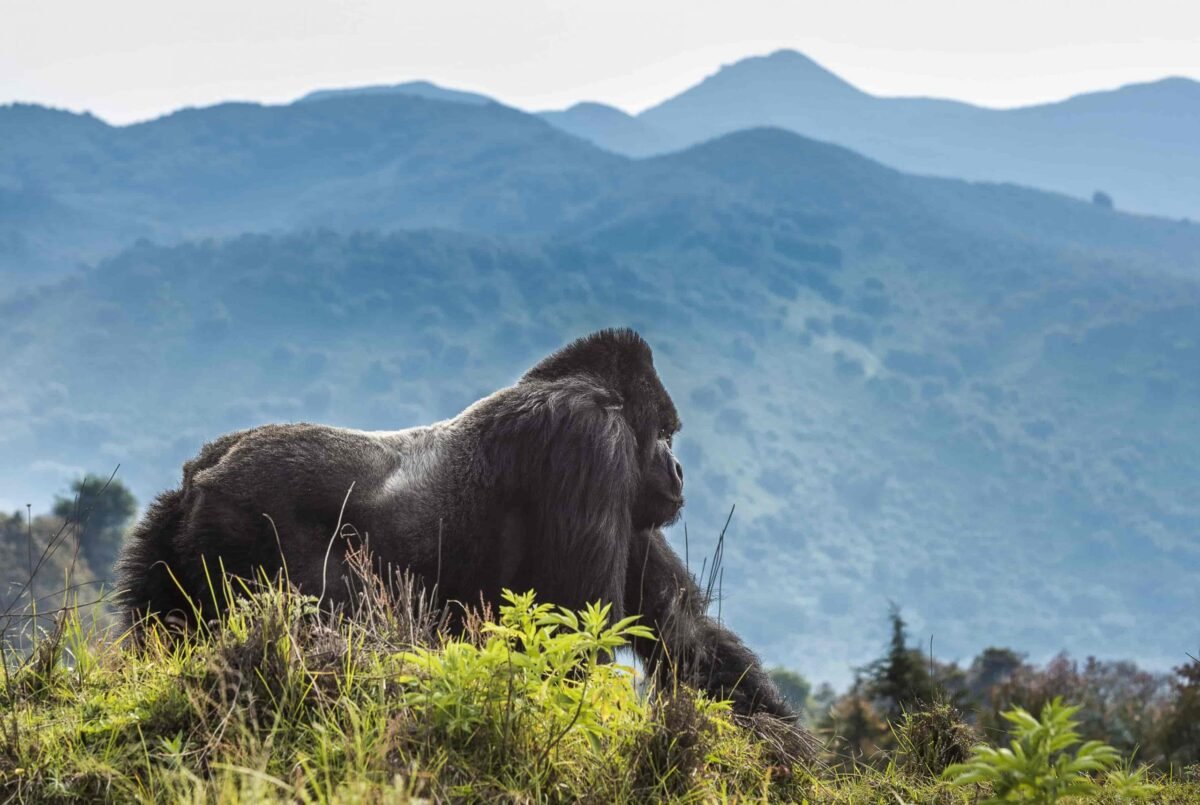
The park forms part of the Virunga volcanic ecosystem, which stretches across Rwanda, Uganda, and the Democratic Republic of Congo.
Volcanoes National Park is famous for its mountain gorillas, but the area also offers spectacular volcanic landscapes and hiking opportunities.
The Virunga Massif contains several volcanoes, with elevations reaching more than 4,500 meters. Therefore, visitors should be prepared for mountainous terrain during their gorilla trekking experience.
2. You Must Have a Gorilla Trekking Permit
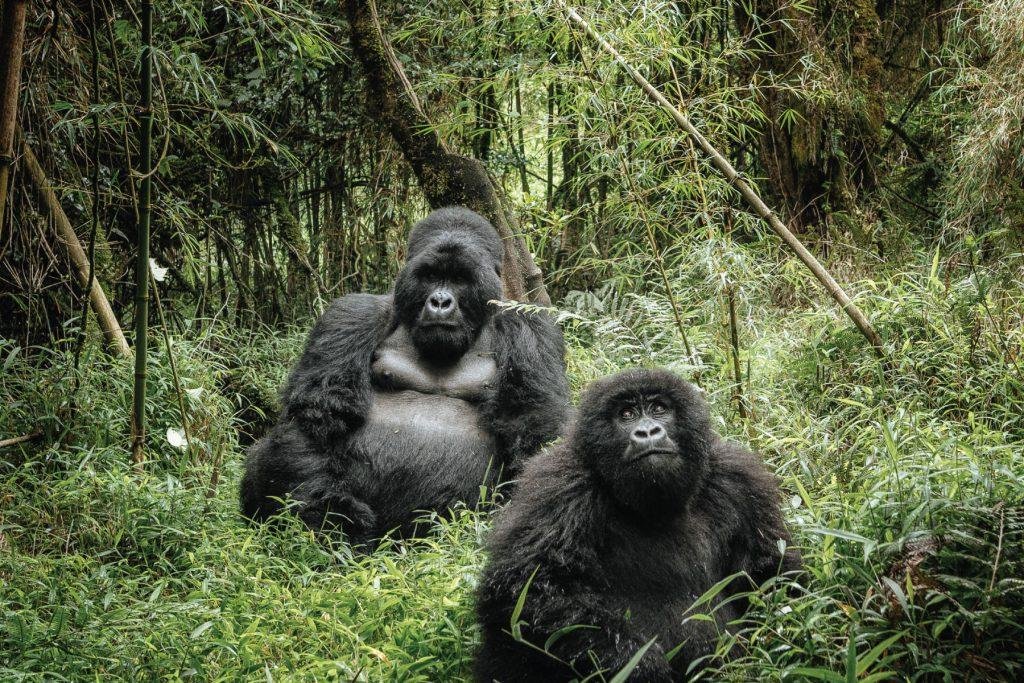
A gorilla trekking permit is required before you can participate in the experience.
For international visitors, Rwanda’s current listed gorilla trekking permit price is US$1,500 per person per day. Special rates may apply to eligible Rwandan and East African Community citizens and residents.
Because permits are limited, booking in advance is strongly recommended.
At Tarec Gorilla Safaris, the permit can be arranged as part of your complete Rwanda gorilla safari package, making the planning process easier.
3. Gorilla Trekking Has a Minimum Age of 15
Gorilla trekking in Rwanda is not available to children below the required minimum age.
The official minimum age for gorilla tracking is 15 years.
Families traveling with younger children can therefore consider other activities in Rwanda, while travelers aged 15 and above can participate when all other requirements have been met.
If you are planning a family safari, it is important to confirm the current regulations before making your booking.
4. You May Walk for Several Hours
One of the most important things to understand about gorilla trekking in Rwanda is that it is a genuine hiking experience.
The gorillas are not kept in an enclosure. They live freely in the forest and move naturally within their habitat.
As a result, the amount of walking required cannot always be predicted in advance.
Some groups may be located relatively close to the starting point, while others may require a longer hike.
The terrain can also include steep slopes, uneven ground, dense vegetation, and muddy sections.
For this reason, travelers should have a reasonable level of fitness and should wear appropriate hiking equipment.
5. Your Gorilla Family Is Assigned on the Day
Travelers do not simply choose any gorilla family they want to visit.
At the park headquarters in Kinigi, visitors are briefed and allocated to a gorilla group. Rwanda’s tourism authorities state that allocation is influenced by factors including fitness levels.
This system helps make the trekking experience safer and more manageable.
Therefore, it is important to communicate your fitness level and any mobility concerns to your safari operator before the trek.
6. You Spend a Limited Time With the Gorillas
The gorilla encounter is carefully regulated to protect both visitors and the animals.
According to Visit Rwanda, each habituated gorilla group has contact with tourists for a strict maximum of one hour per day, while the number of visitors is limited.
This means that your time with the gorillas is valuable.
Once the gorilla family has been located, you should follow the instructions of the guides and trackers and use the opportunity to observe their behavior respectfully.
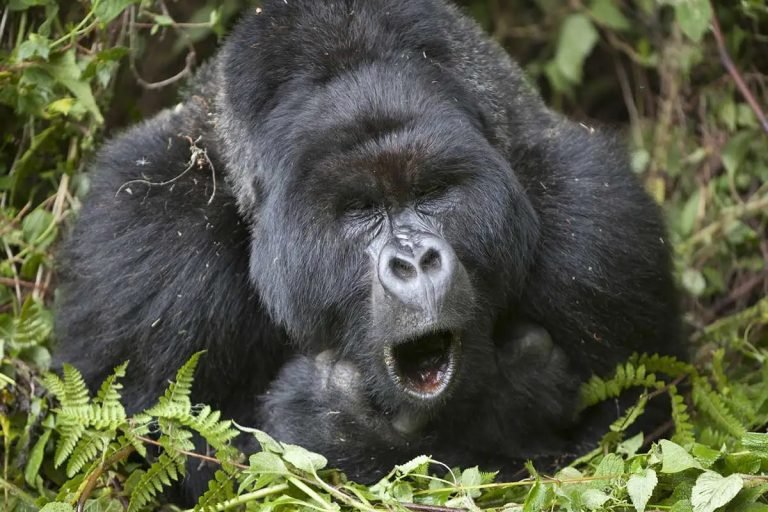
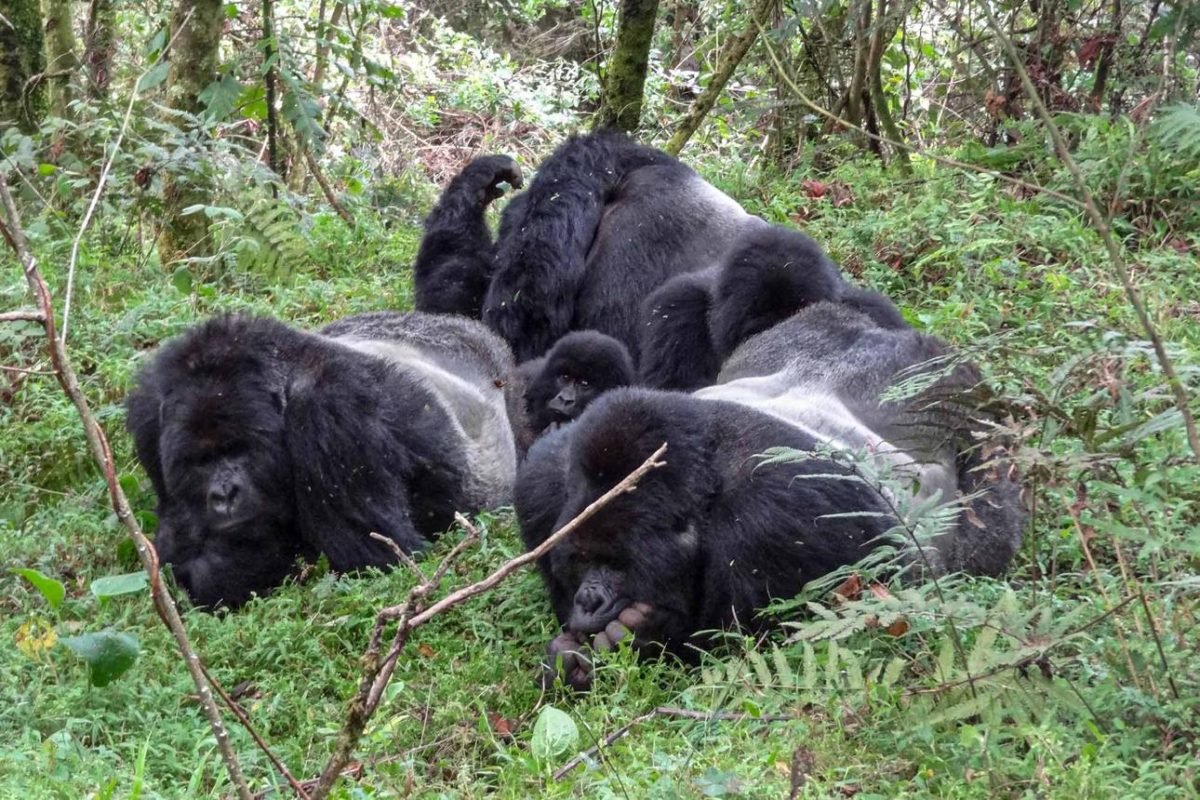
You may see gorillas feeding, resting, grooming, playing, or interacting with other members of their group.
7. Gorillas Are Highly Social Animals
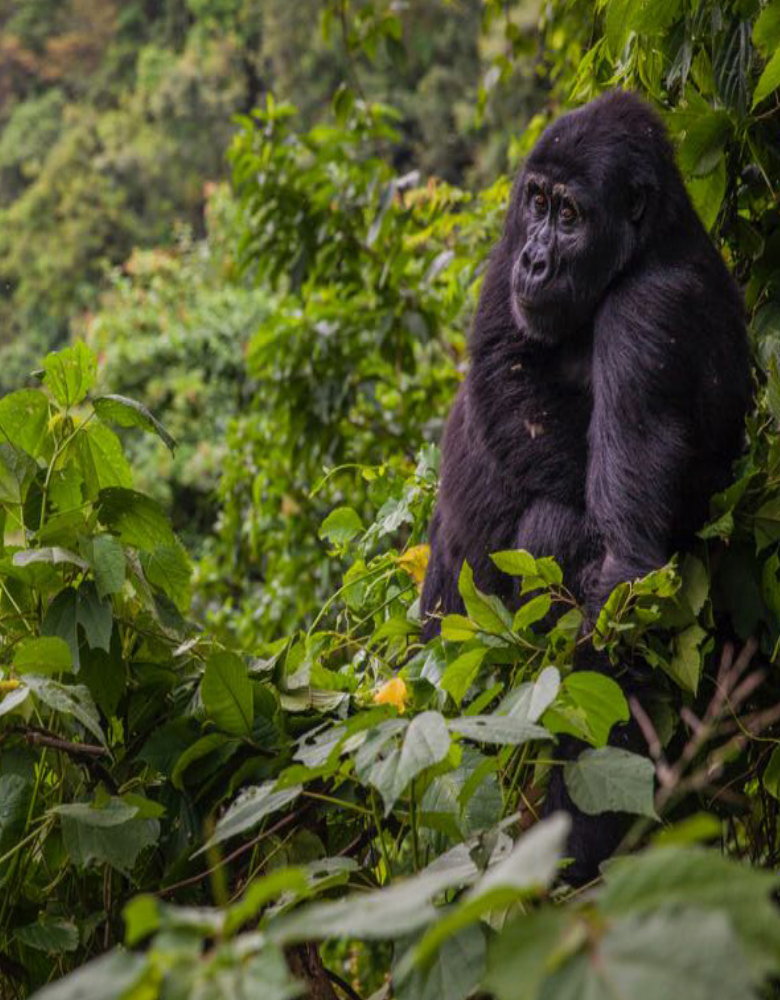
Mountain gorillas live in social groups that can contain several individuals.
A group will generally include a dominant silverback, females, juveniles, and younger gorillas.
The silverback plays an important role in protecting and leading the family.
Because gorillas are social animals, watching their interactions can be one of the most fascinating parts of the trekking experience.
You may observe communication, grooming, feeding, and playful behavior while the family goes about its daily life.
8. Mountain Gorillas Are Endangered and Conservation Is Essential
Mountain gorilla trekking is not simply a tourism activity.
It is closely connected to conservation.
Mountain gorillas remain an endangered species, although their population has increased significantly because of long-term conservation efforts. Visit Rwanda currently describes the wild population as more than 1,000 individuals and notes that mountain gorillas are the only great ape species currently increasing in number.
Tourism revenue also contributes to conservation and communities living around protected areas.
Therefore, when you book a responsible gorilla safari, your visit can contribute to the continued protection of gorillas and their habitat.
9. Proper Clothing Is Extremely Important
The forest environment can be wet, muddy, steep, and covered by thick vegetation.
Therefore, what you wear can make a significant difference.
Travelers should consider packing:
- Strong hiking boots
- Long hiking trousers
- Long-sleeved shirts
- Waterproof jacket
- Gardening or hiking gloves
- Comfortable socks
- Hat
- Insect repellent
- Small backpack
- Reusable water bottle
Visit Rwanda specifically recommends sturdy walking shoes and protective clothing because stinging nettles may be encountered during trekking. A lightweight waterproof jacket is also recommended because rain can occur.
10. Gorilla Trekking Supports Conservation and Local Communities
One of the most meaningful facts about gorilla trekking in Rwanda is that tourism can contribute directly to conservation and community development.
Revenue generated through gorilla tourism supports conservation initiatives and communities surrounding protected areas.
This creates an important connection between tourism and the protection of the forest ecosystem.
By visiting responsibly, following park regulations, respecting the gorillas, and supporting local businesses, travelers can contribute to the wider conservation effort.
Your safari therefore becomes more than a holiday. It becomes part of an ongoing effort to protect one of the world’s most remarkable wildlife species.
What Makes Gorilla Trekking in Rwanda Special?
Gorilla trekking is different from a traditional game drive.
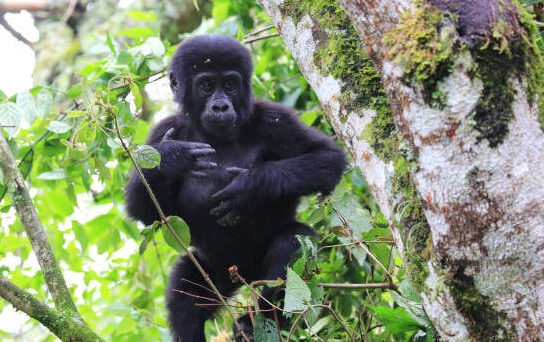
Instead of watching wildlife from a safari vehicle, you enter the forest on foot and search for a gorilla family in its natural environment.
The experience is unpredictable because the gorillas are free to move through the forest.
Consequently, every trek can be different.
One traveler may experience a relatively short hike, while another may spend several hours walking through challenging terrain before the gorillas are found.
That unpredictability is part of what makes the experience so memorable.
Best Time for Gorilla Trekking in Rwanda
Gorilla trekking can be undertaken throughout the year.
However, travelers should remember that Volcanoes National Park is a rainforest environment, meaning that rain can occur even during generally drier periods.
The trekking trails can become muddy and slippery after rainfall.
Therefore, waterproof clothing and good hiking boots should always be packed.
Your safari operator can also help you choose travel dates according to your preferred itinerary and other activities you want to experience in Rwanda.
How to Prepare for Your Gorilla Trek
Before traveling to Rwanda, some preparation should be done.
Regular walking, hiking, or stair climbing can help improve your fitness.
Your hiking boots should also be comfortable and should ideally be tested before the trip.
A small backpack should be used for essential items rather than carrying unnecessary luggage into the forest.
Most importantly, listen carefully to the park guides and trackers during the trek.
Their instructions are designed to protect both visitors and gorillas.
Book Your Rwanda Gorilla Safari with Tarec Gorilla Safaris
These 10 facts about gorilla trekking in Rwanda show why preparation is so important.
From the required permit and minimum age to the challenging terrain and strict conservation rules, every part of the experience has been carefully designed to protect Rwanda’s mountain gorillas while allowing travelers to encounter them responsibly.
At Tarec Gorilla Safaris, your Rwanda gorilla trekking adventure can be customized around your travel dates, budget, accommodation preference, and interests.
Whether you are looking for a short 4-day Rwanda gorilla safari, a luxury gorilla trekking experience, or a longer Rwanda wildlife adventure, your itinerary can be planned from arrival in Kigali to your departure.
Ready to experience Rwanda’s mountain gorillas? Contact Tarec Gorilla Safaris today for a personalized gorilla trekking package and start planning your adventure.
Frequently Asked Questions
How much does gorilla trekking in Rwanda cost?
The current listed permit price for international visitors is US$1,500 per person per day. Other eligible visitor categories may qualify for different rates.
How old must you be to trek gorillas in Rwanda?
The minimum age for gorilla tracking in Rwanda is 15 years.
How long does gorilla trekking take?
The duration varies depending on the location of the gorilla family and the terrain. Some treks can be shorter, while others may require several hours of hiking.
Where is gorilla trekking done in Rwanda?
Gorilla trekking is conducted in Volcanoes National Park in northern Rwanda.
Is gorilla trekking difficult?
It can be physically demanding because the terrain is mountainous and can be steep, muddy, and uneven. However, the difficulty varies from trek to trek.
How long can I stay with the gorillas?
Tourist contact with each habituated gorilla group is limited to a maximum of one hour per day under Rwanda’s current visitor rules.
Should I book my gorilla permit in advance?
Yes. Gorilla permits are limited, and advance booking is strongly recommended, particularly for popular travel dates.
Inconclusion Therefore
Gorilla trekking in Rwanda provides an opportunity to experience mountain gorillas in one of Africa’s most remarkable natural environments.
Although the trek can be physically demanding, proper preparation and professional guidance can make the experience much more enjoyable.
From the moment you enter Volcanoes National Park to the moment a gorilla family appears through the forest, the experience can create memories that last a lifetime.