Forest at the Top of the World

Nyungwe forest

In the far southwest of Rwanda, where the land rises to its highest point and the continental watershed divides the drainage of two of Africa's greatest river systems — the Congo and the Nile — lies Nyungwe Forest National Park. This is one of the oldest, most species-rich, and most biologically significant tropical rainforests in Africa, and one of the least visited. It is also, arguably, the most extraordinary.

Nyungwe covers 1,019 square kilometres of Afromontane rainforest, montane grassland, peat bogs, and wetland at altitudes ranging from 1,600 to 2,950 metres above sea level. The forest is estimated to be over 500,000 years old — a Pleistocene-era refuge that survived ice ages and climate shifts that devastated forests across the continent, which is why it harbours a degree of biodiversity that scientists are still fully cataloguing. It is the source of the Rukarara River — the southernmost and most distant source of the Nile — making this ancient forest, in the most poetic geographical sense, the birthplace of one of history's greatest rivers.

Nyungwe is home to 13 primate species — second only to Kibale in Uganda — including approximately 500 chimpanzees, Angola colobus monkeys in troops of up to 400 individuals, L'Hoest's monkey, owl-faced monkey, grey-cheeked mangabey, and the olive baboon. Its bird life is exceptional, with over 300 species recorded including 29 Albertine Rift endemics found nowhere else on Earth. And its tree canopy — in places reaching 50 metres in height — supports a canopy walkway that delivers one of the most exhilarating perspectives available in any African forest.

The Landscape

Nyungwe is a forest that commands awe. Its vast, unbroken green canopy rolls across mountain ridges as far as the eye can see, broken only by the silver threads of rivers and the occasional grassland clearing. Morning mist fills the valleys with a ghostly white luminescence, and by mid-morning the forest steams in the equatorial sun, alive with the calls of birds, the crashing of colobus troops, and the distant hooting of chimpanzees. The high altitude — the park's headquarters sit at over 2,000 metres — means temperatures are pleasantly cool, and the air carries the rich, complex scent of ancient rainforest.

Tourism Activities in Nyungwe Forest

Chimpanzee trekking in Nyungwe is a world-class experience. The habituated Cyamudongo chimpanzee community — located in a forest fragment separated from the main park — offers an extraordinarily intimate encounter, as the smaller forest confines the chimps to a more predictable area. Chimpanzee trekking in the main park offers a wilder, more challenging experience through steeper terrain. Colobus monkey trekking is one of Nyungwe's signature activities, as the Angola colobus troops here are among the largest primate groups in Africa. Watching a hundred or more of these striking black-and-white monkeys explode through the canopy overhead — capes flowing, white tails streaming — is one of the most spectacular wildlife sights on the continent.

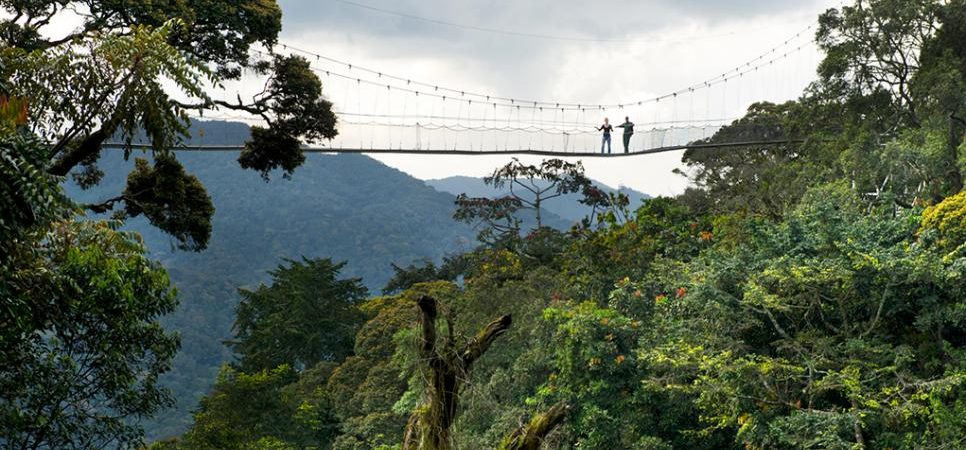
The Igishigishigi Canopy Walkway is one of Rwanda's most thrilling attractions — a series of suspension bridges stretching 160 metres through the forest canopy at 50 metres above the forest floor. Walking the swaying walkway above the treetops, with the entire green expanse of the forest spread below and Albertine Rift endemic birds eye-level in the canopy, is an experience available nowhere else in East Africa.

Guided forest walks through Nyungwe's network of well-maintained trails reveal the forest's extraordinary botanic and wildlife detail — giant tree ferns, carnivorous plants, rare orchids, and numerous small mammals including the elusive African golden cat. Birdwatching in Nyungwe is exceptional by any global standard, with the Albertine Rift endemics — the Ruwenzori turaco, Grauer's rush warbler, Congo bay owl, and the stunning African green broadbill — drawing serious ornithologists from across the world.

The Nile source hike to the Rukarara River — the southernmost headwater of the Nile — is a cultural and geographical pilgrimage through the forest. Reaching the humble stream from which the world's longest river ultimately begins, deep in this ancient forest at the roof of Africa, is a quietly profound moment.

Safari Lodges & Camps in Nyungwe Forest

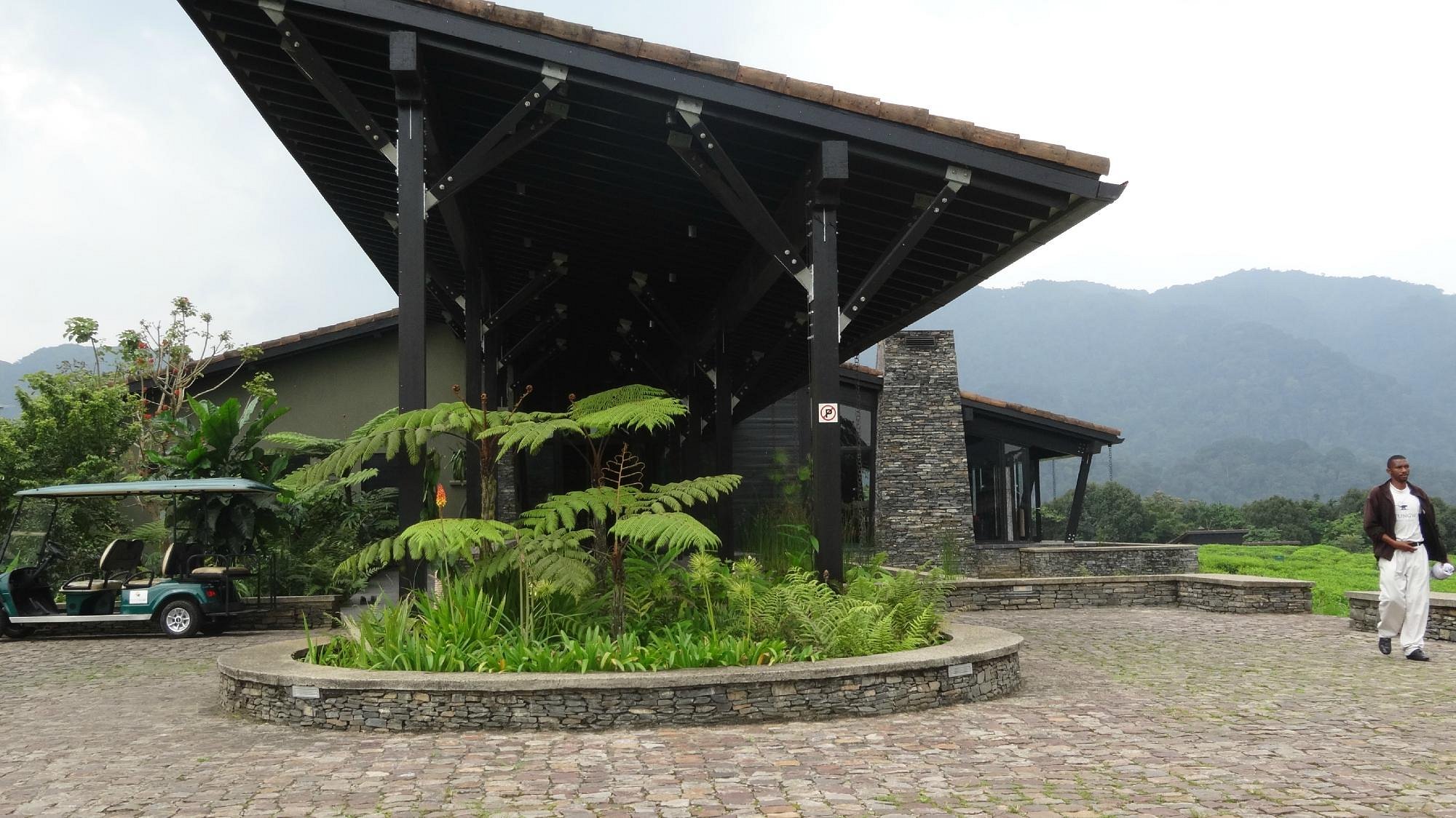
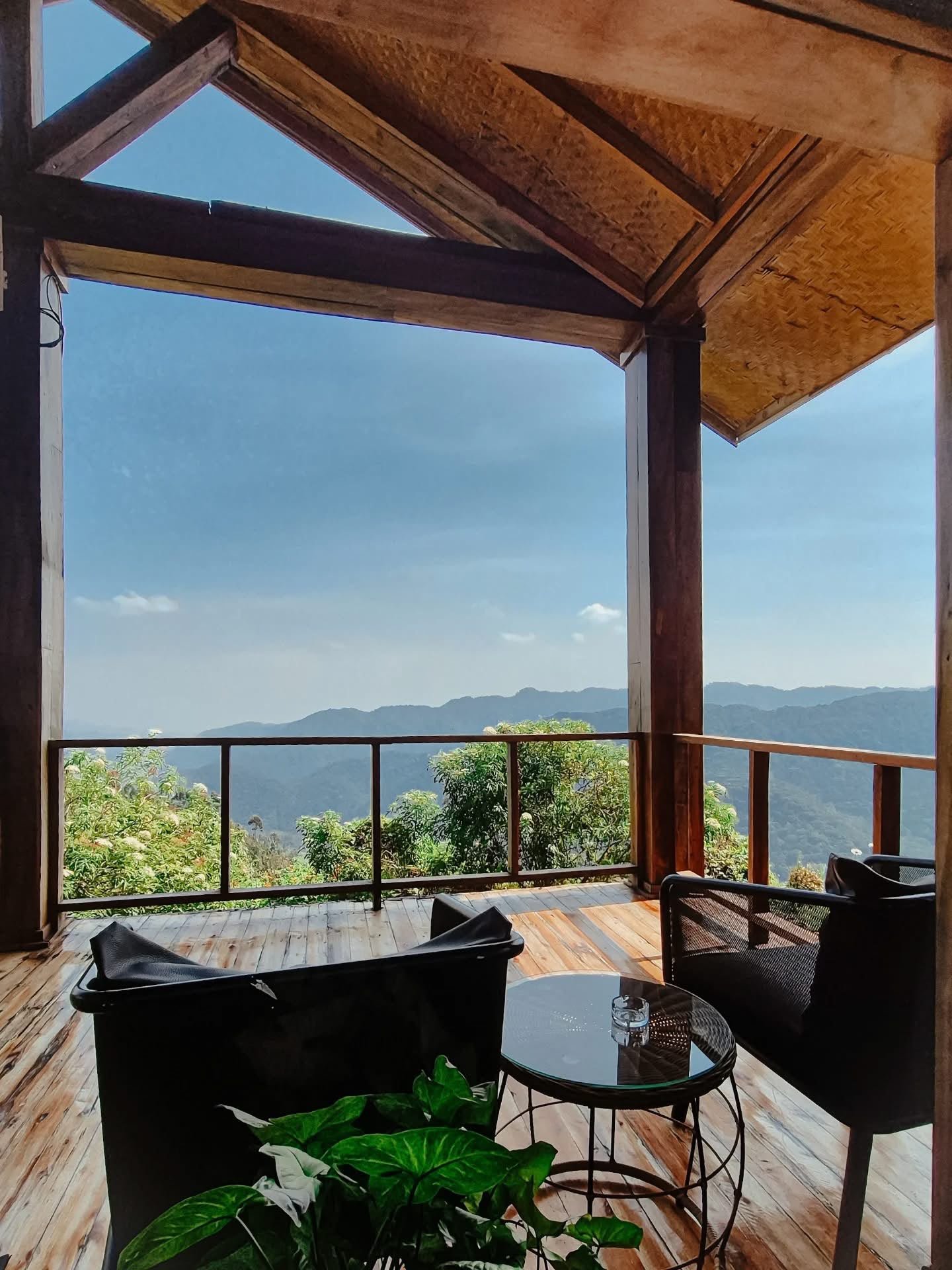
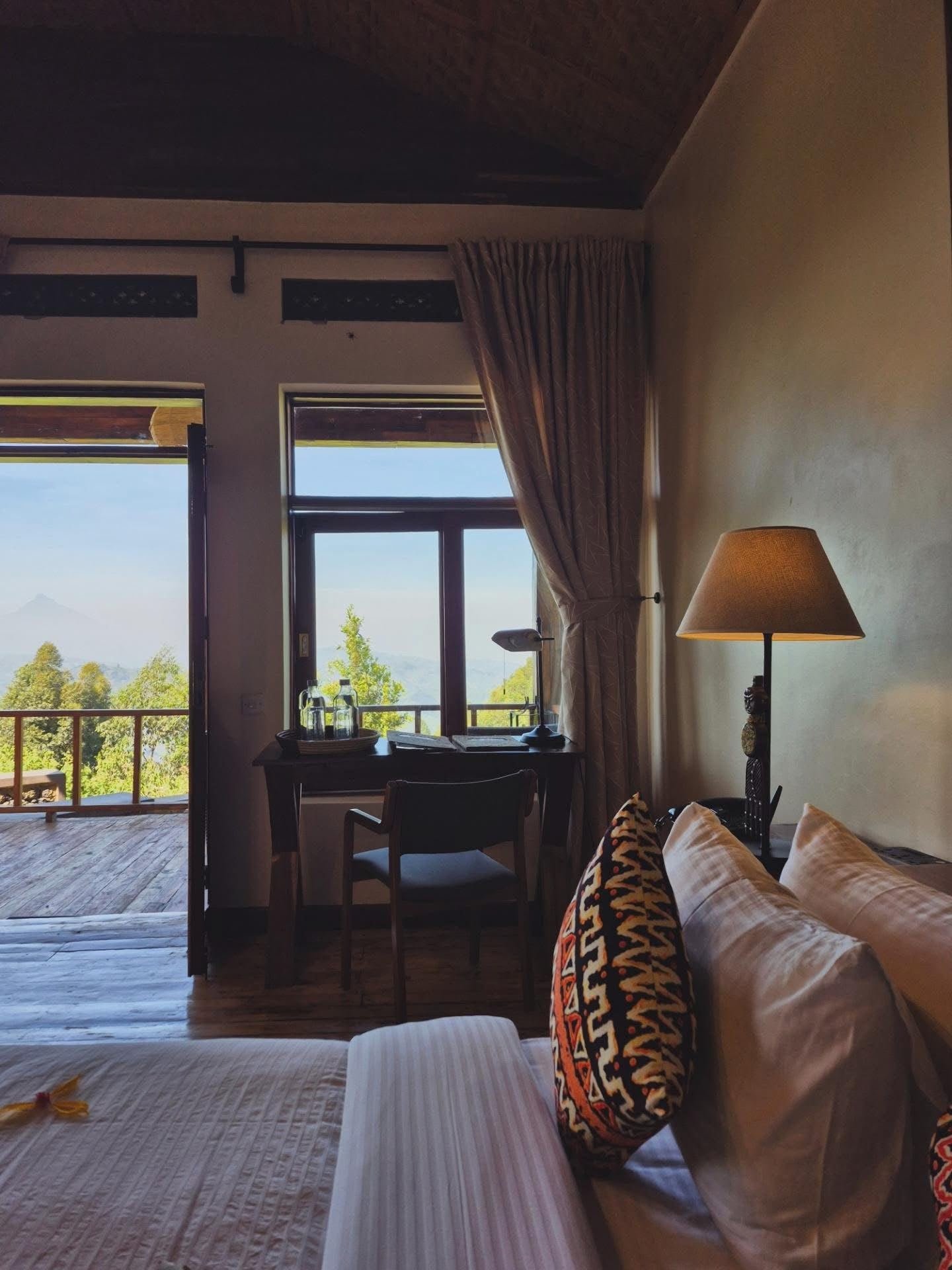
One&Only Nyungwe House is the park's defining luxury property — a former tea estate manor house transformed into a sublime highland retreat set within a working tea plantation on the park's northern edge. The main house is an elegant colonial structure of warm wood, open fireplaces, and wide verandas overlooking the rolling tea and the distant forest. Its eleven rooms and five two-bedroom villas deliver an exceptional standard of comfort, and guided trekking, birding, and tea estate experiences are all managed to the highest level. The sensation of being in a Rwandan tea estate on the edge of an ancient forest is unique and deeply atmospheric.
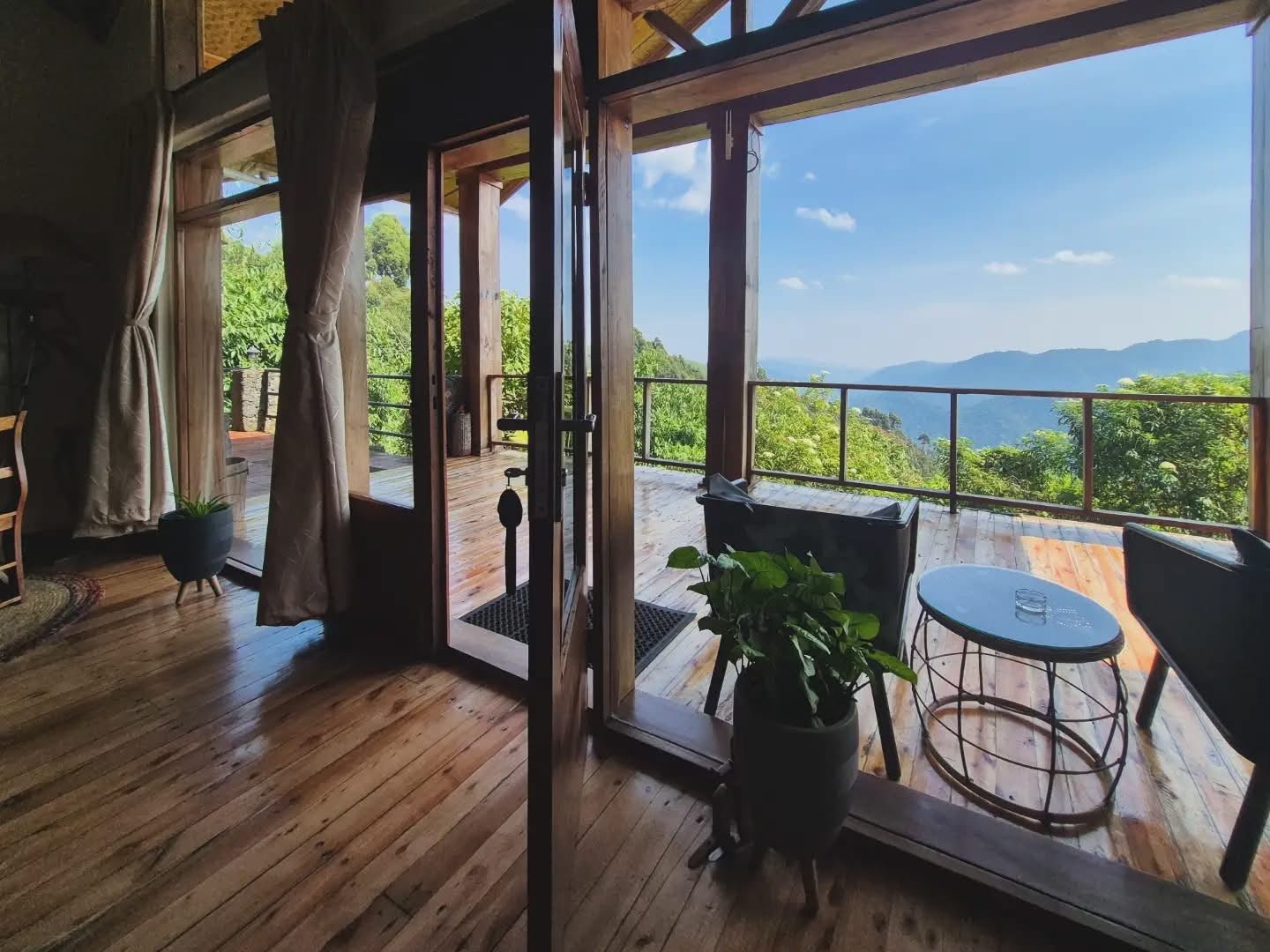
Nyungwe Forest Lodge is a long-established lodge on the park boundary widely considered one of East Africa's most impressive eco-lodges. Its 23 raised glass-and-timber chalets are built into the forest hillside, facing directly into the green depths of Nyungwe. Floor-to-ceiling glass walls bring the forest interior — literally — into every room, and troops of colobus monkeys are regular visitors to the lodge's gardens. The forest immediately behind the lodge connects to the park's trail network, meaning guests can step from their veranda directly into one of Africa's greatest forests.

Nyungwe Top View Hill Hotel sits on a prominent ridge above the park with panoramic views across the forest and the mountains of the Congo border region. A popular mid-range option, it offers comfortable rooms, a warm welcome, and good access to the park's main activity zones.

Gisakura Guesthouse is a long-established community guesthouse adjacent to the park headquarters at Gisakura — simple, clean accommodation in a beautiful tea estate setting that has been welcoming adventurous travellers to Nyungwe for decades. It remains a favourite of birders and researchers for its proximity to the park and its unpretentious, genuine character.