Best Time For Gorilla Trekking In Uganda
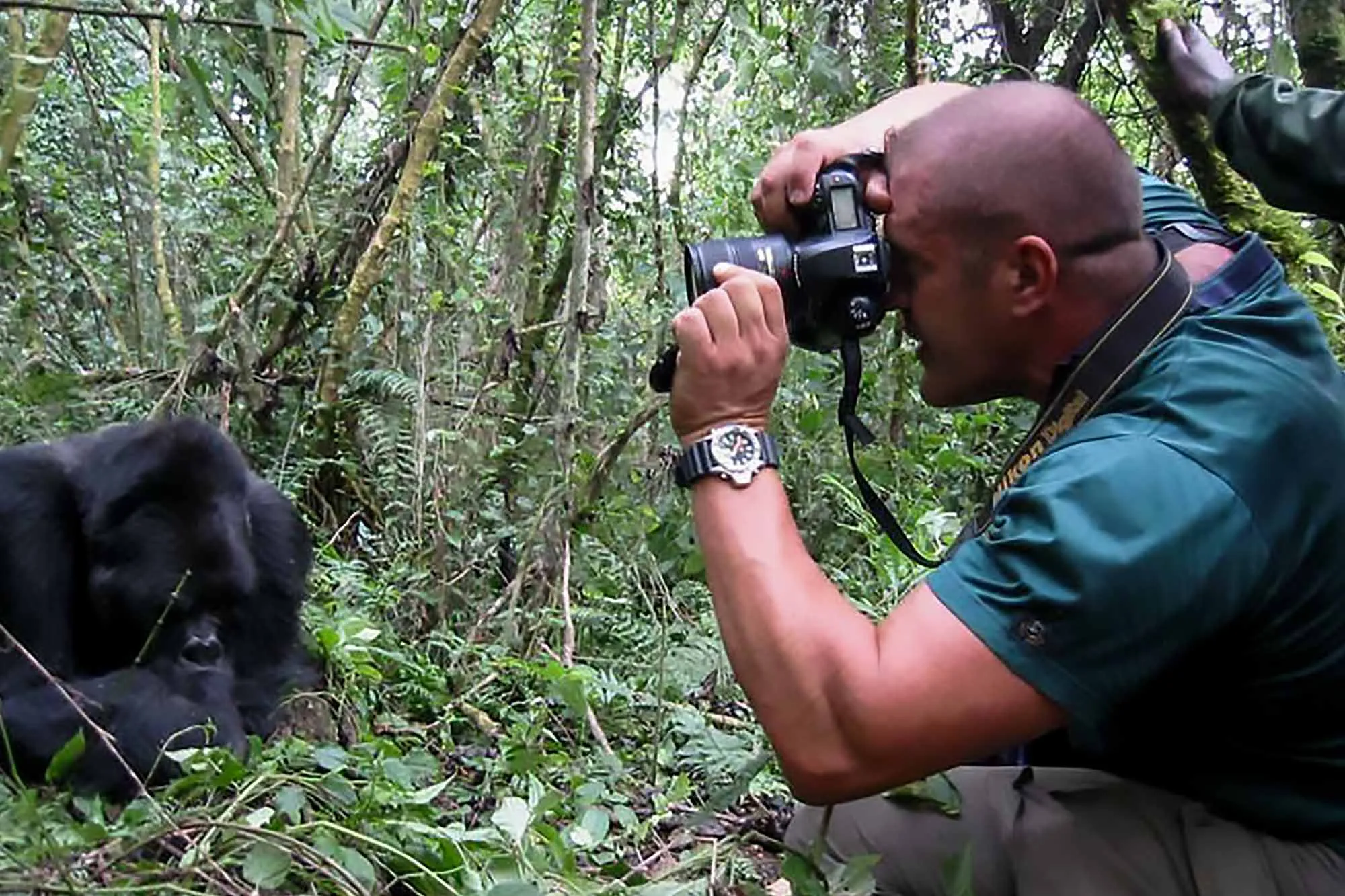
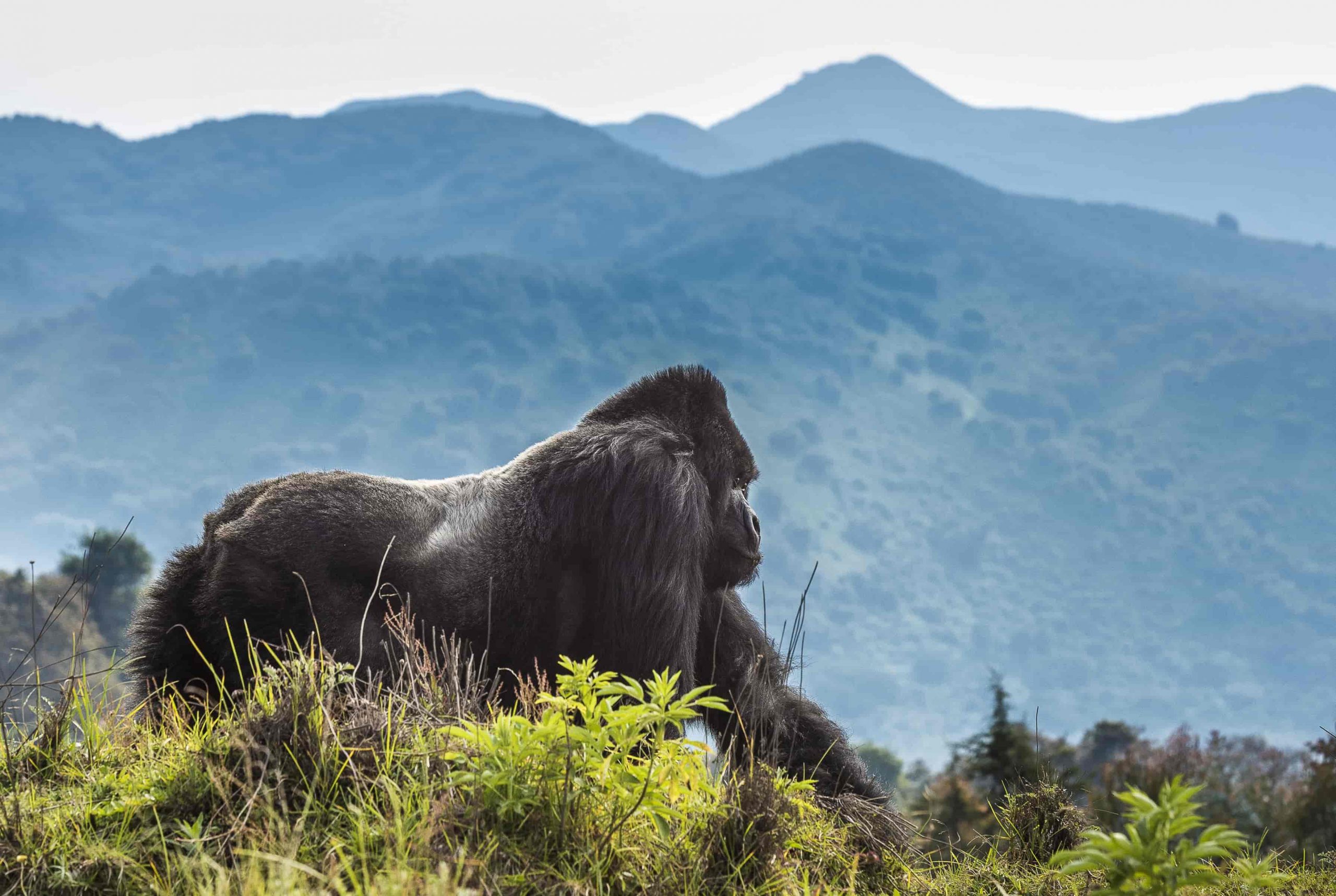
Uganda is one of the world’s most coveted destinations for gorilla trekking, home to roughly half of the world’s remaining mountain gorillas nestled within the dense forests of Bwindi Impenetrable National Park and Mgahinga Gorilla National Park. While gorilla trekking is possible throughout the year, timing your visit wisely can make a significant difference in…
Uganda is one of the world’s most coveted destinations for gorilla trekking, home to roughly half of the world’s remaining mountain gorillas nestled within the dense forests of Bwindi Impenetrable National Park and Mgahinga Gorilla National Park. While gorilla trekking is possible throughout the year, timing your visit wisely can make a significant difference in comfort, accessibility, and overall experience. Here is everything you need to know about the best time to go gorilla trekking in Uganda.
The Two Main Seasons
Uganda has two distinct dry seasons and two wet seasons, and understanding this rhythm is the foundation of planning a successful gorilla trek.
The Dry Seasons (Peak Season)
Uganda’s two dry seasons fall between June and September and December and February. These are widely considered the best months for gorilla trekking, and for good reason.
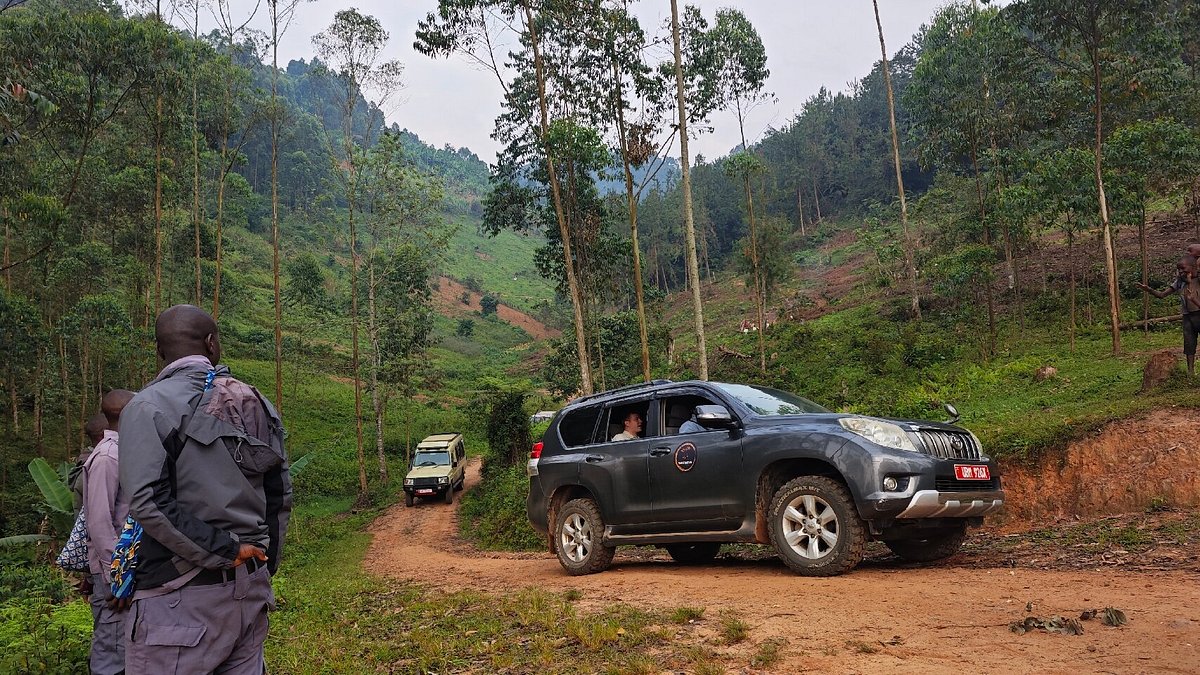
During the dry season, the forest trails in Bwindi are far more manageable. The steep, muddy slopes that define much of the park become firmer underfoot, making the already-challenging hike significantly less treacherous. Visibility through the forest is also improved, as there is less mist and rainfall obscuring the canopy. June through September, in particular, is the longest and most reliable dry window, making it the single most popular period for gorilla trekking in Uganda.
The dry season also coincides with the broader East African safari season, meaning travelers can easily combine a gorilla trek with wildlife viewing in Queen Elizabeth National Park or a game drive in Kidepo Valley. The roads connecting these destinations, many of which are unpaved, are far more passable during drier months.
The Wet Seasons (Low Season)
The two wet seasons run from March to May and October to November. During these periods, Bwindi lives up to its name; the forest becomes deeply impenetrable, with trails turning into slippery, muddy channels and rainfall arriving in heavy afternoon bursts. Trekking becomes more physically demanding, and reaching the gorilla families can take longer as the vegetation thickens.
However, the wet season is not without its appeal.
Why You Might Still Choose the Wet Season
The low season comes with a compelling advantage: significantly lower prices. Gorilla trekking permits in Uganda cost $800 per person (one of the most significant wildlife permits in the world), and while the permit price itself remains fixed, lodge and accommodation rates drop considerably during the rainy months. Lodges around Bwindi that charge premium rates during peak season often slash prices by 30 to 50 percent between March and May, making a gorilla trek much more accessible for budget-conscious travelers.
There is also the matter of crowds. During peak season, popular gorilla families receive multiple trekking groups each day, and lodges around Buhoma, Ruhija, and Nkuringo sectors fill up months in advance. In the low season, the park feels quieter and more intimate, and you are more likely to enjoy a genuinely exclusive encounter with the gorillas.
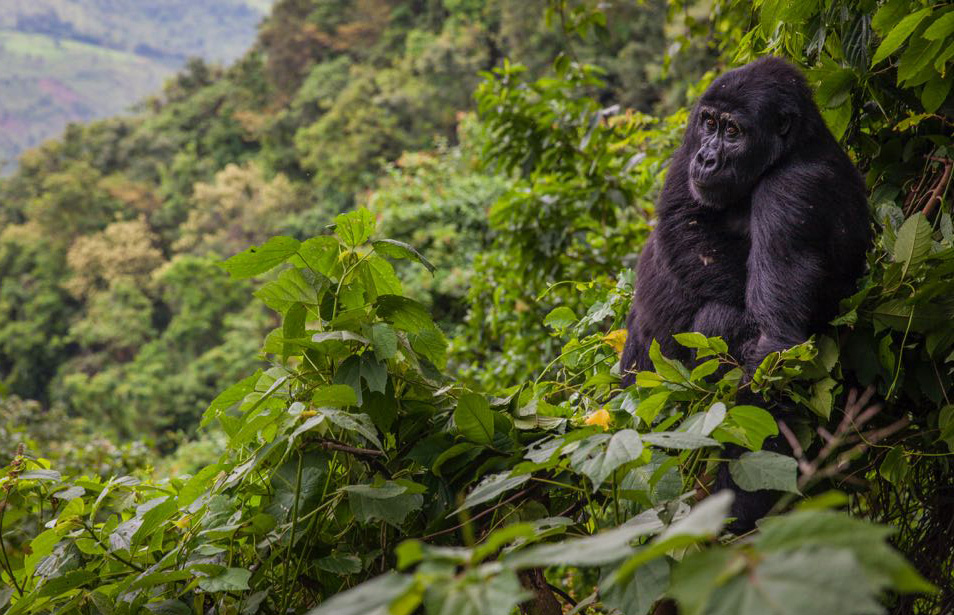
Photographers also find a unique reward during the rainy season — the forest is lush, intensely green, and alive with dramatic light and atmosphere. The wet season produces some of the most evocative images of mountain gorillas in their natural habitat.
Month-by-Month Breakdown
- January – February: Dry and excellent for trekking. A shorter dry window, but reliable and increasingly popular with travelers avoiding the long-haul European summer rush.
- March – May: The long rainy season. Trails are wet and demanding, but prices are lower and crowds thin. Not ideal for first-time trekkers but rewarding for the adventurous.
- June – September: The prime gorilla trekking season. Trails are at their best, weather is most cooperative, and the experience is most accessible for all fitness levels. Book permits and accommodation well in advance—often six to twelve months ahead.
- October – November: The short rainy season. Similar to March–May in character, with muddy trails but quieter parks and lower lodge rates.
- December: Another dry window begins mid-December, making the holiday period a popular and festive time to trek. Permits can be hard to secure as international visitors plan holiday travel.
Gorilla Trekking Sectors in Bwindi
Bwindi Impenetrable National Park is divided into four trekking sectors, Buhoma, Ruhija, Rushaga, and Nkuringo—each with different gorilla families and varying terrain. The best time to visit can also depend on which sector you choose. Nkuringo, for example, sits at a higher altitude and tends to be muddier and more challenging even in the dry season. Rushaga, on the other hand, hosts the largest number of habituated gorilla families and is a popular choice during peak season.
Practical Tips for Timing Your Trek
- Book permits early. The Uganda Wildlife Authority issues a limited number of permits per gorilla family per day. During peak season, permits sell out months in advance. Even in low season, early booking is advisable.
- Pack for all conditions. Regardless of the season, rain gear, waterproof hiking boots, and gaiters are non-negotiable in Bwindi’s unpredictable forest climate.
- Factor in acclimatization. Bwindi sits between 1,160 and 2,607 meters above sea level. Arriving a day or two early helps your body adjust, especially if trekking in warmer months.
- Combine your trip wisely. Pair your gorilla trek with a visit to Queen Elizabeth National Park for the tree-climbing lions of Ishasha or the chimpanzee tracking experience in Kibale Forest, both of which are rewarding in the dry season.
The Verdict
If comfort and accessibility are your priorities, June to September is unquestionably the best time for gorilla trekking in Uganda. The trails are manageable, the weather is cooperative, and the overall experience is most suited to the widest range of travelers. If you are a seasoned trekker looking for lower costs and a quieter experience, March to May offers its own magic; just come prepared for mud and rain.
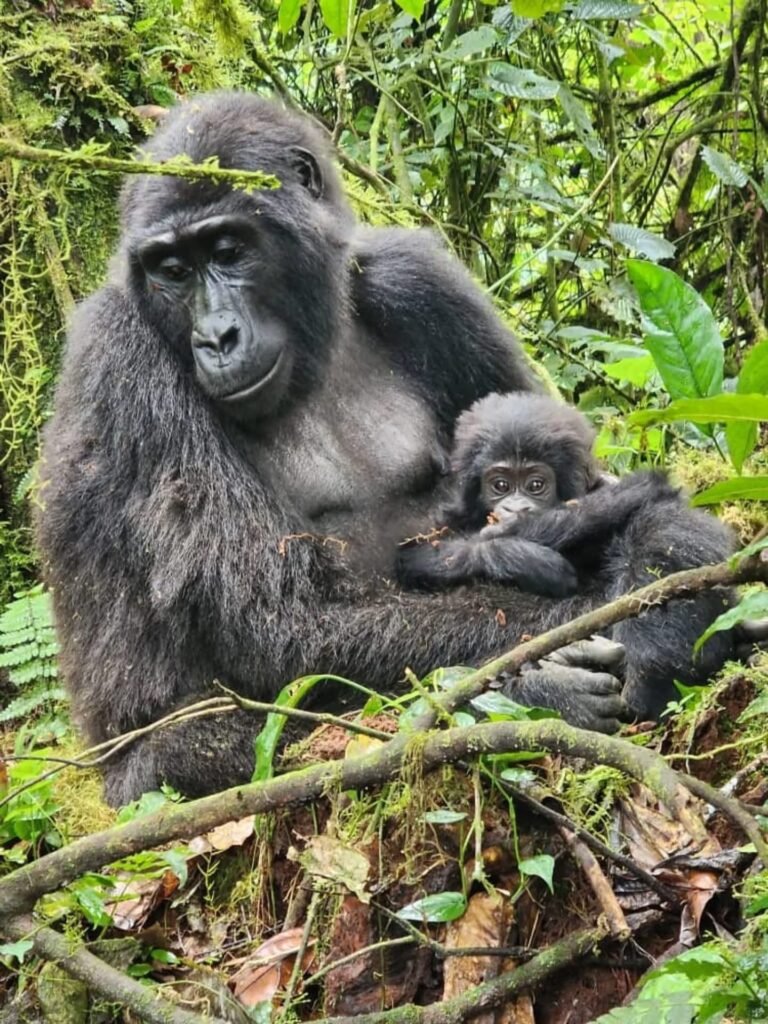
Whenever you choose to go, a gorilla trek in Uganda remains one of the most profound wildlife encounters on the planet. The moment you lock eyes with a mountain gorilla in the wild, no season or trail condition will matter in the slightest.
2 Comments