

Why Is Uganda Called The Pearl of Africa?
Uganda is widely celebrated as “The Pearl of Africa,” a title that has become synonymous with the country’s natural beauty, incredible biodiversity, rich cultural heritage, and warm hospitality. The phrase was popularized by Winston Churchill in his 1908 book My African Journey after he visited Uganda and was captivated by its stunning landscapes and remarkable…
Uganda is widely celebrated as “The Pearl of Africa,” a title that has become synonymous with the country’s natural beauty, incredible biodiversity, rich cultural heritage, and warm hospitality. The phrase was popularized by Winston Churchill in his 1908 book My African Journey after he visited Uganda and was captivated by its stunning landscapes and remarkable diversity. More than a century later, the description remains as relevant as ever, with Uganda continuing to amaze visitors from around the world with its unique blend of wildlife, scenery, culture, and adventure.
Located in the heart of East Africa, Uganda is a land of contrasts and wonders. Within a relatively small geographical area, travelers can encounter dense tropical rainforests, rolling hills, expansive savannahs, snow-capped mountains, vast lakes, and powerful rivers. This remarkable variety of landscapes is one of the many reasons why Uganda earned its reputation as the Pearl of Africa. Unlike many destinations that are known for a single attraction, Uganda offers an extraordinary combination of experiences that appeal to nature lovers, wildlife enthusiasts, adventure seekers, photographers, and cultural explorers alike.
A Land of Spectacular Natural Beauty
One of the strongest reasons Uganda is called the Pearl of Africa is its breathtaking natural beauty. The country is blessed with some of the most diverse and picturesque landscapes on the continent. Rolling green hills stretch across much of the countryside, while fertile valleys and rich farmlands create a patchwork of vibrant colors throughout the year.
In western Uganda, visitors can witness the magnificent Rwenzori Mountains, often referred to as the “Mountains of the Moon.” These mountains are among the highest in Africa and are famous for their snow-capped peaks despite their location near the equator. The dramatic scenery of the Rwenzoris, combined with unique alpine vegetation, creates an environment unlike anywhere else on the continent.
Uganda is also home to Lake Victoria, Africa’s largest freshwater lake and the second-largest freshwater lake in the world. The lake provides stunning shorelines, beautiful islands, and serves as the source of the mighty Nile River, one of the longest rivers on Earth. The combination of lakes, rivers, forests, and mountains contributes significantly to Uganda’s reputation as one of Africa’s most beautiful destinations.
The Home of Mountain Gorillas
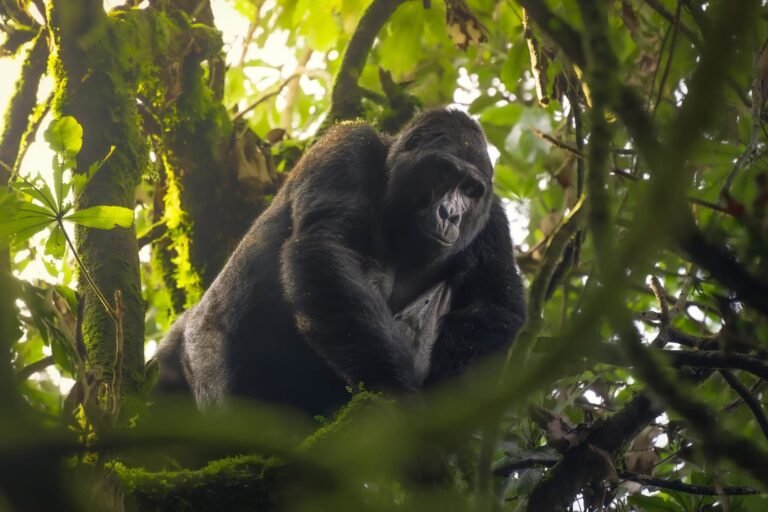
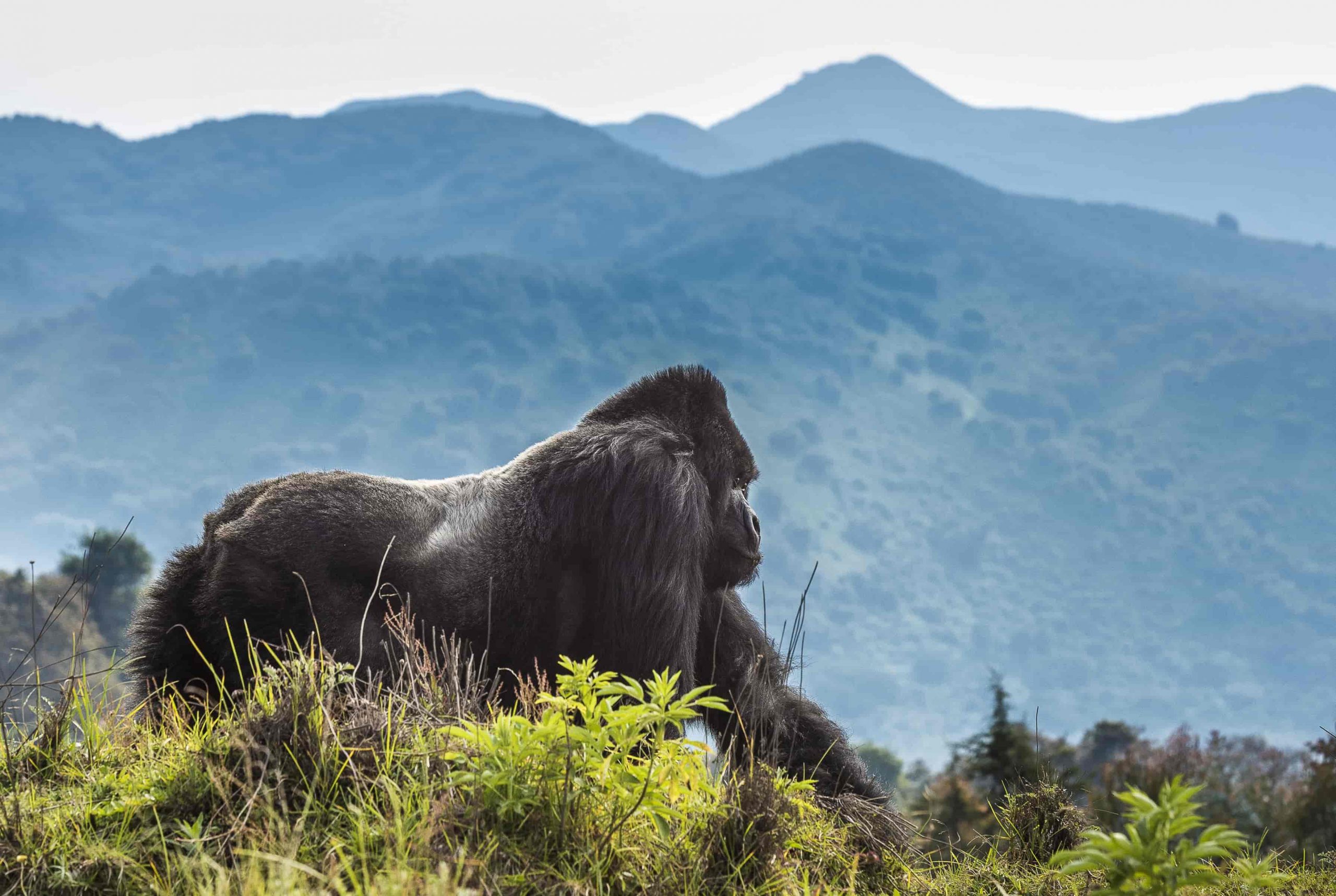
Perhaps no wildlife experience symbolizes Uganda more than gorilla trekking. Uganda is one of only three countries in the world where endangered mountain gorillas can be found in their natural habitat. Bwindi Impenetrable National Park, a UNESCO World Heritage Site, is home to nearly half of the world’s remaining mountain gorilla population.
Trekking through the dense forests of Bwindi in search of these gentle giants is considered one of the most extraordinary wildlife encounters on the planet. The moment visitors come face-to-face with a gorilla family is often described as life-changing. Observing these intelligent primates as they interact, feed, and care for one another creates an unforgettable connection between humans and nature.
The conservation success of Uganda’s gorilla population has also contributed to the country’s global reputation. Through responsible tourism and conservation efforts, Uganda has become a leading destination for sustainable wildlife experiences that directly support local communities and environmental protection.
Remarkable Wildlife Diversity
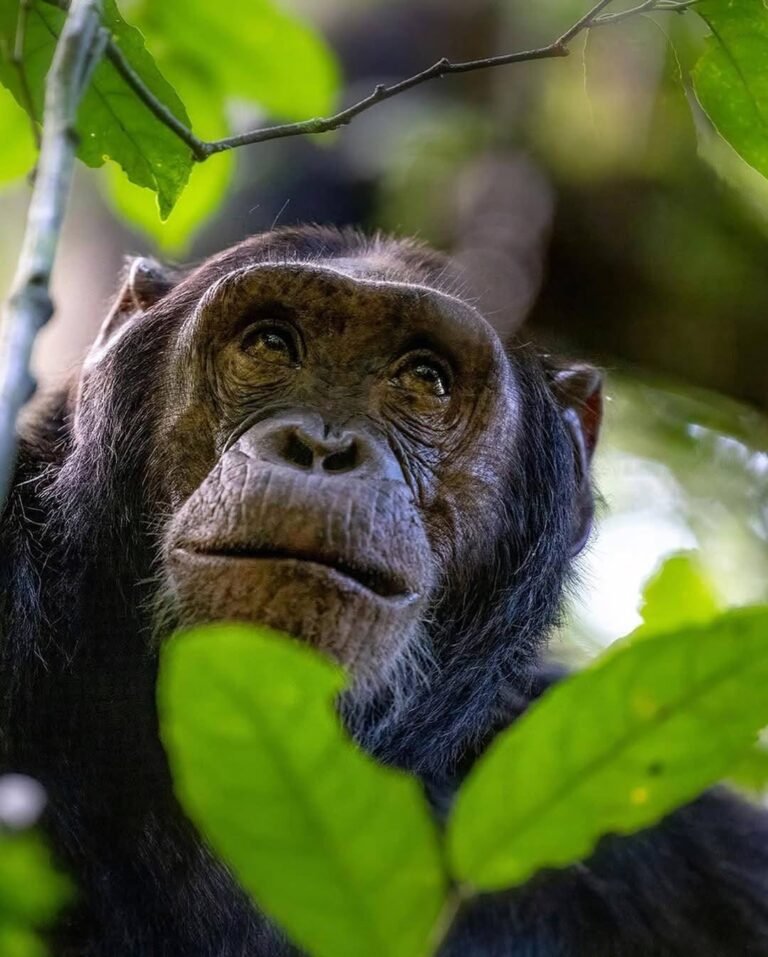
Uganda’s appeal extends far beyond gorillas. The country is home to an astonishing variety of wildlife spread across numerous national parks and protected areas. Visitors can explore iconic destinations such as Queen Elizabeth National Park, Murchison Falls National Park, Kidepo Valley National Park, and Lake Mburo National Park.
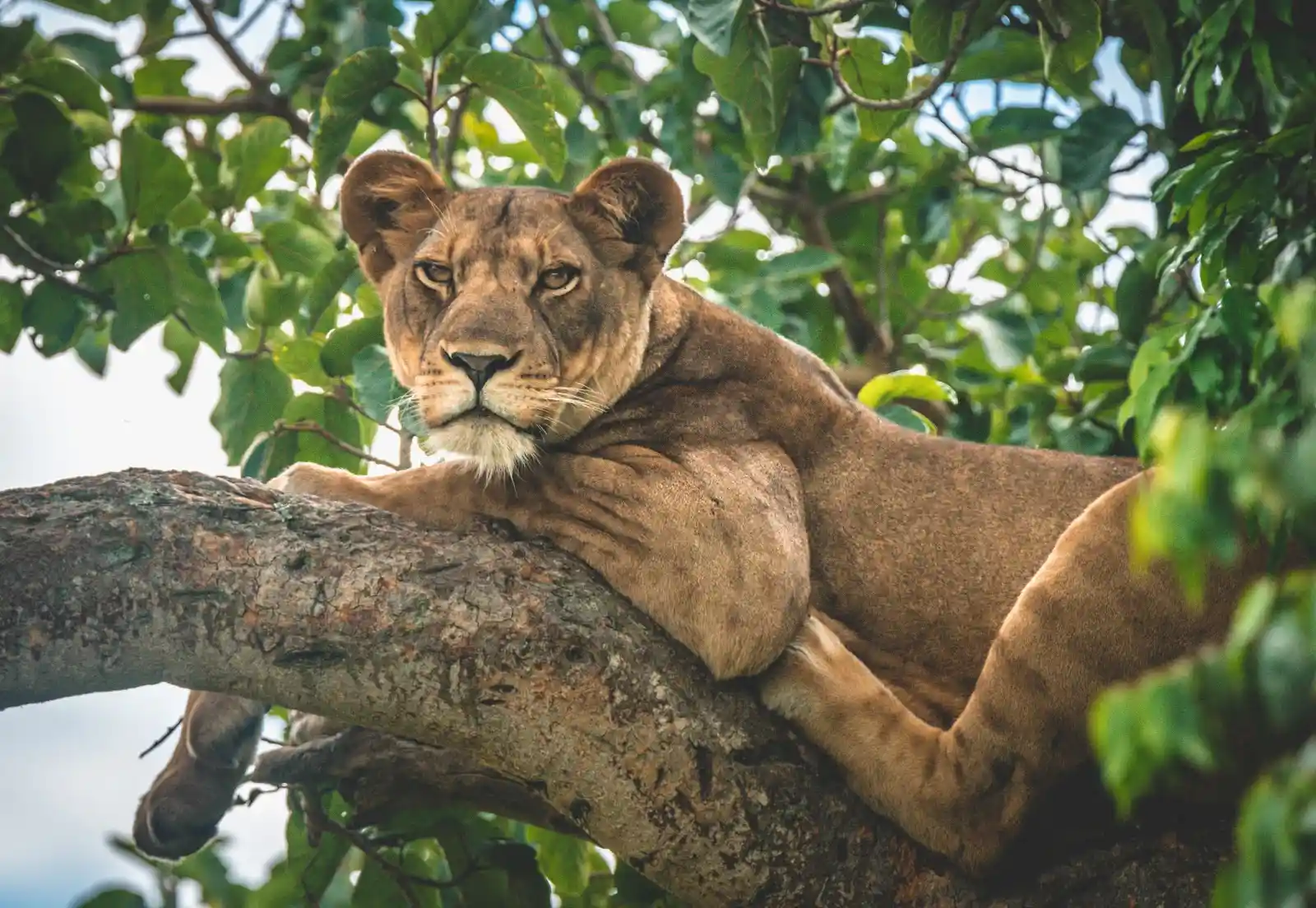
These parks provide habitats for elephants, lions, leopards, buffaloes, giraffes, zebras, antelopes, hippos, crocodiles, and countless other species. Uganda is particularly famous for its tree-climbing lions found in the Ishasha sector of Queen Elizabeth National Park, a rare behavior observed in only a few places worldwide.
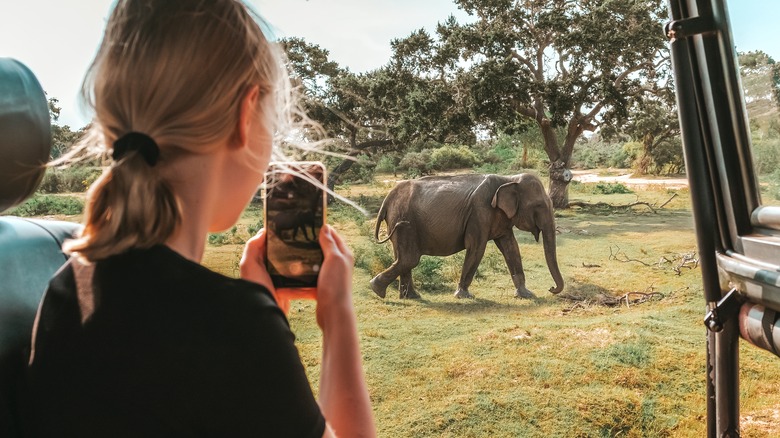
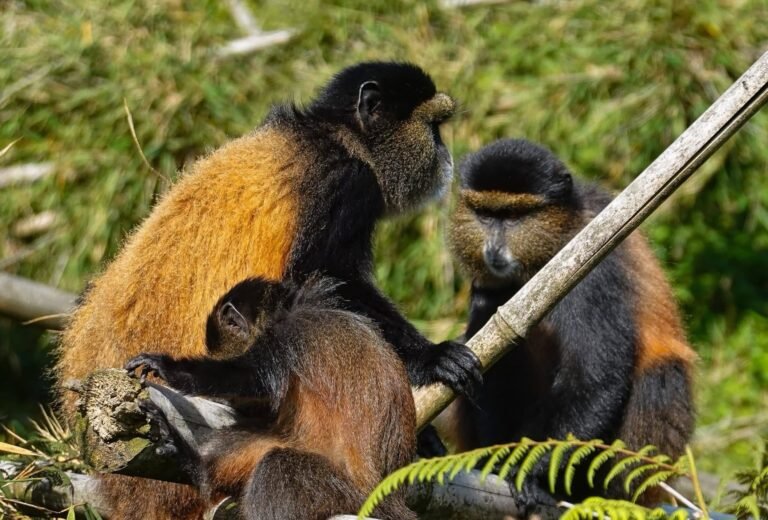
Game drives through Uganda’s savannahs offer excellent opportunities to witness Africa’s iconic wildlife, while boat cruises along rivers and lakes provide unique perspectives on animals gathering along the water’s edge. The abundance of wildlife and diverse ecosystems make Uganda one of Africa’s most rewarding safari destinations.
A Birdwatcher’s Paradise
Uganda is often regarded as one of the best birdwatching destinations in the world. Despite its relatively small size, the country boasts more than 1,000 bird species, representing approximately half of Africa’s bird population. This extraordinary diversity attracts bird enthusiasts from across the globe.
From colorful kingfishers and bee-eaters to majestic eagles and rare shoebills, Uganda offers endless opportunities for birdwatching. Wetlands, forests, lakeshores, and savannah habitats each support unique species, ensuring exceptional birding experiences throughout the country.
The elusive shoebill stork, often considered one of Africa’s most sought-after birds, is among Uganda’s most famous avian attractions. Spotting this prehistoric-looking bird in its natural habitat is a dream come true for many birdwatchers.
Rich Cultural Heritage and Warm Hospitality
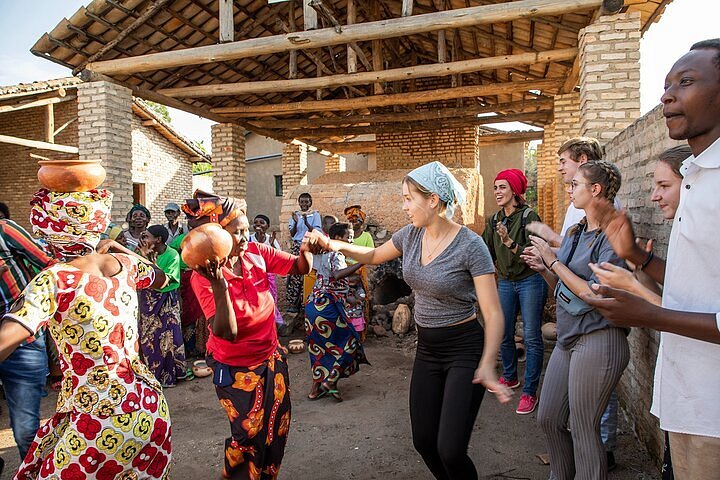
Uganda’s title as the Pearl of Africa is not solely based on its landscapes and wildlife. The country’s people play an equally important role in creating its unique charm. Uganda is home to more than 50 ethnic groups, each with distinct traditions, languages, music, dances, and customs.
Visitors have countless opportunities to engage with local communities and experience authentic cultural traditions. Whether attending traditional dance performances, learning about ancient kingdoms, visiting local markets, or participating in village experiences, travelers gain valuable insights into Uganda’s diverse cultural heritage.
Perhaps even more memorable than the cultural experiences themselves is the warmth and friendliness of the Ugandan people. Visitors frequently describe Ugandans as welcoming, hospitable, and genuinely kind. This reputation for friendliness has helped Uganda become one of Africa’s most beloved travel destinations.
The Mighty Nile River
Uganda is famously home to the source of the River Nile, which begins its long journey northward from Lake Victoria. The Nile has played a significant role in shaping both Uganda’s geography and tourism industry.
In Jinja, often referred to as East Africa’s adventure capital, visitors can enjoy a wide range of activities along the Nile. White-water rafting, kayaking, bungee jumping, boat cruises, and sport fishing attract adventure seekers from around the world. The combination of natural beauty and thrilling experiences adds another dimension to Uganda’s appeal.

Ideal Climate Throughout the Year
Despite being located on the equator, Uganda enjoys a pleasant climate due to its elevation. Temperatures remain relatively moderate throughout the year, creating comfortable conditions for travel and outdoor exploration.
The country experiences two main dry seasons, making wildlife viewing and trekking particularly enjoyable. However, Uganda remains a year-round destination, with each season offering unique experiences and opportunities for exploration.
Why the Name Still Fits Today
More than a century after Winston Churchill first described Uganda as the Pearl of Africa, the title remains perfectly suited to the country. Few destinations can match Uganda’s combination of mountain gorillas, abundant wildlife, spectacular scenery, rich cultural diversity, adventure activities, and welcoming people.
Whether trekking through the misty forests of Bwindi, watching elephants roam across the savannah, cruising along the Nile, spotting rare birds, or connecting with local communities, visitors quickly understand why Uganda has earned such a prestigious nickname. It is a country that continually surprises and inspires those fortunate enough to experience it.
Inconclusion therefore
Uganda’s designation as the Pearl of Africa is more than just a marketing slogan—it is a reflection of the country’s extraordinary natural and cultural wealth. From its lush landscapes and rare wildlife to its vibrant cultures and warm-hearted people, Uganda offers an unmatched travel experience that captures the very essence of Africa. For travelers seeking authentic adventure, unforgettable encounters, and breathtaking beauty, Uganda truly lives up to its reputation as the Pearl of Africa.
One Comment