Uganda Vs Rwanda Gorilla Trekking: Which Is Better?
Two countries. One extraordinary animal. A decision that shapes your entire East Africa safari. Uganda and Rwanda are the two premier destinations on earth for mountain gorilla trekking, and choosing between them is one of the most common — and most genuinely difficult — planning questions any safari traveler faces. Both offer the rare privilege…
Two countries. One extraordinary animal. A decision that shapes your entire East Africa safari. Uganda and Rwanda are the two premier destinations on earth for mountain gorilla trekking, and choosing between them is one of the most common — and most genuinely difficult — planning questions any safari traveler faces. Both offer the rare privilege of standing face to face with a habituated mountain gorilla family in the wild. But beyond that shared pinnacle, the two experiences diverge considerably in cost, terrain, accessibility, atmosphere, and overall travel style.
Here is an honest, detailed comparison to help you decide which country is right for you.
The Gorillas Themselves: Same Species, Different Settings
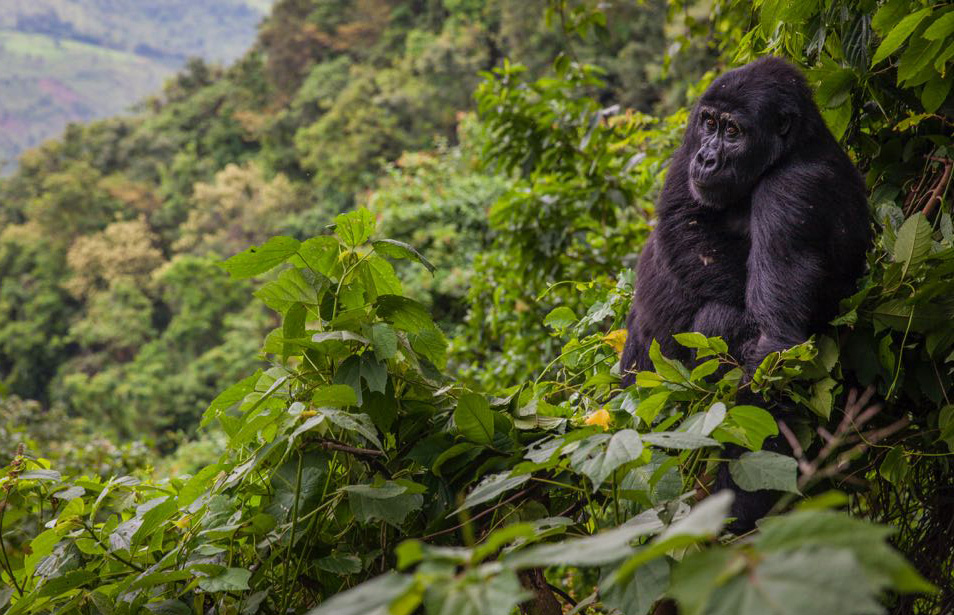
There are approximately 1,063 mountain gorillas remaining in the wild, split between two distinct ecosystems: Uganda’s Bwindi Impenetrable National Park (and nearby Mgahinga Gorilla National Park), and the Virunga Massif — a chain of ancient volcanoes spanning Rwanda, Uganda, and the Democratic Republic of Congo.
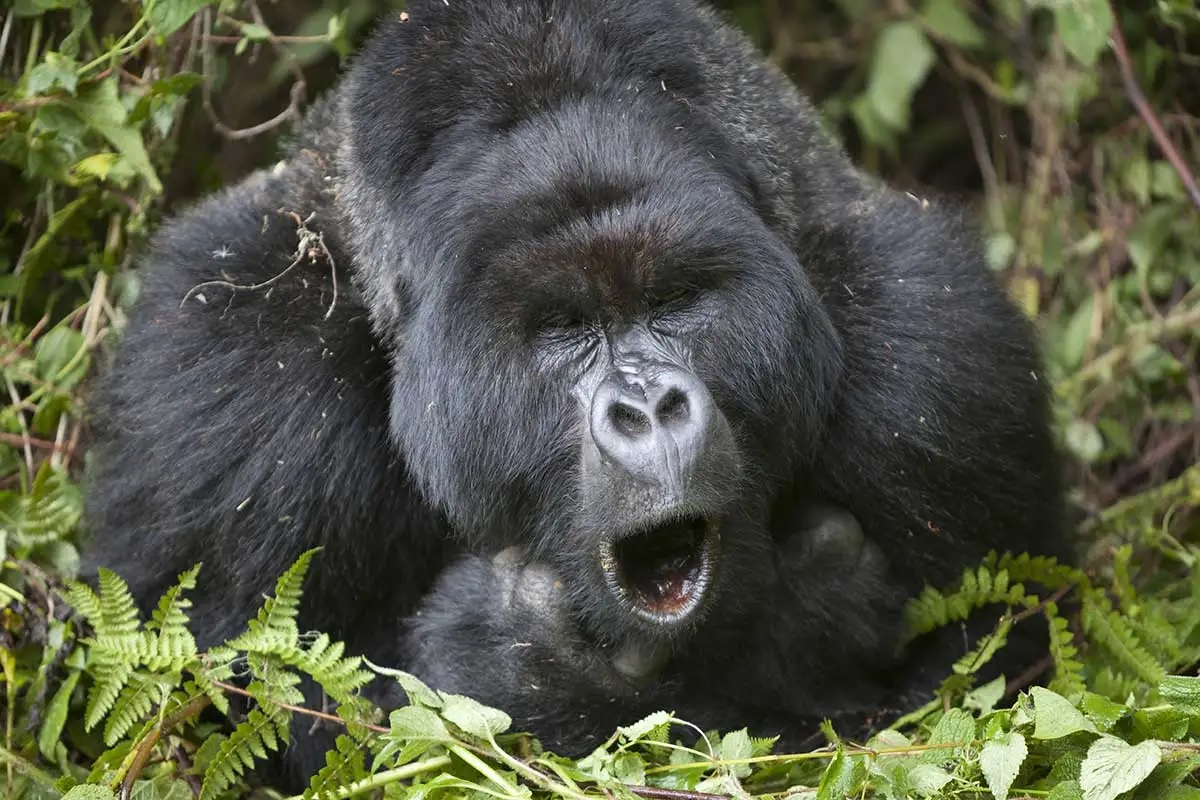
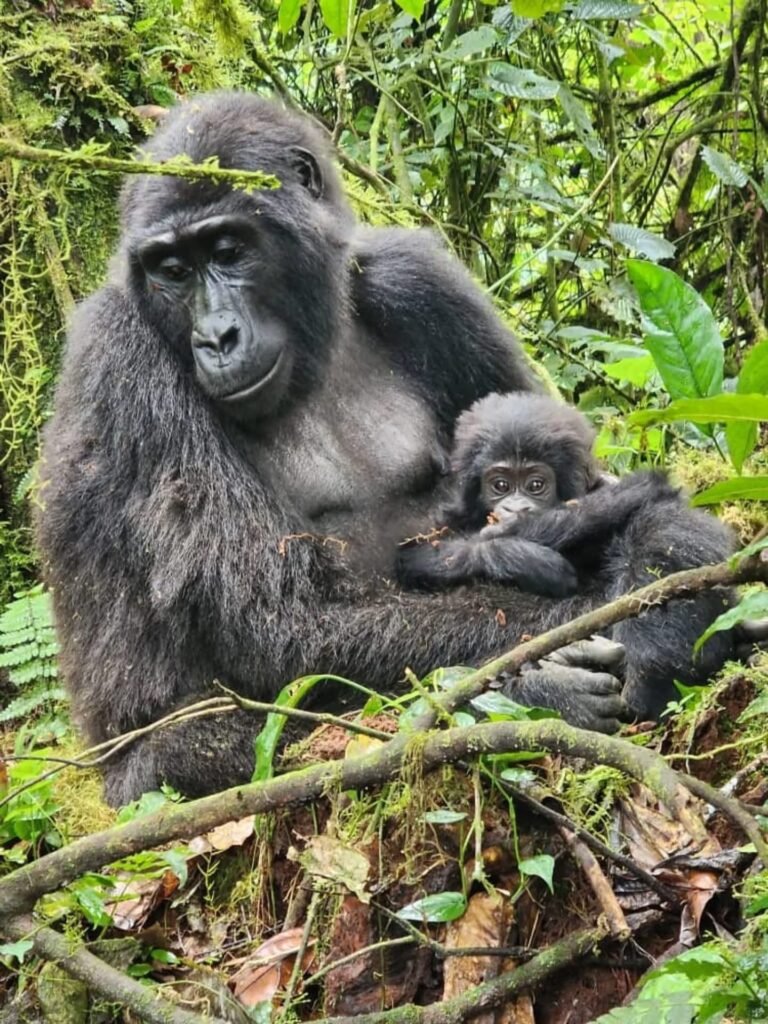
Uganda hosts the majority of the world’s mountain gorillas, with Bwindi alone home to more than half the global population. Rwanda’s Volcanoes National Park (Parc National des Volcans) protects the Virunga-side population and is where Dian Fossey conducted her landmark research in the 1970s. In both countries, habituated gorilla families are tracked daily by rangers, and visits are strictly capped at one hour per group of eight trekkers.
The gorillas you encounter are equally magnificent regardless of which side of the border you stand on. The difference lies entirely in getting to them.
Permit Costs: A Significant Price Gap
This is the factor that drives most booking decisions, and the gap is substantial. As of 2026, a gorilla trekking safari permit in Uganda costs USD $800 per person, while Rwanda’s permit is priced at USD $1,500 per person — nearly double. Both fees are paid to the respective national wildlife authorities and go directly toward conservation, ranger salaries, and community development programmes.
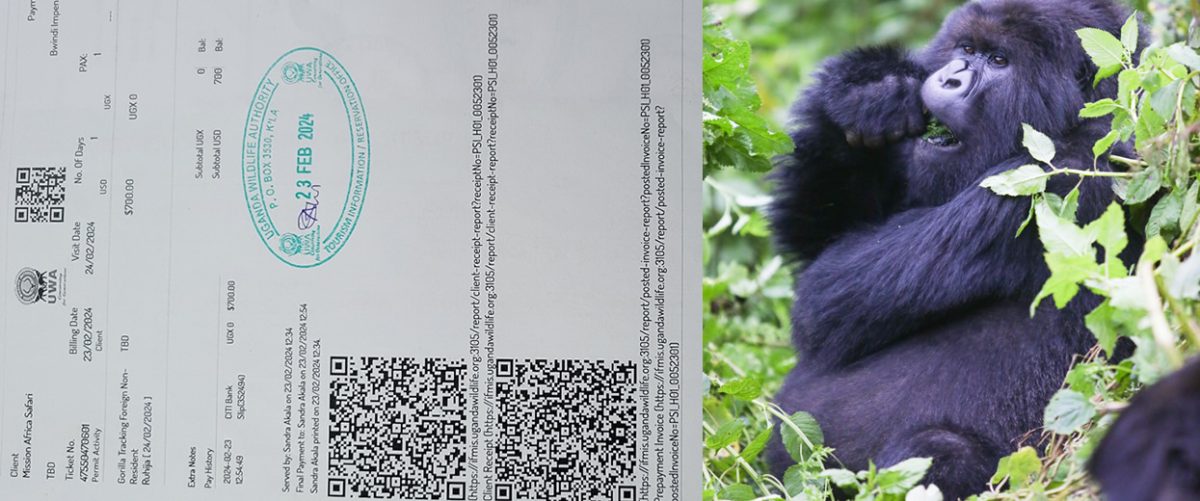
The $700 difference per person is not trivial. For a couple, that is $1,400 saved on permits alone — enough to fund an additional safari day, a flight upgrade, or considerably nicer accommodation. For budget-conscious travellers or those combining gorilla trekking with a broader East Africa itinerary, Uganda’s pricing is a decisive advantage.
Rwanda defends its higher permit fee as a deliberate conservation and tourism strategy: fewer visitors paying more equals lower environmental impact and higher revenue per trekker. It is a coherent argument, and Rwanda’s parks are exceptionally well-managed as a result. But for most travellers comparing value, Uganda wins on cost — clearly and consistently.
Uganda also offers an experience Rwanda does not: the Gorilla Habituation Experience in Bwindi, which allows up to four hours with a semi-habituated gorilla family under research supervision. The permit for this costs $1,500 — the same as Rwanda’s standard permit — but the extended time with the gorillas makes it exceptional value for wildlife enthusiasts seeking deeper immersion.
Trekking Terrain and Physical Difficulty
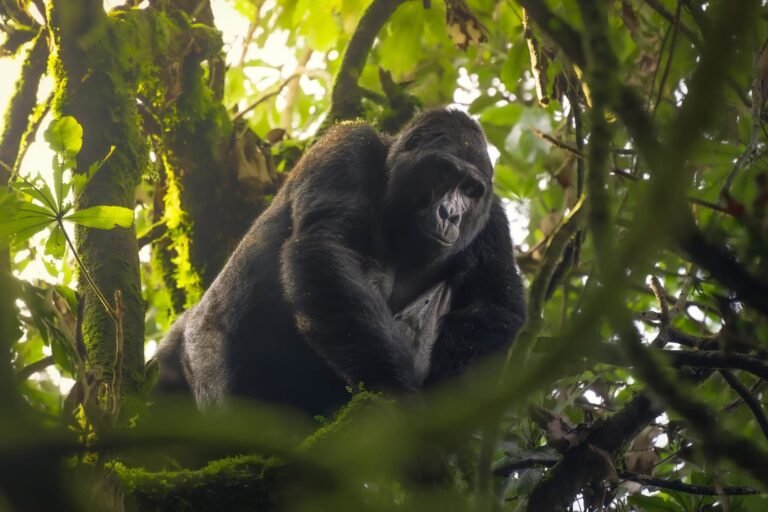
The two destinations feel markedly different on the trail. Uganda’s Bwindi Impenetrable National Park lives up to its name. The forest is ancient, dense, and raw. Trails are steep, muddy, and frequently cut on the spot by rangers with machetes as they follow the gorillas’ overnight movements. Depending on the sector — Buhoma, Ruhija, Nkuringo, or Rushaga — and the gorilla family’s location that day, treks can last anywhere from two to eight hours. The altitude ranges from 2,500 to 3,000 metres, adding a genuine respiratory challenge to the physical exertion.
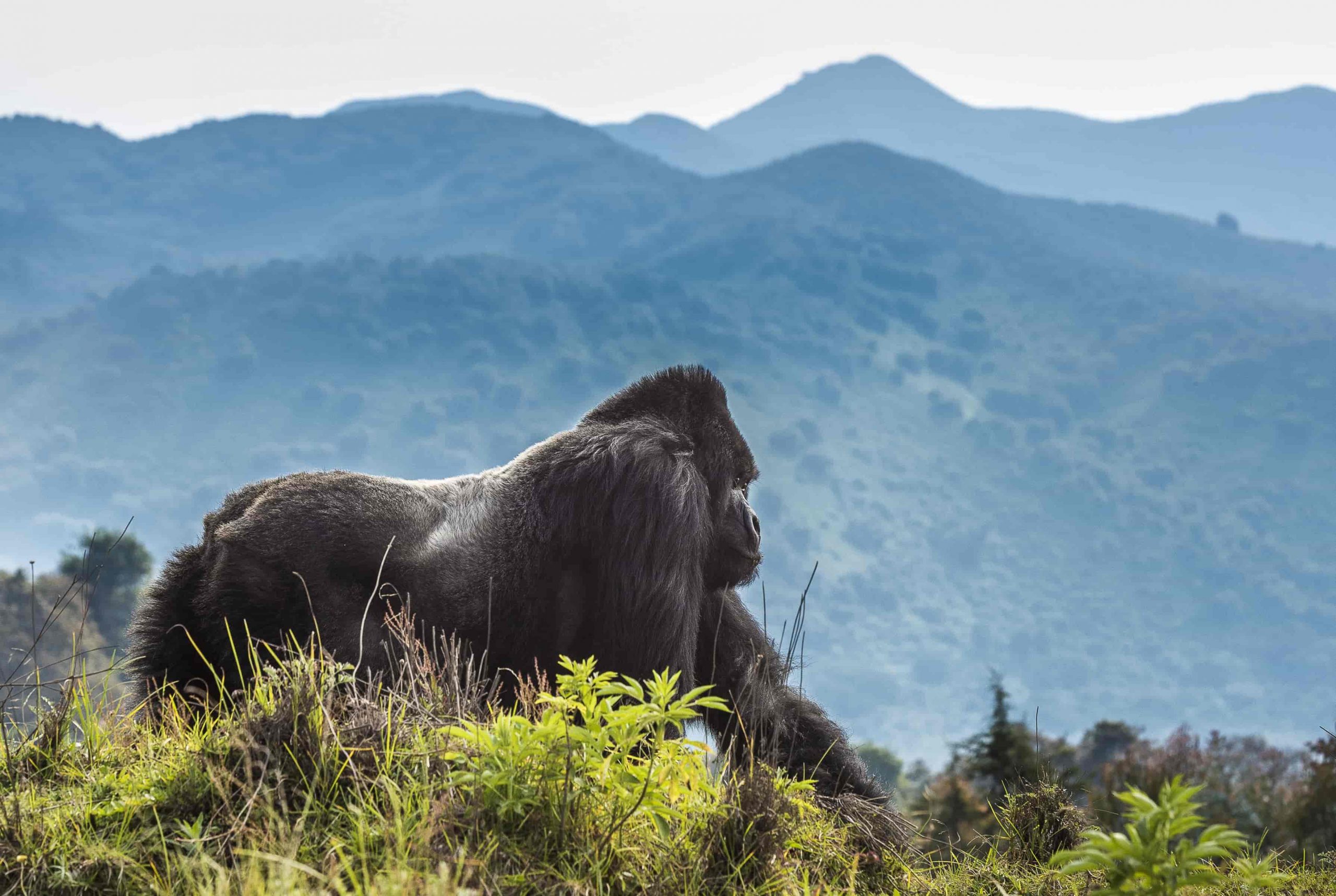
Rwanda’s Volcanoes National Park offers a somewhat more structured trekking environment. The terrain includes open bamboo forests and the slopes of dormant volcanoes, which can be steep but tend to be less densely vegetated than Bwindi. Treks typically last between one and four hours, and the overall experience is considered slightly more accessible — particularly for older travellers or those with limited hiking experience. Porters are available in both countries and are strongly recommended regardless of fitness level.
For adventure seekers who want a raw, immersive jungle experience, Uganda is the more compelling option. For those prioritising ease of access and a shorter, more predictable trek, Rwanda has an edge.
Accessibility and Getting There
Rwanda has a logistical advantage that is difficult to overstate: proximity. Volcanoes National Park is approximately two to three hours by road from Kigali International Airport. You can fly into Kigali in the evening, drive to the park the following morning, trek in the afternoon briefing context, and be standing in front of gorillas the next day. Rwanda’s road infrastructure is also among the best in East Africa, making the transfer smooth and reliable.
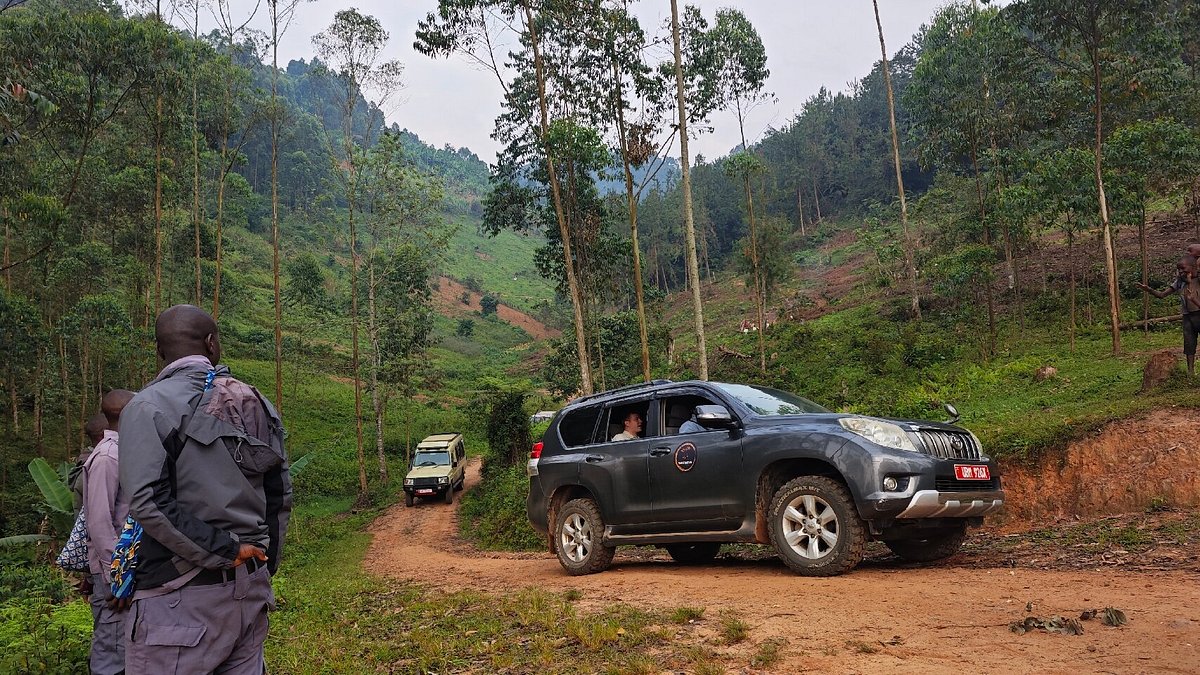
Uganda requires more planning. Bwindi Impenetrable National Park is roughly eight to nine hours by road from Kampala (or Entebbe International Airport), or 45 minutes by charter flight to nearby airstrips. The road journey, while scenic, is long and on largely unpaved roads for the final section. Charter flights are comfortable but add cost. For travellers with limited time, Rwanda’s accessibility is a meaningful advantage.
Accommodation and Travel Style
Rwanda has invested heavily in positioning itself as a luxury gorilla trekking destination. High-end lodges adjacent to Volcanoes National Park are world-class, with some properties among the finest safari accommodations on the continent. The overall Rwanda gorilla experience is polished, seamless, and designed for discerning travellers who want exceptional comfort alongside their wildlife encounter.
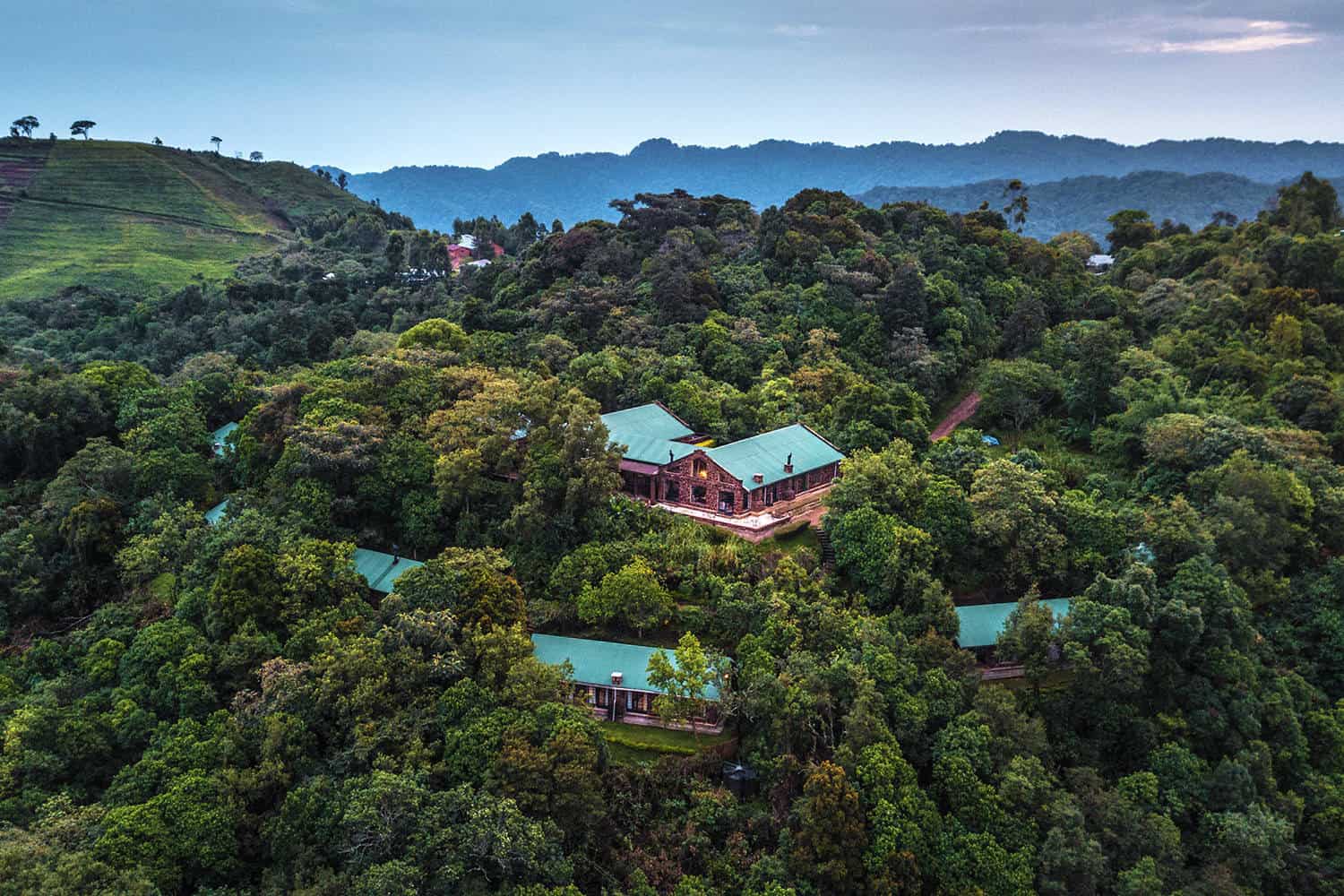
Uganda offers accommodation at every price point — from luxury forest lodges to comfortable mid-range camps and budget guesthouses. The atmosphere is more rugged and exploratory. Uganda rewards travellers who lean into the adventure and are comfortable with less predictability in exchange for genuine wilderness immersion.
Beyond the Gorillas: Wider Safari Options
Uganda’s broader safari offering is arguably unmatched in East Africa. Bwindi can be combined with chimpanzee trekking in Kibale Forest National Park, big game safaris in Queen Elizabeth and Murchison Falls National Parks, boat cruises on the Nile, and golden monkey tracking in Mgahinga. Uganda is a destination in its own right, not just a gorilla trekking stop.
Rwanda’s wildlife offering is more contained, though the country excels in cultural tourism, genocide memorial history, and the growing popularity of golden monkey trekking in Volcanoes National Park. Many travellers combine Rwanda with a Kenya or Tanzania safari to round out their trip.
The Verdict: Which Should You Choose?
Choose Uganda if: you are budget-conscious, want a longer and more immersive wilderness experience, plan to combine gorilla trekking with a broader East Africa safari, or want access to the unique Gorilla Habituation Experience.
Choose Rwanda if: you are time-constrained, prioritise luxury accommodation and easy logistics, prefer a shorter and slightly more manageable trek, or are travelling specifically for a high-end, streamlined gorilla experience.
Both are extraordinary. Neither will disappoint. But knowing which version of extraordinary matches your travel style, budget, and timeline will make all the difference.
To book a gorilla trekking safari in Uganda or Rwanda today, simply contact us now by sending an email to info@tarecgorillasafaris.com or calling +256-700135510.
Enjoy every single day
thats Very True
yahoo,im go
Message us to start planning your custom safari adventure
I love how straightforward this site keeps things from the moment you land on it. No complicated menus or hidden rules that make you scratch your head. Just a clean space to enjoy some fast paced action without any hassle. Really appreciate the quick customer service too whenever I had a quick question during a busy evening. ngaviatorgame