Uganda Gorilla Permit | Cost, Booking & Rules
A Uganda gorilla permit is the official document that allows visitors to participate in gorilla trekking in Uganda’s national parks. Without this permit, you cannot visit the endangered mountain gorillas in their natural habitat. Since gorilla permits are limited each day, booking well in advance is essential, especially during the peak safari seasons. Uganda is…
A Uganda gorilla permit is the official document that allows visitors to participate in gorilla trekking in Uganda’s national parks. Without this permit, you cannot visit the endangered mountain gorillas in their natural habitat. Since gorilla permits are limited each day, booking well in advance is essential, especially during the peak safari seasons.
Uganda is one of the world’s top gorilla trekking destinations, offering unforgettable encounters in Bwindi Impenetrable National Park and Mgahinga Gorilla National Park. Purchasing a Uganda gorilla permit not only grants access to these incredible experiences but also contributes to gorilla conservation, community development, and park management.
This guide explains everything you need to know about obtaining a Uganda gorilla permit, including costs, booking procedures, cancellation policies, and useful trekking tips.
What Is a Uganda Gorilla Permit?
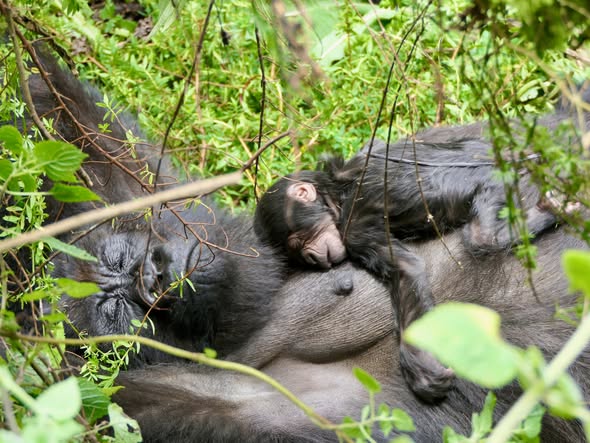
A Uganda gorilla permit is an official permit issued by the Uganda Wildlife Authority (UWA) that authorizes one person to trek a habituated mountain gorilla family for one hour after finding them.
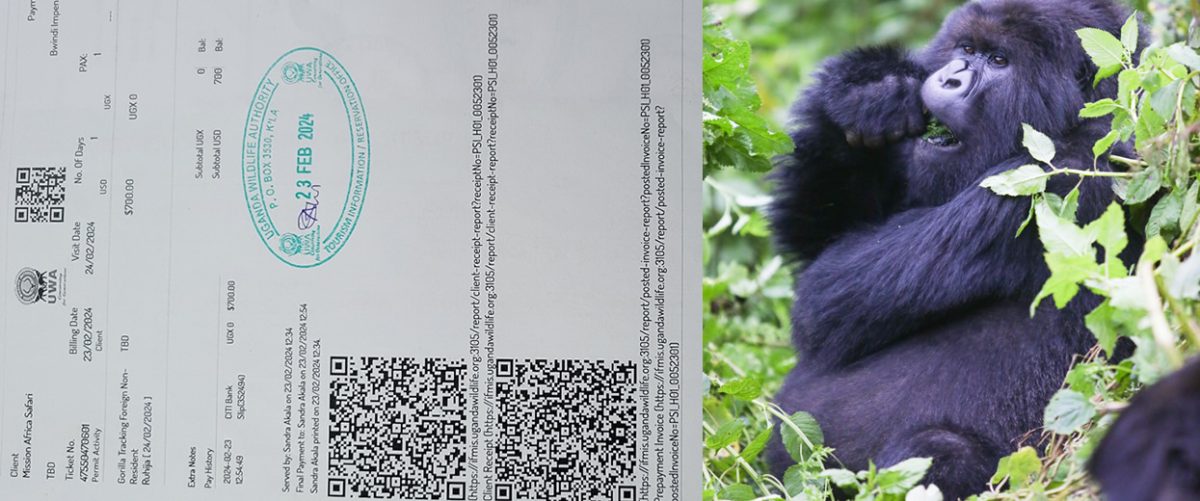
Each permit is valid for:
- One gorilla trek
- One person
- One specific date
- One designated gorilla family
- One national park
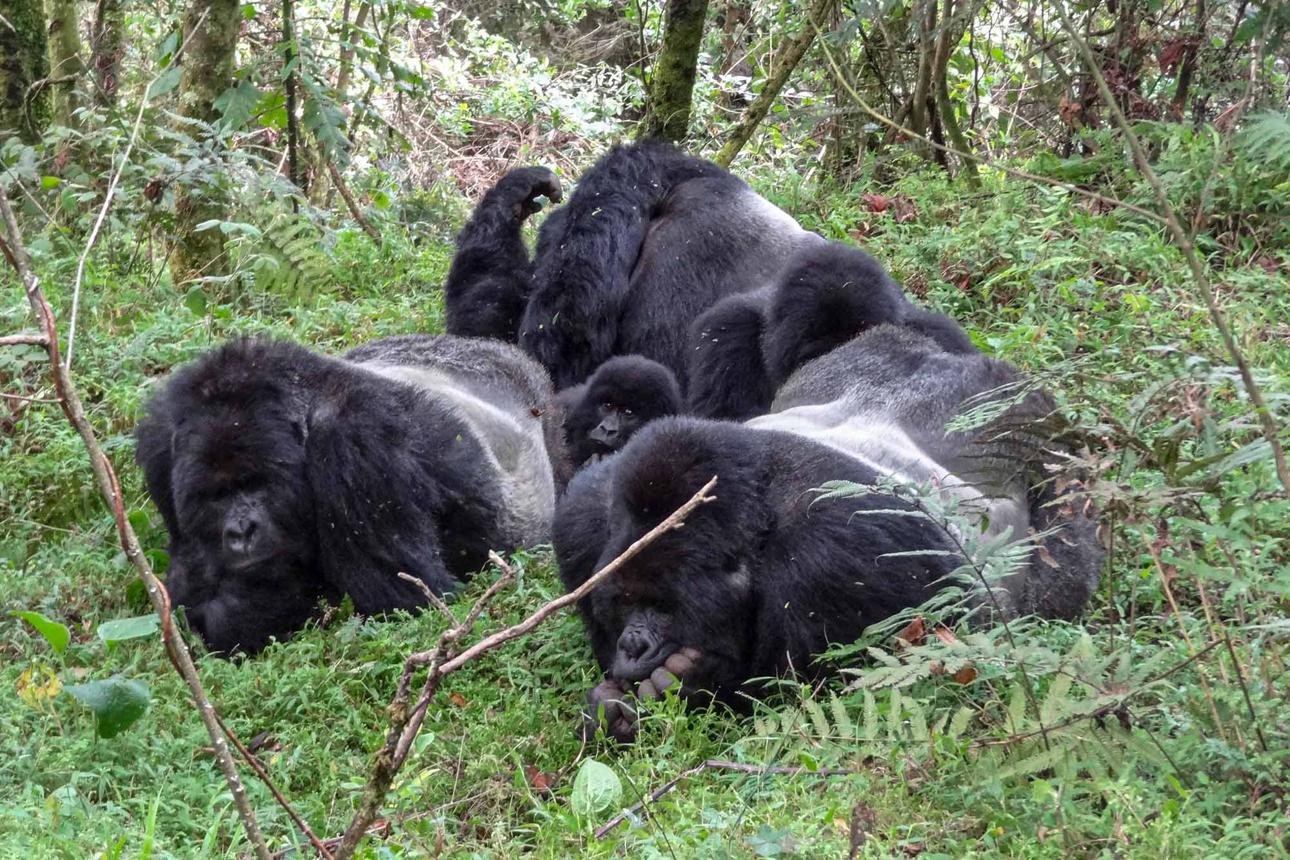
Only eight visitors are allowed to visit each gorilla family every day, making permits highly sought after throughout the year.
How Much Does a Uganda Gorilla Permit Cost?
The Uganda Wildlife Authority sets gorilla permit prices according to visitor categories.
Foreign Non-Residents
- USD 800 per person
Foreign Residents
- USD 700 per person
East African Citizens
- UGX 300,000 per person
Permit prices may change in the future, so always confirm the latest rates before booking your safari.
What Does the Uganda Gorilla Permit Include?
Your Uganda gorilla permit covers much more than simply entering the forest.
It includes:
- Gorilla trekking experience
- Professional ranger guides
- Park entrance during trekking
- Security provided by Uganda Wildlife Authority
- Gorilla conservation support
- One hour with the gorillas after locating them
What Is Not Included?
The permit does not include:
- Transportation
- Accommodation
- Meals
- Porter fees
- Tips for guides
- Personal travel insurance
- Visa fees
Many travelers book complete safari packages that include these services together with the permit.
Where Can You Use a Uganda Gorilla Permit?
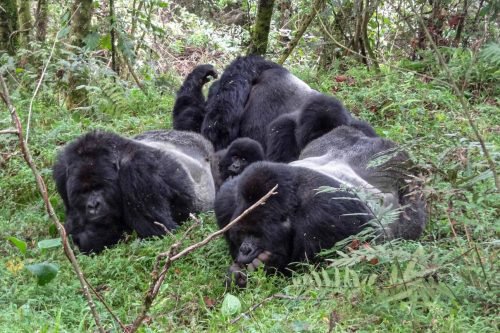
Uganda offers gorilla trekking in two national parks.
Bwindi Impenetrable National Park
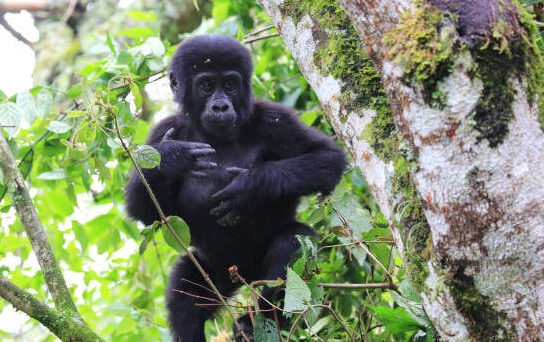
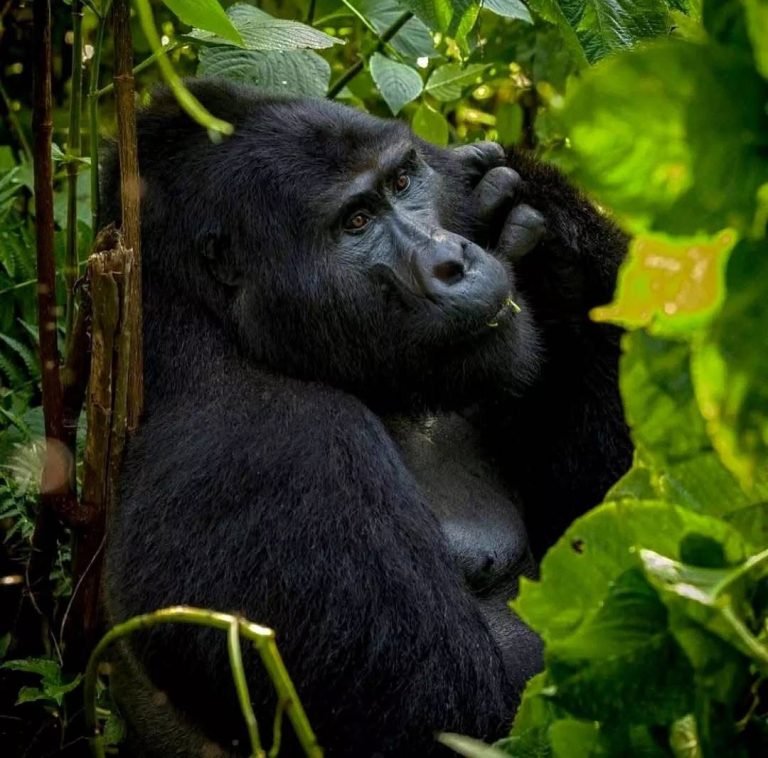
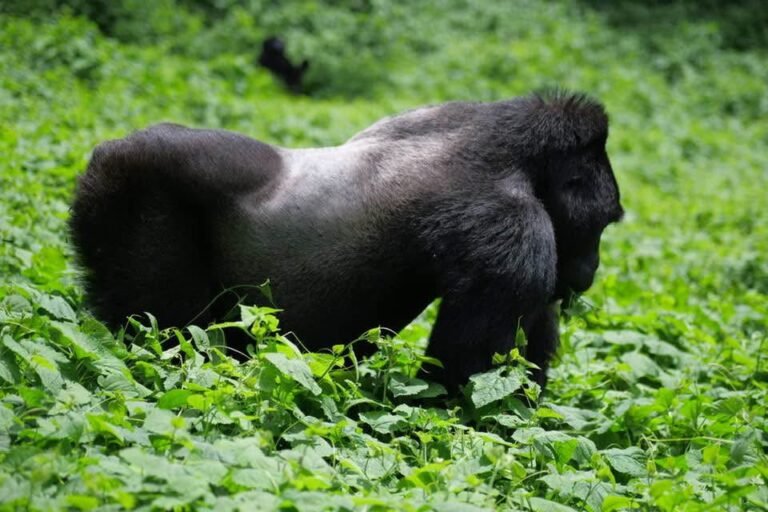
Bwindi is the country’s most popular gorilla trekking destination and hosts nearly half of the world’s remaining mountain gorillas.
The park has four trekking sectors:
- Buhoma
- Rushaga
- Ruhija
- Nkuringo
Each sector has several habituated gorilla families available for visitors.
Mgahinga Gorilla National Park
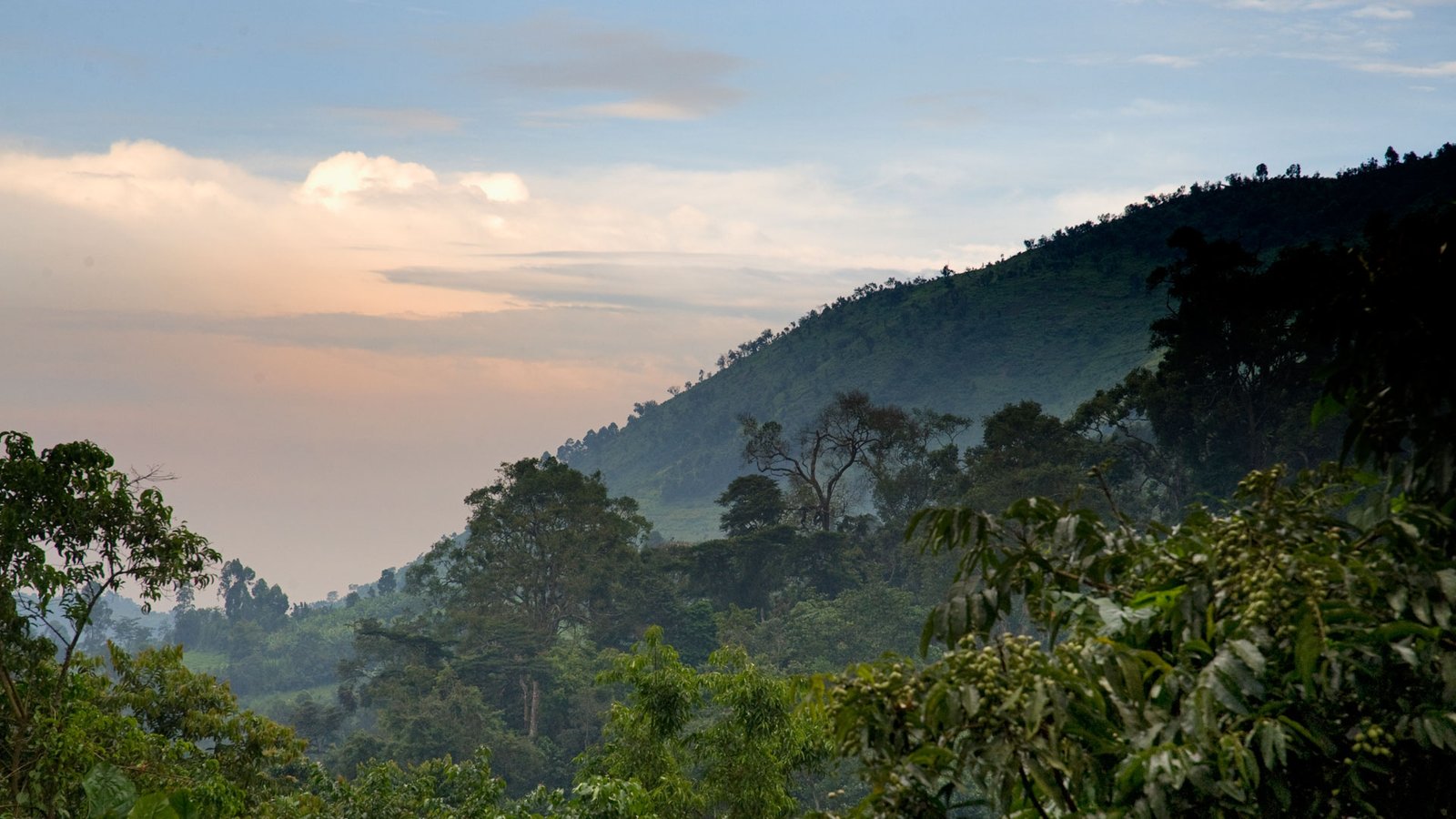
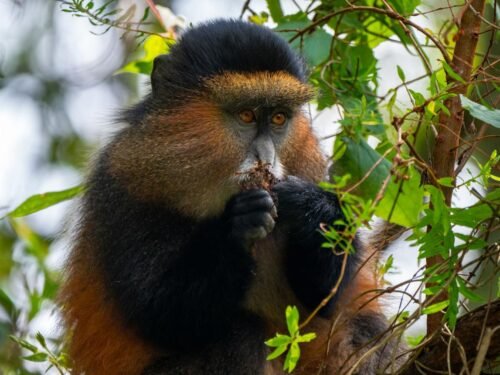
Mgahinga Gorilla National Park offers a quieter trekking experience with spectacular volcanic scenery. Visitors can also combine gorilla trekking with golden monkey tracking and volcano hiking.
How to Book a Uganda Gorilla Permit
Booking your Uganda gorilla permit is straightforward if you plan ahead.
You can:
Book Through a Licensed Tour Operator
This is the easiest and most reliable option. A reputable safari company will:
- Check permit availability
- Reserve your permit
- Arrange accommodation
- Organize transportation
- Plan your complete itinerary
Book Directly with Uganda Wildlife Authority
Travelers can also reserve permits directly through the Uganda Wildlife Authority, although this requires arranging the rest of the safari independently.
When Should You Book Your Uganda Gorilla Permit?
Because permits are limited, early booking is highly recommended.
Book:
- 6–12 months in advance for June to September
- 6–12 months in advance for December to February
- At least 3 months ahead during low seasons
Luxury lodges often sell out alongside permits, making early planning even more important.
Best Time to Use a Uganda Gorilla Permit
Gorilla trekking takes place throughout the year.
The best months include:
Dry Season
- June to September
- December to February
Benefits:
- Easier hiking trails
- Better photography
- Less rain
Wet Season
- March to May
- October to November
Advantages:
- Lush green forests
- Fewer tourists
- Better lodge discounts
Although trails can become muddy, gorilla sightings remain excellent year-round.
Age Limit for Gorilla Trekking
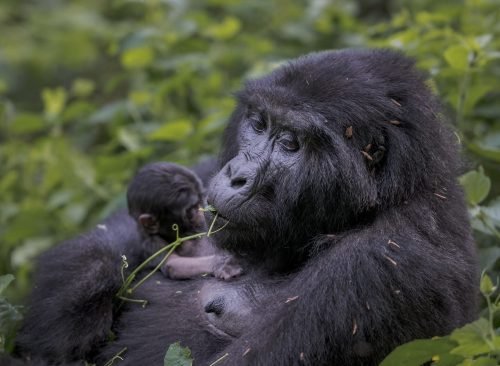
Visitors must be at least 15 years old to use a Uganda gorilla permit.
This rule helps protect the gorillas from diseases and ensures trekkers can manage the physical demands of hiking through mountainous rainforest.
Gorilla Trekking Rules
To protect the endangered mountain gorillas, all visitors must follow strict guidelines.
Important rules include:
- Keep at least 7 meters from the gorillas.
- Spend only one hour with the gorilla family.
- Do not trek if you are sick.
- Avoid loud noises.
- Do not feed the gorillas.
- Follow your ranger’s instructions.
- Flash photography is not allowed.
These regulations help ensure both visitor safety and gorilla conservation.
Why Is the Uganda Gorilla Permit Worth It?
Many travelers wonder whether the permit price is justified.
The answer is yes.
Your permit directly supports:
- Gorilla conservation
- Anti-poaching patrols
- Veterinary care
- Community development projects
- National park management
- Local employment
Every permit purchased contributes to protecting one of the world’s most endangered species.
Frequently Asked Questions
Can I buy a Uganda gorilla permit on arrival?
Sometimes, but availability is never guaranteed. Booking in advance is strongly recommended.
Can I change my trekking date?
Date changes depend on permit availability and Uganda Wildlife Authority policies.
Can I cancel my permit?
Cancellation policies vary depending on when you cancel and Uganda Wildlife Authority regulations.
Is the permit refundable?
Refunds depend on official cancellation guidelines and exceptional circumstances.
How long does gorilla trekking take?
The trek may last between 2 and 8 hours, depending on the location of the gorilla family.
What We Say
A Uganda gorilla permit is your gateway to one of the most extraordinary wildlife experiences on Earth. Whether you choose to trek in Bwindi Impenetrable National Park or Mgahinga Gorilla National Park, you’ll witness endangered mountain gorillas in their natural habitat while supporting conservation efforts that protect them for future generations.
Since permits are limited and demand is high, booking early gives you the best chance of securing your preferred travel dates. Pair your permit with a well-planned safari, and you’ll enjoy an unforgettable journey through Uganda’s spectacular landscapes, rich wildlife, and vibrant culture.
Book Your Uganda Gorilla Permit Today
Planning your gorilla trekking adventure? We can help you secure your Uganda gorilla permit, arrange comfortable accommodation, organize transportation, and create a personalized safari itinerary for an unforgettable experience in Uganda.