Self Drive vs Guided Safaris: Which Is Best for Your Uganda or Rwanda Adventure?
Planning an African safari is exciting, but one important decision should be made before your journey begins: Self Drive vs Guided Safaris. Both travel styles offer unforgettable experiences, yet they provide completely different ways of exploring Africa’s spectacular wildlife and landscapes. Therefore, choosing the right option will greatly influence your comfort, safety, budget, and overall…
Planning an African safari is exciting, but one important decision should be made before your journey begins: Self Drive vs Guided Safaris. Both travel styles offer unforgettable experiences, yet they provide completely different ways of exploring Africa’s spectacular wildlife and landscapes. Therefore, choosing the right option will greatly influence your comfort, safety, budget, and overall safari experience.
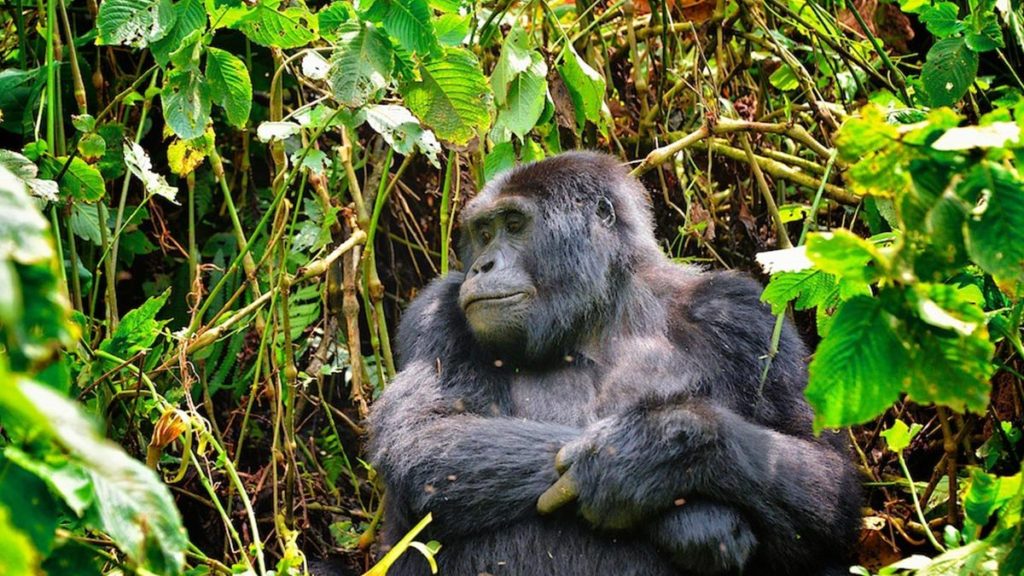
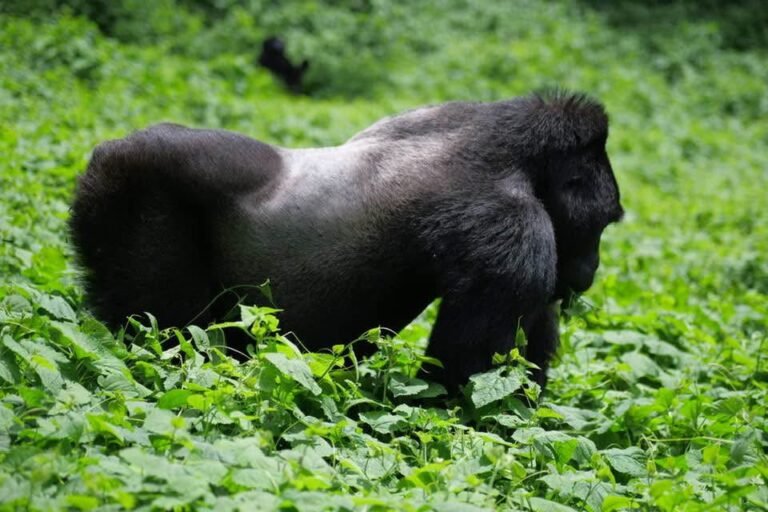
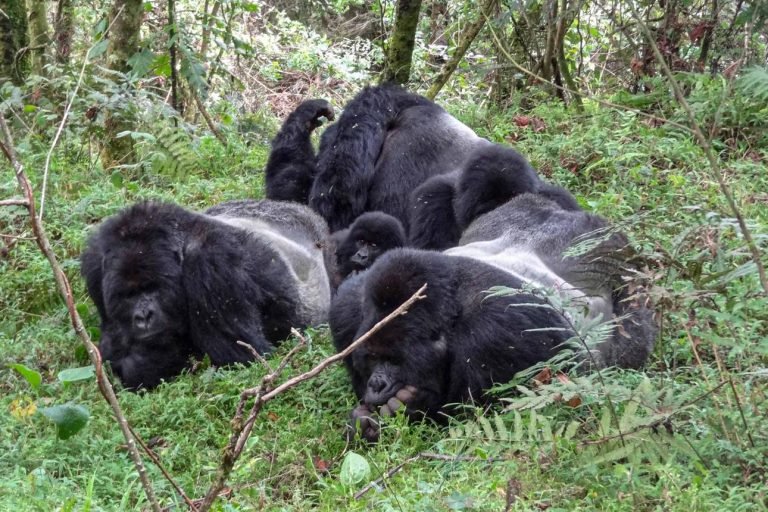
Uganda and Rwanda have become two of Africa’s most rewarding safari destinations. From tracking endangered mountain gorillas in Bwindi Impenetrable National Park and Volcanoes National Park to watching tree-climbing lions in Queen Elizabeth National Park or the Big Five in Murchison Falls National Park and Akagera National Park, unforgettable wildlife encounters are guaranteed. However, the way you experience these destinations depends on whether you choose a self-drive adventure or a professionally guided safari.
At Tarec Gorilla Safaris, we have guided travelers through Uganda and Rwanda for many years. Consequently, we understand the advantages and challenges of both options. This guide compares Self Drive vs Guided Safaris to help you make the best decision for your African adventure.
Understanding Self Drive vs Guided Safaris
Before comparing the two options, it is important to understand what each safari style involves.
A self-drive safari allows you to rent a four-wheel-drive vehicle and explore national parks independently. You are responsible for driving, navigation, accommodation check-ins, fuel, and following park regulations. Although complete freedom is offered, every decision must be made by you throughout the journey.
On the other hand, a guided safari includes an experienced driver-guide who manages every aspect of your trip. Transportation, navigation, wildlife tracking, accommodation coordination, and park logistics are all handled professionally. As a result, you can simply relax and enjoy the experience.
While both options can create lifelong memories, the level of convenience differs significantly.
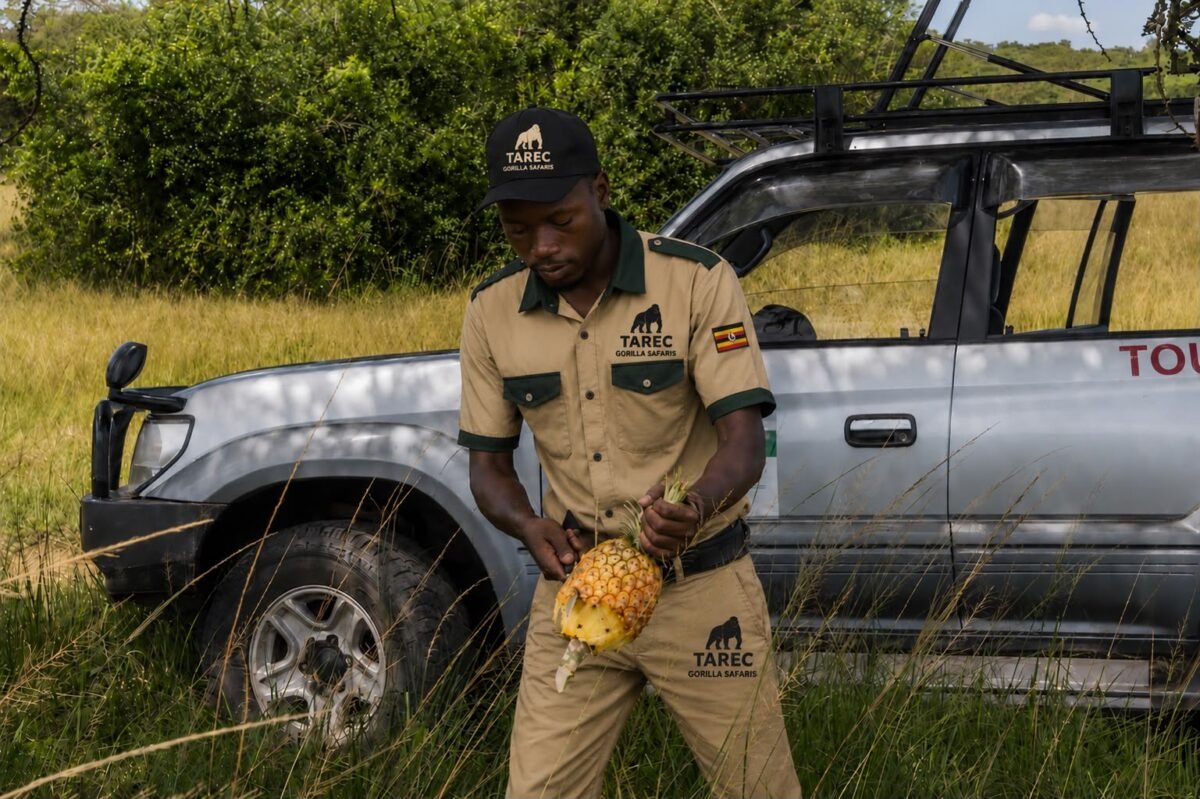
Why Uganda and Rwanda Are Perfect Safari Destinations
Uganda and Rwanda are often described as the heart of African primate tourism. Nevertheless, they also offer exceptional wildlife safaris, birdwatching, cultural experiences, and breathtaking scenery.
For example, Uganda is home to:
- Bwindi Impenetrable National Park
- Murchison Falls National Park
- Queen Elizabeth National Park
- Kibale National Park
- Lake Mburo National Park
- Kidepo Valley National Park
Similarly, Rwanda offers remarkable destinations such as:
- Volcanoes National Park
- Akagera National Park
- Nyungwe Forest National Park
- Lake Kivu
- Kigali City
Consequently, both countries provide excellent opportunities for travelers choosing either self-drive or guided safaris.
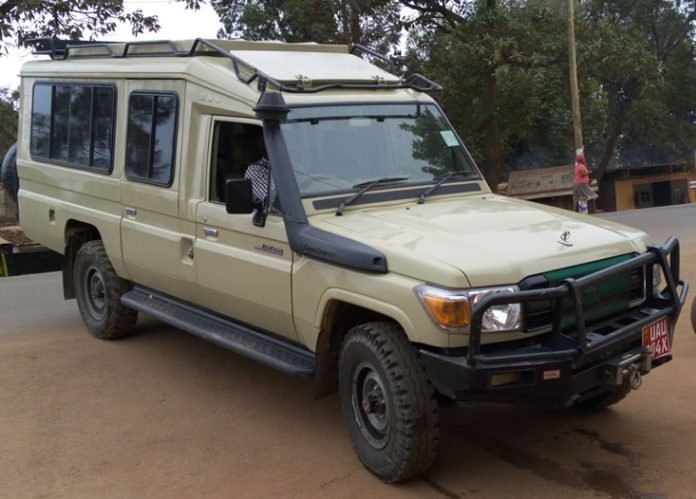
Self-Drive Safaris Explained
When considering Self Drive vs Guided Safaris, many adventurous travelers are attracted by the independence of self-driving.
A self-drive safari allows you to create your own schedule. You decide when to leave your lodge, where to stop, and how long to spend watching wildlife.
For example, while exploring Lake Mburo National Park, you may choose to spend an hour observing a herd of zebras grazing peacefully near the roadside. Likewise, you could stop to photograph giraffes without worrying about keeping pace with other travelers.
Furthermore, self-drive safaris can be ideal for experienced travelers who have previously visited East Africa and are comfortable driving on unfamiliar roads.
However, careful planning is essential because navigation, fuel stops, vehicle maintenance, and park regulations must all be managed independently.
Advantages of Self-Drive Safaris
One of the biggest benefits of self-drive travel is flexibility.
You can:
- Travel at your own pace.
- Change your itinerary whenever you wish.
- Spend extra time photographing wildlife.
- Explore lesser-known attractions.
- Enjoy greater privacy.
Moreover, some travelers appreciate the sense of adventure that comes with discovering Africa independently.
For experienced overland travelers, driving through Uganda’s countryside or Rwanda’s rolling hills can become part of the adventure itself.
Challenges of Self-Drive Safaris
Although self-driving has many advantages, several challenges should also be considered.
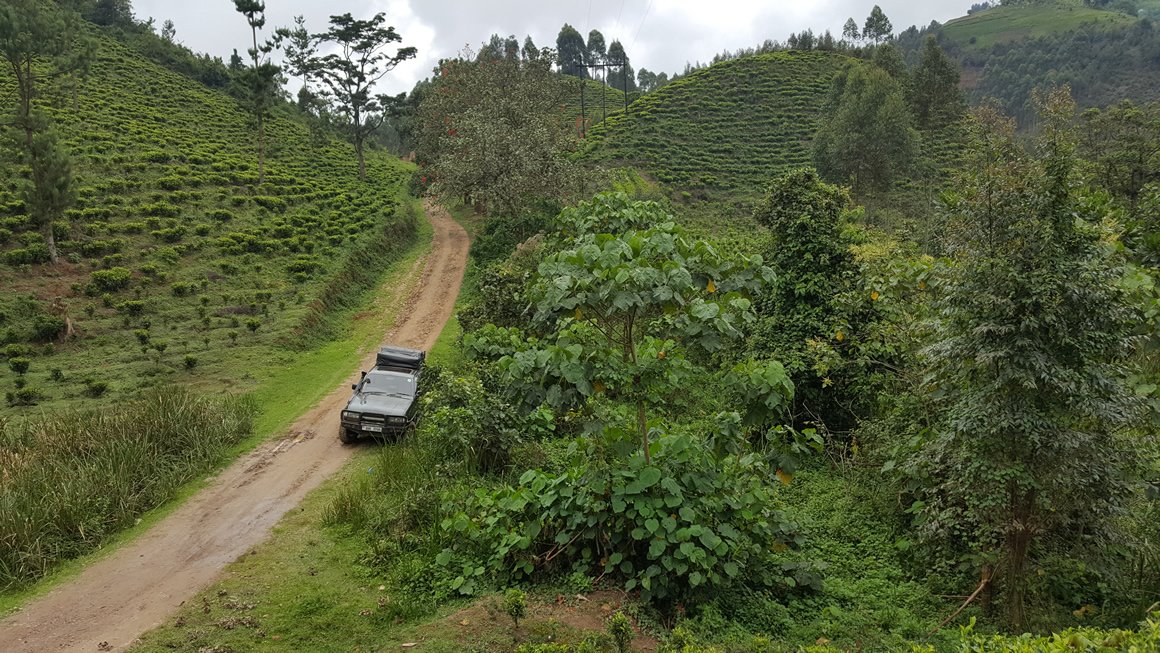
Road conditions outside major towns may vary considerably. While Rwanda has an excellent road network, many roads leading to Uganda’s national parks become rough during the rainy season.
For example, sections of the road leading to the Buhoma sector of Bwindi Impenetrable National Park may become muddy after heavy rainfall. Consequently, four-wheel-drive vehicles are strongly recommended.
Navigation can also become difficult in remote areas where mobile network coverage is limited.
Furthermore, wildlife sightings are often missed simply because visitors do not know where animals are likely to be found.
In addition, unexpected situations such as flat tires, vehicle breakdowns, or getting stuck in muddy tracks must be handled independently.
For first-time visitors, these challenges can sometimes reduce the enjoyment of the safari.
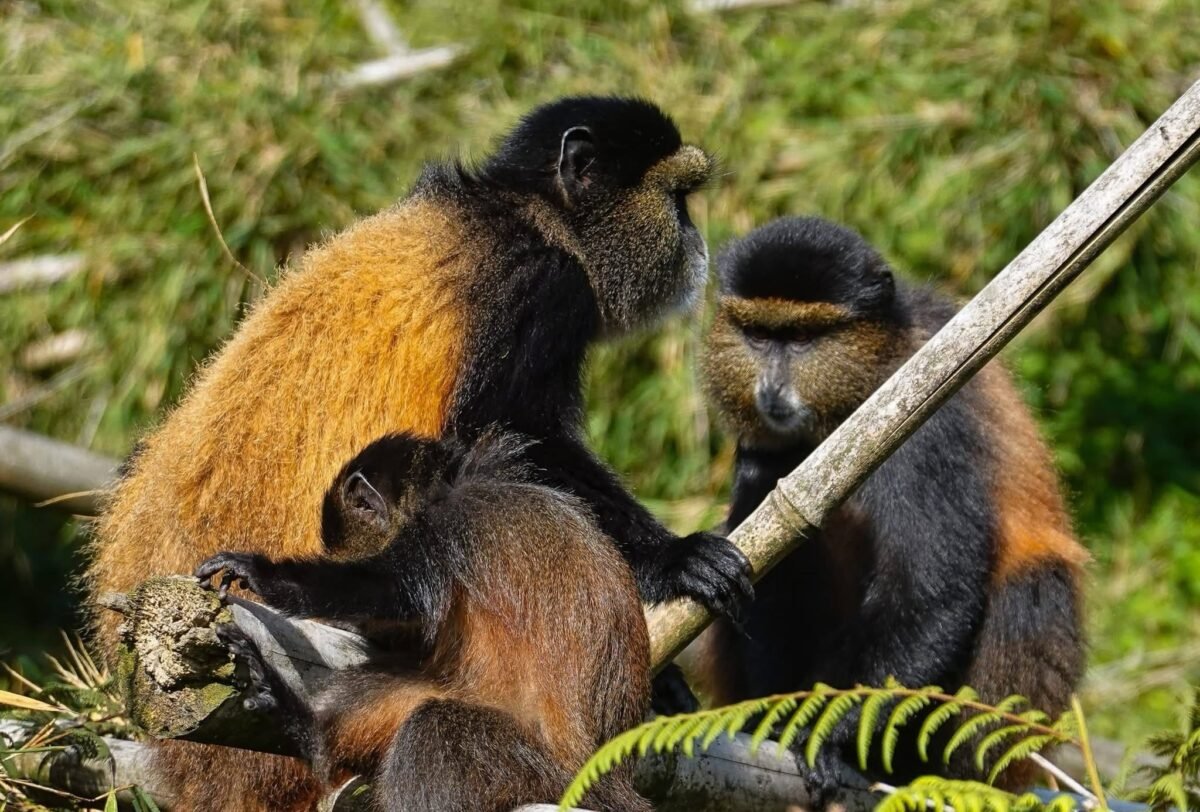
Guided Safaris Explained
When comparing Self Drive vs Guided Safaris, guided safaris are often the preferred choice for first-time visitors to Uganda and Rwanda. Although they generally cost more than self-drive trips, the additional value provided by professional guides, carefully planned itineraries, and local knowledge often outweighs the extra expense.
With a guided safari, every detail is arranged before your journey begins. Airport transfers, accommodation, park permits, transportation, meals where applicable, and daily activities are coordinated by your tour operator. Consequently, you can focus entirely on enjoying your safari instead of worrying about logistics.
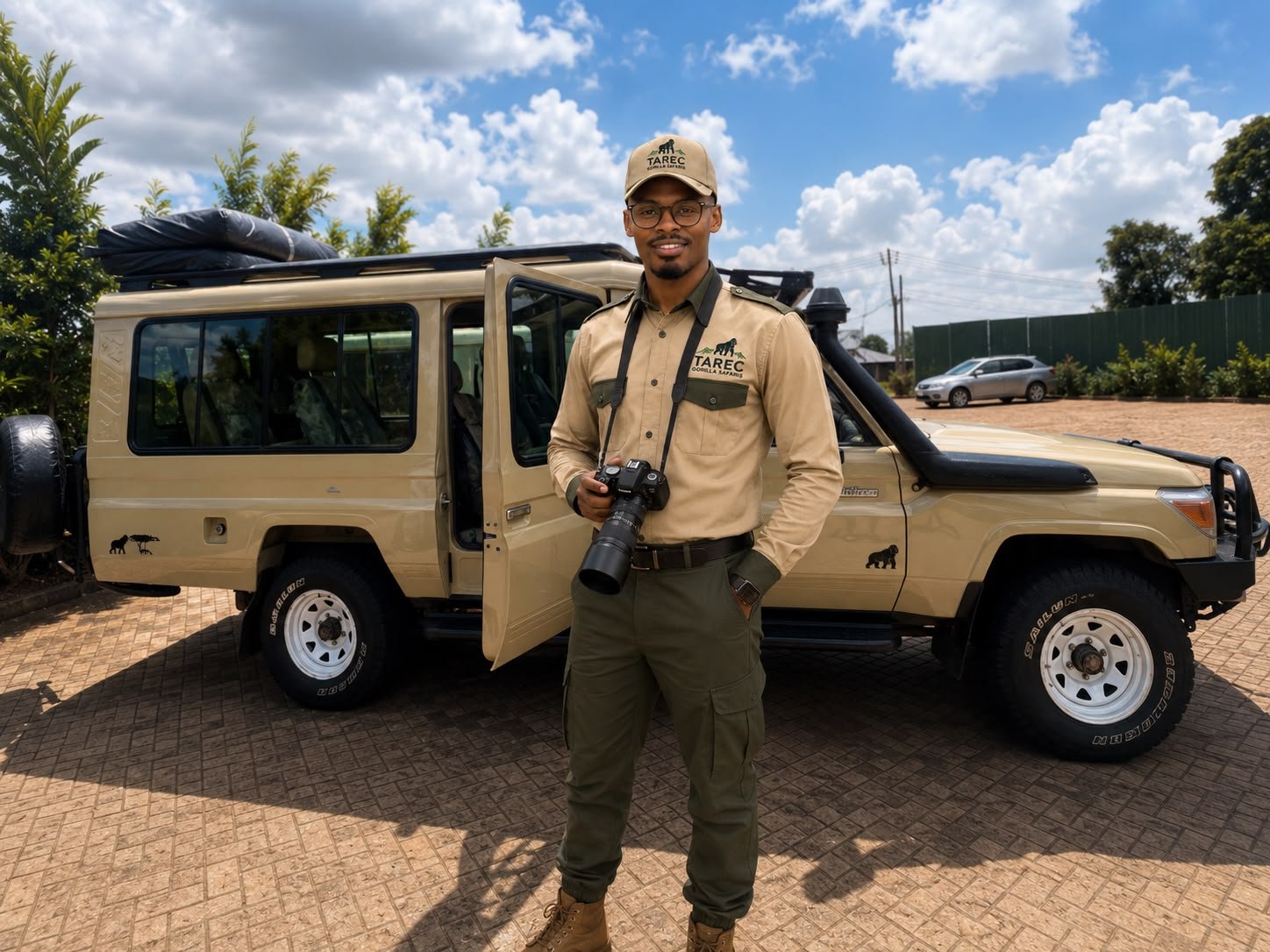
At Tarec Gorilla Safaris, every guided safari is led by experienced driver-guides who know Uganda and Rwanda’s national parks exceptionally well. Their knowledge of wildlife behavior, road conditions, and local culture allows guests to enjoy a richer and more rewarding experience.
The Benefits of Choosing a Guided Safari
There are many reasons why travelers choose guided safaris over self-drive adventures.
Expert Wildlife Tracking
One of the greatest advantages is the ability to find wildlife more efficiently.
Professional guides spend years learning animal behavior and understanding seasonal wildlife movements. Moreover, they communicate with other guides inside the parks, allowing information about recent sightings to be shared throughout the day.
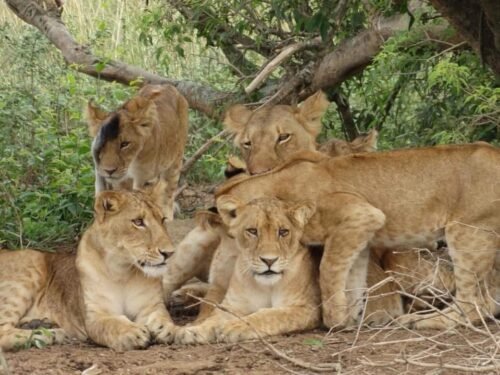
For example, during a game drive in Queen Elizabeth National Park, your guide may receive information about tree-climbing lions resting in the Ishasha Sector. Instead of searching randomly, you can drive directly to the area, greatly increasing your chances of seeing these rare predators.
Similarly, in Murchison Falls National Park, guides know where elephants, Rothschild’s giraffes, buffaloes, and lions are commonly found depending on the season.
As a result, guided safaris usually produce more wildlife sightings than self-drive safaris.
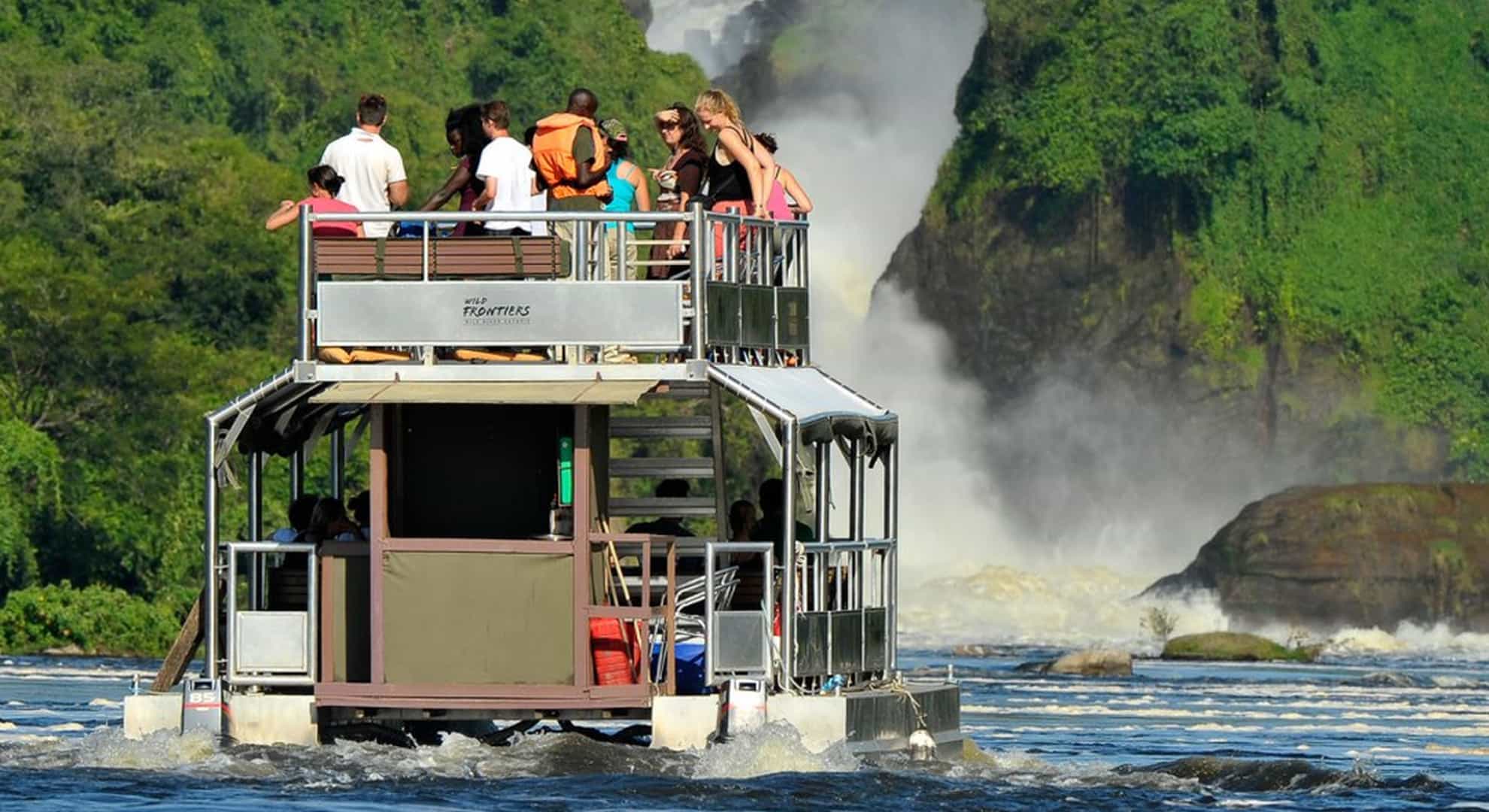
Local Knowledge Makes Every Safari More Interesting
Another important factor when considering Self Drive vs Guided Safaris is the knowledge shared by experienced guides.
Wildlife is only one part of an African safari. Throughout your journey, your guide explains:
- Animal behavior
- Bird species
- Local traditions
- Conservation projects
- History of the parks
- Plants and medicinal trees
- Community life
For example, while driving through Kibale National Park, your guide may explain how chimpanzees communicate, organize their families, and defend their territories.
Likewise, during a visit to Bwindi Impenetrable National Park, you may learn about the Batwa people, who once lived in the forest before it became a protected national park.
These stories transform an ordinary game drive into an educational and cultural experience.
Stress-Free Travel
Driving in a foreign country can sometimes be overwhelming, especially for visitors unfamiliar with African roads.
Road signs, traffic regulations, weather conditions, and unexpected delays can create unnecessary stress.
Fortunately, these concerns are eliminated during a guided safari.
Your driver handles:
- Long-distance driving
- Route planning
- Fuel stops
- Vehicle maintenance
- Park entry procedures
- Communication with lodges
Consequently, you are free to admire the scenery, photograph wildlife, and relax throughout the journey.
This benefit is especially valuable after physically demanding activities such as gorilla trekking or chimpanzee tracking.
Safety Comparison
Safety should always be considered when comparing Self Drive vs Guided Safaris.
Although Uganda and Rwanda are considered safe safari destinations, traveling with an experienced guide provides an additional level of security.
Professional guides are trained to respond appropriately if:
- Wildlife approaches the vehicle.
- Roads become difficult after heavy rain.
- Mechanical problems occur.
- Medical assistance is required.
- Weather conditions change unexpectedly.
For example, elephants occasionally cross roads in Murchison Falls National Park. An experienced guide understands how to position the vehicle safely without disturbing the animals.
Likewise, buffaloes, which may appear calm, can become unpredictable if approached too closely. A professional guide knows when it is safe to observe and when it is better to move away.
Because safety procedures are followed consistently, guided safaris provide greater peace of mind for families, older travelers, and first-time visitors.
Wildlife Viewing: Which Option Is Better?
Perhaps the biggest difference in the Self Drive vs Guided Safaris debate is wildlife viewing.
While animals can certainly be seen during self-drive safaris, professional guides significantly increase your chances of memorable encounters.
For example:
During a self-drive game drive in Murchison Falls National Park, you may drive past a leopard resting quietly in a tree simply because you do not know where to look.
However, an experienced guide immediately notices:
- Fresh animal tracks
- Alarm calls from birds
- Broken vegetation
- Dust clouds
- Recent footprints
These subtle signs help guides locate wildlife that many visitors would otherwise miss.
Consequently, guided safaris often provide more rewarding game drives.
Gorilla Trekking Requires Professional Planning
One of the strongest reasons to choose a guided safari is if your itinerary includes gorilla trekking.
Unlike ordinary game drives, gorilla trekking involves permits, scheduled briefings, early departures, and strict conservation regulations.
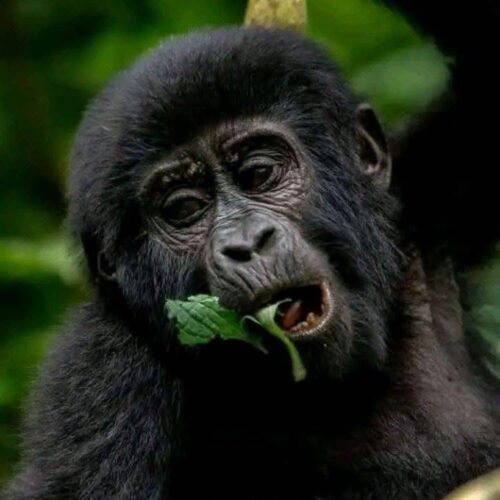
For example, visitors trekking in Bwindi Impenetrable National Park must arrive at the park headquarters early in the morning for registration and ranger briefings.
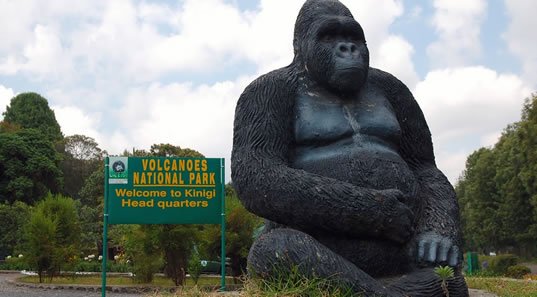
Similarly, visitors trekking in Volcanoes National Park in Rwanda must report to Kinigi headquarters before gorilla families are assigned.
Missing these briefings could result in missing your trek.
Fortunately, when traveling with Tarec Gorilla Safaris, every transfer is carefully timed to ensure that you arrive well before the required reporting time.
Moreover, our guides coordinate with park authorities and accommodation providers throughout your journey, allowing everything to run smoothly.
Photography Is Easier with a Guide
Africa offers countless photography opportunities.
However, wildlife photography requires patience, positioning, and good timing.
Professional guides understand:
- Animal movement
- Lighting conditions
- Vehicle positioning
- Safe viewing distances
For example, during sunrise in Queen Elizabeth National Park, your guide may position the safari vehicle so that the morning light falls perfectly on a pride of lions.
Likewise, while observing mountain gorillas in Bwindi, your ranger will advise visitors where to stand without disturbing the animals, creating better photography opportunities while respecting conservation rules.
As a result, photographers often return home with higher-quality images when traveling on guided safaris.
Which Option Is Better for Families?
Families traveling with children or older relatives generally benefit more from guided safaris.
Instead of concentrating on driving, parents can spend quality time with their children while learning about Africa’s incredible wildlife.
Furthermore, guides are skilled at adapting activities to suit different age groups and interests.
For example, if children become fascinated by giraffes, extra time may be spent observing them.
Similarly, bird enthusiasts may request additional stops to identify Uganda’s colorful bird species.
This flexibility creates a more enjoyable experience for everyone.
Comparing the Costs of Self Drive vs Guided Safaris
When discussing Self Drive vs Guided Safaris, cost is often one of the first considerations. At first glance, a self-drive safari may appear to be the cheaper option. However, when all expenses are added together, the difference is often smaller than many travelers expect.
For a self-drive safari, you may need to pay for:
- 4×4 vehicle rental
- Comprehensive vehicle insurance
- Fuel
- Park entrance fees
- Gorilla or chimpanzee permits
- Accommodation
- Meals
- Navigation tools or GPS
- Recovery services if the vehicle becomes stuck
- Parking fees where applicable
For example, if your rental vehicle develops a mechanical problem while traveling to Kidepo Valley National Park, you may face unexpected repair costs or delays. Likewise, getting stuck on muddy roads during the rainy season could require paid recovery assistance.
On the other hand, guided safari packages offered by Tarec Gorilla Safaris usually combine transportation, accommodation, professional guiding, and itinerary planning into one package. Consequently, travelers know their costs in advance and are less likely to encounter unexpected expenses.
Although guided safaris generally require a larger initial investment, they often provide better value because professional services, local expertise, and logistical support are included.
Who Should Choose a Self-Drive Safari?
While guided safaris are ideal for many visitors, self-drive adventures can still be an excellent choice for certain travelers.
A self-drive safari may be suitable if you:
- Have previous safari experience.
- Enjoy independent travel.
- Feel confident driving a 4×4 vehicle.
- Prefer creating your own itinerary.
- Have plenty of travel time.
- Are comfortable using maps and GPS.
- Want complete flexibility during your journey.
For example, experienced overland travelers exploring Lake Mburo National Park or Akagera National Park may appreciate the freedom to stop whenever they wish for photography or birdwatching.
However, careful planning is essential because you will be responsible for every aspect of the trip.
Who Should Choose a Guided Safari?
For most visitors, especially those visiting East Africa for the first time, a guided safari offers a more enjoyable and rewarding experience.
A guided safari is recommended if you:
- Are visiting Uganda or Rwanda for the first time.
- Plan to go gorilla trekking.
- Want to maximize wildlife sightings.
- Prefer stress-free travel.
- Are traveling with family.
- Have limited vacation time.
- Want to learn from local experts.
- Prefer someone else to manage logistics.
For instance, a couple visiting Uganda for eight days may wish to combine Bwindi Impenetrable National Park, Queen Elizabeth National Park, and Kibale National Park. With a professional guide from Tarec Gorilla Safaris, transportation, accommodation, park permits, and activity schedules are coordinated seamlessly. As a result, the travelers can focus entirely on enjoying gorilla trekking, chimpanzee tracking, and game drives without worrying about directions or travel arrangements.
Real Safari Examples
To better understand the difference between Self Drive vs Guided Safaris, consider these real-world examples.
Example 1: Gorilla Trekking in Bwindi
A traveler rents a 4×4 and drives from Entebbe to Bwindi. Along the way, road diversions and poor weather slow the journey, resulting in a late arrival at the lodge. The following morning, the traveler struggles to locate the correct park briefing point because it is their first visit.
In contrast, guests traveling with Tarec Gorilla Safaris are collected by an experienced guide who knows the route, schedules rest stops, coordinates with the lodge, and ensures they arrive at the briefing on time. Consequently, the experience begins smoothly and without unnecessary stress.
Example 2: Game Drive in Queen Elizabeth National Park
During a self-drive game drive, visitors may spend hours searching for lions without success because they are unfamiliar with the animals’ preferred habitats.
Meanwhile, a professional guide receives updates from other guides about a pride resting near the Kasenyi Plains. As a result, guests are taken directly to the sighting and have ample time to observe and photograph the lions.
Example 3: Exploring Rwanda
A self-drive traveler visiting Akagera National Park enjoys the freedom to explore independently but may overlook hidden wildlife because there is no guide to interpret animal tracks or bird calls.
Conversely, a guided safari provides insights into animal behavior, conservation efforts, and the park’s remarkable recovery, making the experience both educational and memorable.
Why Most Travelers Choose Guided Safaris
After comparing Self Drive vs Guided Safaris, it becomes clear why guided safaris remain the most popular choice.
Guided safaris provide:
- Greater safety
- Better wildlife sightings
- Professional planning
- Local knowledge
- Comfortable transportation
- Stress-free travel
- Educational experiences
- Reliable support throughout the journey
Moreover, professional guides often become one of the highlights of the safari itself. Their stories, knowledge, and passion for conservation add depth to every game drive, nature walk, and cultural visit.
At Tarec Gorilla Safaris, we believe that a safari should be more than simply seeing animals it should be an opportunity to understand Africa’s incredible wildlife, landscapes, and people.
Frequently Asked Questions
Is a self-drive safari safe in Uganda?
Yes, self-drive safaris can be safe when you plan carefully, follow park regulations, and drive responsibly. However, guided safaris provide additional security and local expertise, especially for first-time visitors.
Which is cheaper: Self Drive vs Guided Safaris?
Self-drive safaris often have a lower upfront cost. However, additional expenses such as fuel, insurance, recovery services, and navigation can increase the total cost. Guided safaris include many of these services in one package, offering excellent overall value.
Can I go gorilla trekking on a self-drive safari?
Yes. However, you must arrange your gorilla permit, accommodation, transportation, and park schedule yourself. Many travelers prefer guided safaris because these arrangements are handled professionally.
Are guided safaris worth the extra cost?
For many travelers, yes. Professional guides improve wildlife sightings, manage logistics, provide valuable information, and reduce travel-related stress.
Which option is best for first-time visitors?
A guided safari is generally the better choice for first-time visitors to Uganda and Rwanda because it offers convenience, safety, and expert guidance throughout the journey.
Therefore, We Say That
Choosing between Self Drive vs Guided Safaris ultimately depends on your travel style, experience, and expectations. If you enjoy independence, have experience driving in unfamiliar environments, and are comfortable planning every aspect of your trip, a self-drive safari can be a rewarding adventure.
However, if you want to maximize wildlife sightings, enjoy expert interpretation, travel safely, and experience a seamless journey, a guided safari is the better option. This is especially true for activities such as gorilla trekking in Bwindi Impenetrable National Park or Volcanoes National Park, where careful planning and local knowledge make a significant difference.
At Tarec Gorilla Safaris, we specialize in creating unforgettable guided safaris across Uganda and Rwanda. Whether you dream of meeting endangered mountain gorillas, tracking chimpanzees in Kibale Forest, cruising along the Kazinga Channel, or searching for the Big Five in Murchison Falls National Park, our experienced team is ready to make your journey exceptional.
Our tailor-made safaris include comfortable accommodation, reliable 4×4 transportation, experienced driver-guides, gorilla and chimpanzee permit arrangements, and personalized itineraries designed around your interests and budget.
Contact Tarec Gorilla Safaris today and let us help you choose the perfect safari experience. With our local expertise and commitment to exceptional service, your adventure in Uganda and Rwanda will become a lifetime memory.