All You Need to Know About Gorilla Trekking in Africa
Gorilla trekking in Africa is one of the most extraordinary wildlife experiences in the world. Instead of watching animals from a safari vehicle, travelers walk through ancient forests in search of endangered mountain gorillas living in their natural habitat. The experience takes place mainly in Uganda, Rwanda, and the Democratic Republic of Congo, where mountain…
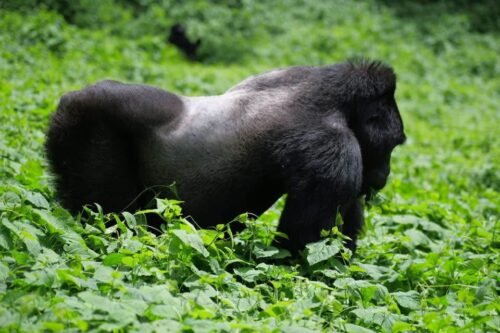
Gorilla trekking in Africa is one of the most extraordinary wildlife experiences in the world. Instead of watching animals from a safari vehicle, travelers walk through ancient forests in search of endangered mountain gorillas living in their natural habitat.
The experience takes place mainly in Uganda, Rwanda, and the Democratic Republic of Congo, where mountain gorillas are protected within national parks and conservation areas.
For many travelers, seeing a mountain gorilla only a few meters away is a once-in-a-lifetime experience. However, proper preparation is important because gorilla trekking involves hiking through mountainous rainforest, changing weather conditions, and strict conservation rules.
This guide explains everything you need to know before planning your gorilla trekking in Africa adventure.
Where Can You Go Gorilla Trekking in Africa?
Mountain gorilla trekking is currently available in three countries:
- Uganda
- Rwanda
- Democratic Republic of Congo
Uganda offers gorilla trekking in Bwindi Impenetrable National Park and Mgahinga Gorilla National Park.
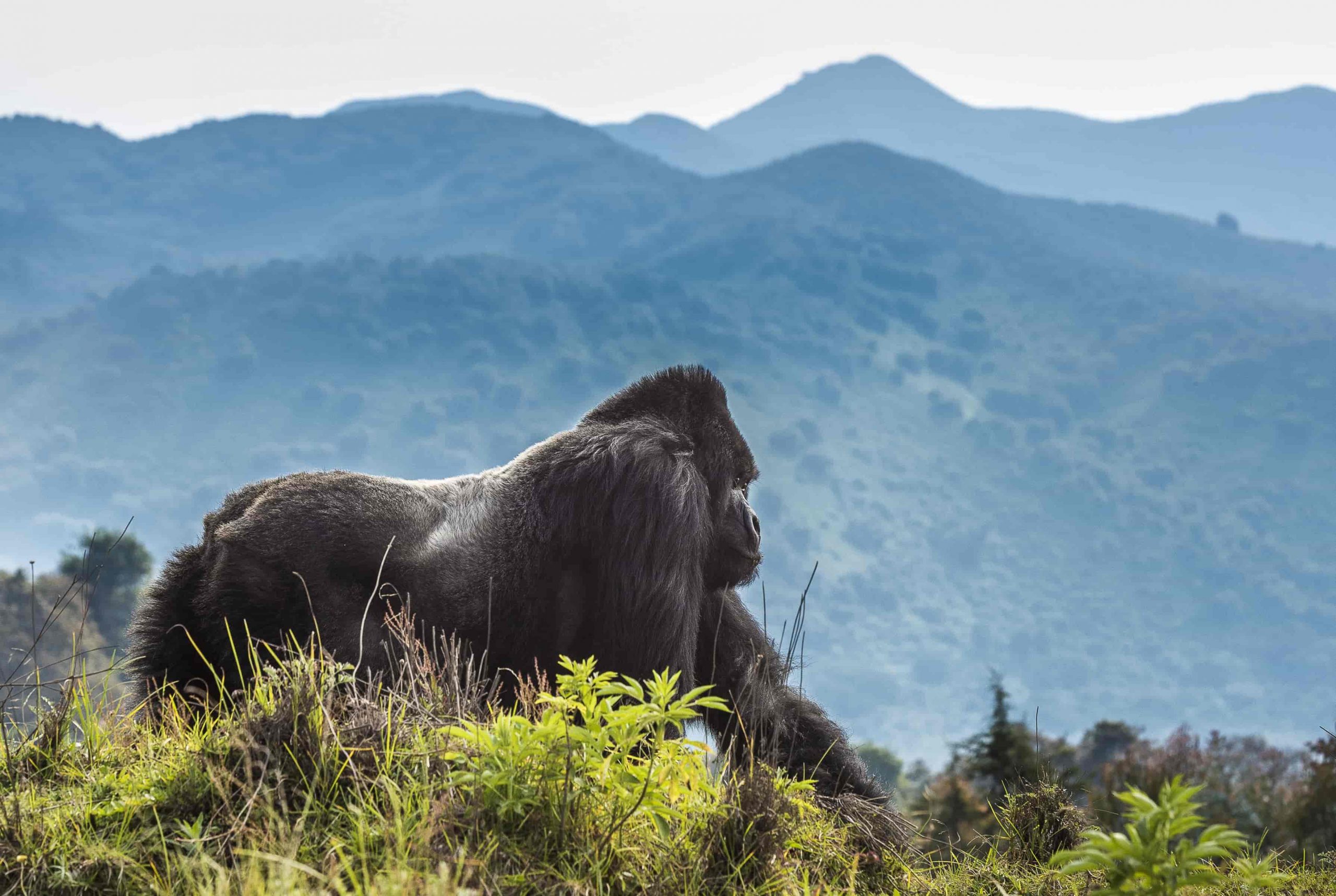
Rwanda offers gorilla trekking in Volcanoes National Park, part of the larger Virunga mountain ecosystem.
The Democratic Republic of Congo offers gorilla trekking in Virunga National Park, although travelers should carefully check current travel and security conditions before planning a visit.
Uganda and Rwanda are particularly popular choices for international travelers because they offer established tourism infrastructure and well-organized gorilla experiences.
Gorilla Trekking in Uganda
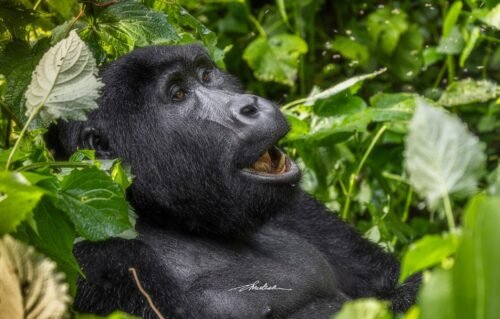
Uganda is one of the best destinations for gorilla trekking in Africa.
The majority of Uganda’s gorilla trekking takes place in Bwindi Impenetrable National Park. The park is divided into four main trekking sectors:
- Buhoma
- Ruhija
- Rushaga
- Nkuringo
Each sector provides access to different habituated gorilla families.
Uganda also has another gorilla trekking destination, Mgahinga Gorilla National Park, located in the Virunga Mountains.
One major advantage of choosing Uganda is that visitors can also participate in gorilla habituation, a longer experience that allows more time with a gorilla group that is still undergoing habituation.
Gorilla Trekking in Rwanda
Rwanda is another popular destination for gorilla trekking in Africa.
The activity takes place in Volcanoes National Park, which protects part of the Virunga mountain range.
One of Rwanda’s major advantages is accessibility. Volcanoes National Park is relatively close to Kigali, making it possible to organize shorter gorilla trips.
Rwanda can also be combined with other experiences, including Kigali city tours, cultural visits, Akagera National Park and Nyungwe National Park.
What Is Gorilla Trekking?
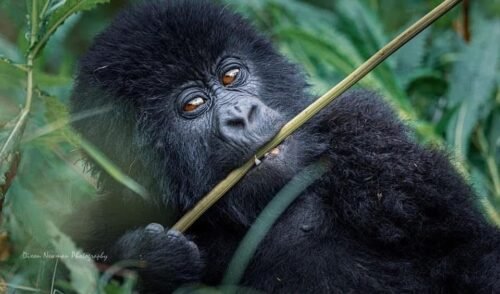
Gorilla trekking involves hiking through the forest in search of a habituated mountain gorilla family.
Before entering the forest, visitors receive a briefing about safety and gorilla trekking rules. Trained guides and trackers then lead the group into the forest.
The trek can take several hours depending on where the gorilla family is located.
Once the gorillas are found, visitors are allowed a designated period to observe them.
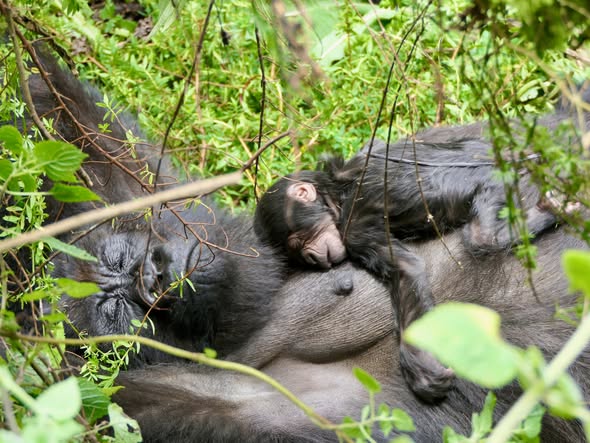
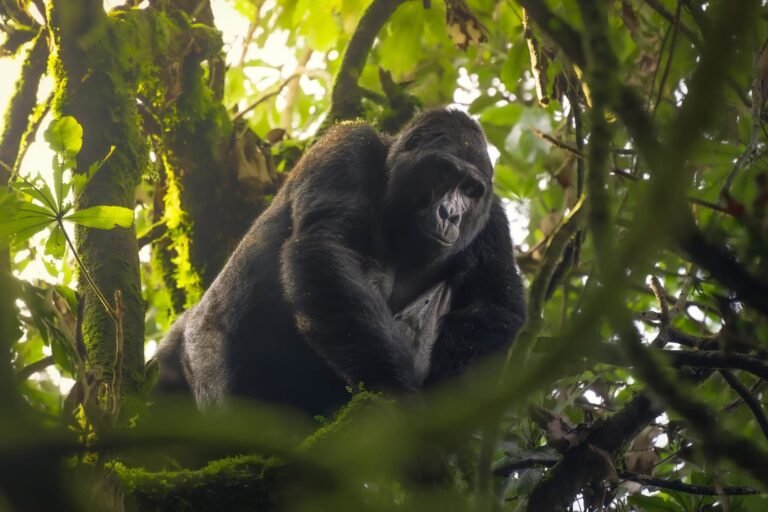
During the encounter, you may see gorillas feeding, grooming, resting, playing, climbing or caring for their young.
Every trek is different because gorillas move freely through their natural habitat.
What Is Gorilla Habituation?
Gorilla habituation is different from standard gorilla trekking.
During habituation, visitors spend more time with a gorilla group that is still becoming accustomed to human presence.
In Uganda, gorilla habituation is offered in the southern part of Bwindi.
The experience is particularly suitable for travelers who want a deeper understanding of gorilla behavior and conservation.
It is also attractive to wildlife photographers, researchers and travelers who want a longer forest experience.
Gorilla Trekking vs Gorilla Habituation
The main difference is the amount of time spent with the gorillas and the type of gorilla group being visited.
Gorilla trekking provides a shorter encounter with a fully habituated gorilla family.
Gorilla habituation provides a longer experience with a group that is still undergoing habituation.
Therefore, your choice should depend on your interests, available time and budget.
How Much Does Gorilla Trekking Cost?
The cost of gorilla trekking varies between countries and can change as tourism authorities update permit prices.
The total cost of a gorilla safari normally includes more than the permit.
Travelers should also budget for:
- Accommodation
- Transportation
- Meals
- Guide services
- Park activities
- Porter services
- Flights where necessary
- Visa and travel insurance costs
Uganda is often considered a more budget-friendly option compared with Rwanda, although the final cost depends heavily on accommodation and the length of the safari.
Always confirm current gorilla permit prices before making a booking.
How Difficult Is Gorilla Trekking?
Gorilla trekking can be physically demanding.
Bwindi and the Virunga region are mountainous environments, and trails can be steep, muddy and uneven.
The trek may involve:
- Walking uphill
- Descending steep slopes
- Moving through thick vegetation
- Crossing muddy trails
- Hiking for several hours
However, the difficulty varies from one trek to another.
The location of the gorilla family on the day of your trek has a major influence on the amount of hiking required.
You do not have to be an expert mountaineer, but reasonable physical fitness is recommended.
What Should You Pack for Gorilla Trekking?
Packing the right equipment can make your trek much more comfortable.
Essential items include:
- Sturdy hiking boots
- Long trousers
- Long-sleeved shirts
- Waterproof jacket
- Gardening gloves
- Insect repellent
- Reusable water bottle
- Small backpack
- Camera
- Extra socks
- Hat
- Sunglasses
- Waterproof bags
- Personal medication
Because rain can occur even during relatively dry periods, waterproof clothing should not be forgotten.
When Is the Best Time for Gorilla Trekking?
Gorilla trekking can be done throughout the year.
However, many travelers prefer the drier seasons because trails are generally easier to navigate.
In Uganda and Rwanda, the commonly preferred periods include:
- June to September
- December to February
Nevertheless, both destinations are located in rainforest environments. Rain can therefore occur at any time.
The wetter seasons can also offer advantages, including lush vegetation and potentially fewer tourists.
Gorilla Trekking Safety Rules
Gorilla trekking is carefully regulated to protect both visitors and gorillas.
Travelers are expected to follow the instructions of guides and park authorities.
Important rules include maintaining the required distance from gorillas, avoiding sudden movements, keeping voices low and never feeding or touching the animals.
Visitors who are sick may also be restricted from trekking because diseases can potentially be transmitted between humans and gorillas.
These rules are essential for responsible gorilla tourism.
Why Is Gorilla Trekking Important for Conservation?
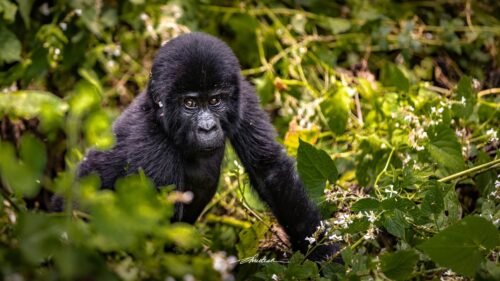
Gorilla tourism contributes significantly to conservation.
Permit revenues help support protected areas, ranger activities, community programs and wildlife conservation.
Tourism also provides employment opportunities for guides, trackers, porters, drivers, lodge staff and other people living around gorilla habitats.
For this reason, responsible gorilla tourism can provide benefits to both wildlife and local communities.
How Close Can You Get to Gorillas?
Gorillas may sometimes come surprisingly close during a trek.
However, visitors are required to maintain the official distance established by park authorities.
The distance is important because mountain gorillas are susceptible to human diseases.
You should never attempt to touch a gorilla, even if the animal approaches you.
Your guide will explain the appropriate behavior during the briefing.
Can Children Go Gorilla Trekking?
Age restrictions apply to gorilla trekking, and the minimum age is generally 15 years.
Families traveling with younger children should consider alternative wildlife and cultural activities.
Always confirm current age requirements with the relevant wildlife authority or your safari operator before booking.
How Long Should a Gorilla Safari Take?
The length of your safari depends on what else you want to see.
A short trip can focus mainly on gorilla trekking.
However, a longer itinerary allows you to combine gorillas with other African wildlife experiences.
For example, a Uganda itinerary could combine:
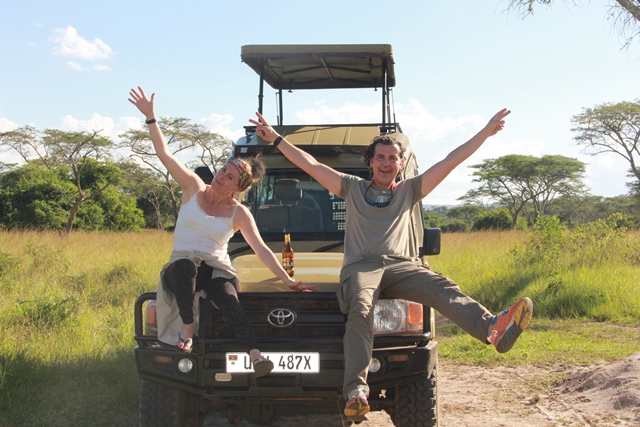
Kibale Forest + Queen Elizabeth National Park + Bwindi
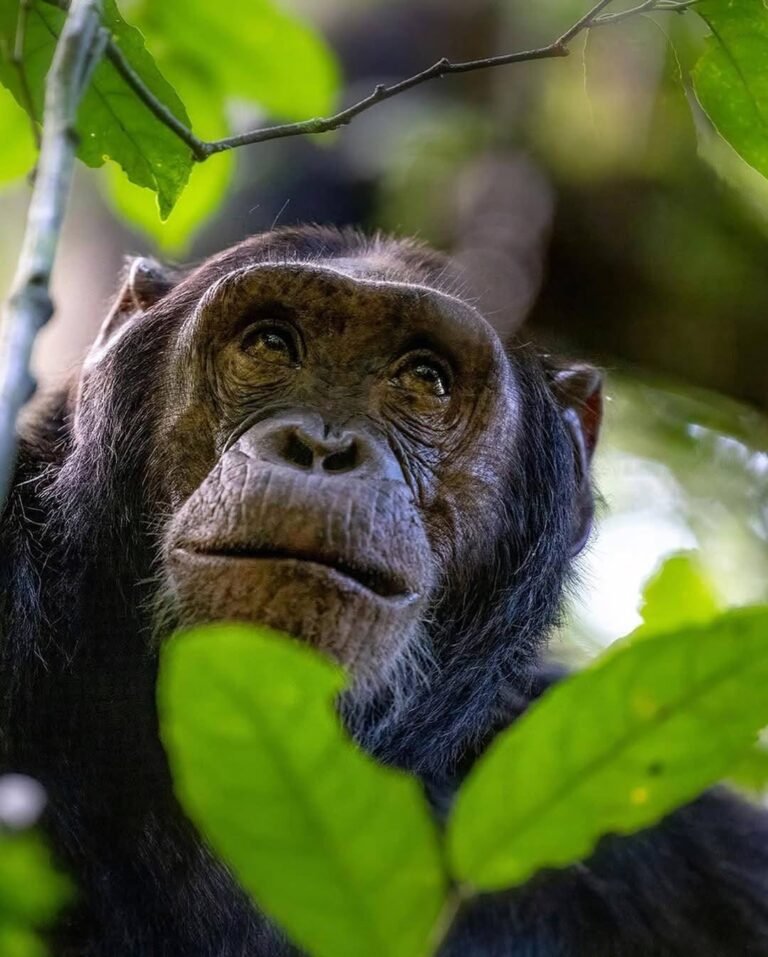
This allows travelers to experience chimpanzee trekking, savannah wildlife and mountain gorillas during one journey.
A Rwanda trip could combine gorilla trekking with Kigali, Akagera National Park and Nyungwe Forest.
Why Choose Tarec Gorilla Safaris?
Planning gorilla trekking in Africa involves more than booking a permit.
The right trekking sector, accommodation, transportation and safari route should be selected according to your travel dates, interests and budget.
At Tarec Gorilla Safaris, we help travelers plan customized gorilla safaris in Uganda and Rwanda.
Our services can include:
- Gorilla trekking permits
- Gorilla habituation experiences
- Accommodation
- Safari transportation
- Professional driver-guides
- Wildlife safaris
- Cultural experiences
- Airport transfers
- Customized itineraries
Whether you are planning a short gorilla trip or a longer East African safari, we can help create an itinerary around your interests.
Frequently Asked Questions About Gorilla Trekking in Africa
Which countries offer gorilla trekking in Africa?
Mountain gorilla trekking is available in Uganda, Rwanda and the Democratic Republic of Congo.
Is Uganda or Rwanda better for gorilla trekking?
Both offer excellent experiences. Uganda is often attractive to travelers looking for more affordable options and longer safari combinations, while Rwanda is known for convenient access from Kigali.
How long does gorilla trekking take?
The duration varies depending on the location of the gorilla family. The actual trek can take several hours.
Is gorilla trekking difficult?
It can be physically demanding because the forests are mountainous and trails can be steep and muddy.
What is the best month for gorilla trekking?
There is no single best month. Many travelers prefer June to September and December to February because conditions are often drier.
Do I need a gorilla trekking permit?
Yes. A valid permit is required before participating in gorilla trekking.
Can I take photographs?
Yes. Photography is permitted, but visitors must follow the instructions of their guides and avoid using flash photography around gorillas.
Final Thoughts
Gorilla trekking in Africa provides an opportunity to experience one of the world’s most remarkable wildlife encounters.
Whether you choose the forests of Uganda or the mountains of Rwanda, the experience goes beyond simply seeing gorillas. It connects travelers with rainforest ecosystems, conservation efforts and communities that help protect these endangered animals.
With proper preparation, the right safari operator and respect for conservation guidelines, your gorilla trek can become one of the most memorable experiences of your African adventure.
Ready to meet the mountain gorillas? Contact Tarec Gorilla Safaris today and let us help you plan your Uganda or Rwanda gorilla trekking adventure.