Things to Know Before Your First Gorilla Trek in Rwand
Planning your first encounter with mountain gorillas is exciting, but proper preparation is just as important as the trek itself. Things to Know Before Your First Gorilla Trek in Rwanda should be understood well before you arrive, as they can make the difference between an enjoyable adventure and an unnecessarily challenging experience. Every year, thousands…
Planning your first encounter with mountain gorillas is exciting, but proper preparation is just as important as the trek itself. Things to Know Before Your First Gorilla Trek in Rwanda should be understood well before you arrive, as they can make the difference between an enjoyable adventure and an unnecessarily challenging experience. Every year, thousands of travelers journey to Rwanda with the dream of meeting these gentle giants. Fortunately, the experience has been carefully managed to protect both visitors and the endangered gorillas.
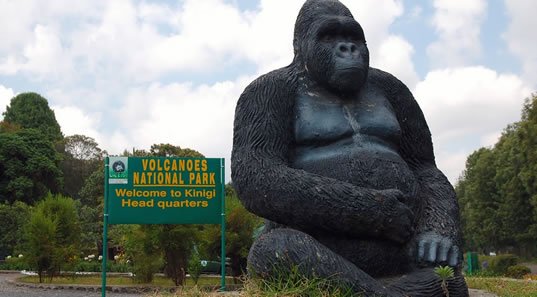
Rwanda has earned an international reputation for offering one of the most organized wildlife experiences in Africa. Moreover, its excellent road network, clean cities, luxury lodges, and outstanding conservation efforts have made it one of the world’s premier gorilla trekking destinations. The country’s famous Volcanoes National Park, located in the northern district of Musanze, shelters several habituated mountain gorilla families that can be visited under the supervision of highly trained park rangers.
Unlike a traditional safari where wildlife is viewed from the comfort of a vehicle, a gorilla trek involves hiking through dense bamboo forests, volcanic slopes, and mist-covered mountains. As a result, preparation should never be overlooked. At Tarec Gorilla Safaris, every safari is carefully planned so that guests can focus on enjoying this once-in-a-lifetime wildlife encounter.
Why Rwanda Is One of the Best Places for Gorilla Trekking
Rwanda may be one of Africa’s smallest countries, yet it offers one of its greatest wildlife experiences. Although mountain gorillas are also found in Uganda and the Democratic Republic of Congo, Rwanda continues to attract travelers seeking convenience, comfort, and exceptional service.
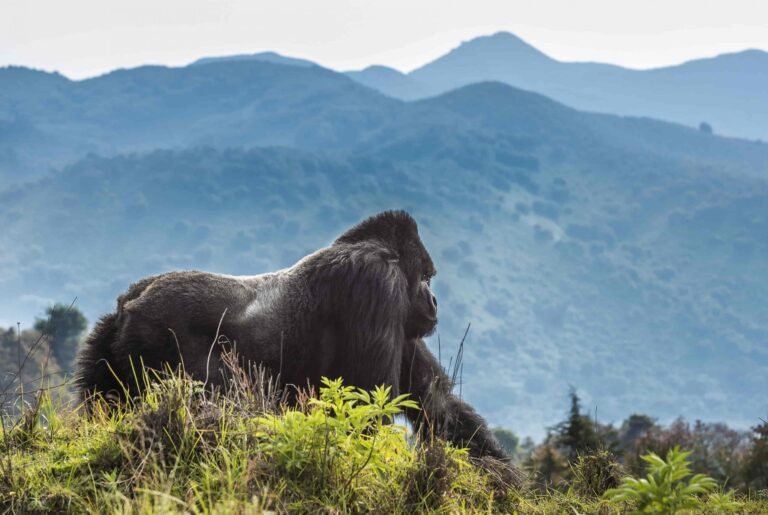
The gorillas are protected inside Volcanoes National Park, which forms part of the larger Virunga Conservation Area. Furthermore, the park is home to approximately one-third of the world’s remaining mountain gorillas. Through conservation programs, anti-poaching patrols, veterinary care, and community tourism initiatives, these incredible primates have been given a better chance of survival.
For example, the famous Susa Gorilla Family, once studied by renowned primatologist Dian Fossey, remains one of the most celebrated gorilla groups in the park. Likewise, families such as Amahoro, Kwitonda, Agashya, and Hirwa continue to provide unforgettable trekking experiences for visitors from around the world.
Because of Rwanda’s well-maintained roads, travelers can drive from Kigali International Airport to Volcanoes National Park in only about two and a half hours. Consequently, even short itineraries can include a rewarding gorilla trekking adventure.
Gorilla Permits Should Be Booked Months in Advance
Among the most important Things to Know Before Your First Gorilla Trek in Rwanda is the need to secure a gorilla permit well before traveling.
Only eight visitors are allowed to visit each habituated gorilla family per day. Therefore, permits are often sold out several months in advance, particularly during the peak seasons between June and September and from December to February.
Currently, Rwanda’s gorilla trekking permit costs US$1,500 for most international visitors. Although the price may seem high, much of the revenue is invested in conservation efforts and local community development. Schools, health centers, roads, and conservation projects have all benefited from tourism revenue generated by gorilla trekking.
For example, many communities around Kinigi have seen employment opportunities increase through guiding, porter services, handicraft markets, and eco-tourism initiatives. As a result, local residents have become active partners in protecting mountain gorillas rather than viewing wildlife as a threat.
Booking your permit through Tarec Gorilla Safaris ensures that accommodation, transportation, and permit reservations are coordinated seamlessly, reducing the stress of planning.
Your Physical Fitness Will Influence Your Experience
Many first-time travelers assume that gorilla trekking is only suitable for experienced hikers. However, this is not entirely true.
Although professional athletes are certainly not required, a reasonable level of fitness is recommended. Depending on where your assigned gorilla family is located, the trek may last between one and six hours before the gorillas are found.
For instance, visitors assigned to the Sabyinyo Gorilla Family, which often remains closer to the park boundary, may enjoy relatively shorter hikes. On the other hand, those visiting the famous Susa Family may be required to hike much higher into the Virunga Mountains because this family frequently moves into elevated bamboo forests.
Consequently, regular walking, light hiking, or climbing stairs for several weeks before your trip can significantly improve your overall trekking experience.
Prepare for Rapidly Changing Mountain Weather
Another of the essential Things to Know Before Your First Gorilla Trek in Rwanda is that the weather in Volcanoes National Park can change within minutes. Although Rwanda experiences two main dry seasons, rainfall can occur at almost any time because the park lies within a tropical montane rainforest.
For example, many visitors begin their trek under clear blue skies, only to find themselves hiking through cool mist or light rain an hour later. Consequently, waterproof clothing should always be packed, regardless of the season.
Temperatures generally range between 10°C and 20°C, while the altitude of over 2,400 meters (7,900 feet) makes the mornings noticeably cooler than many travelers expect. Therefore, dressing in layers is highly recommended, as clothing can easily be removed once the hike becomes more strenuous.
Moreover, waterproof hiking boots with good ankle support should be worn because muddy trails are commonly encountered, particularly during the rainy months of March to May and October to November.
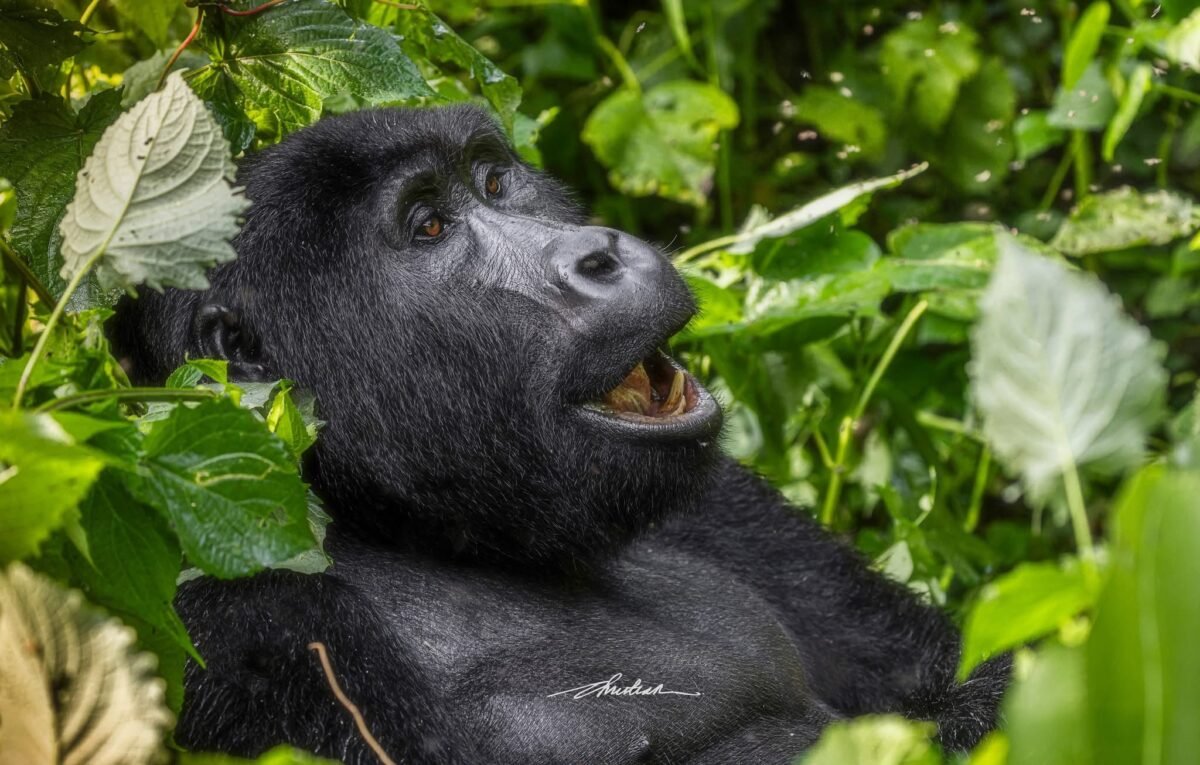
Pack the Right Equipment for a Comfortable Trek
Packing wisely is one of the most overlooked Things to Know Before Your First Gorilla Trek in Rwanda. While expensive equipment is not required, a few essential items will greatly improve your comfort throughout the day.
It is recommended that you pack:
- Waterproof hiking boots
- Long-sleeved shirts
- Long hiking trousers
- Lightweight rain jacket
- Gardening or trekking gloves
- A reusable water bottle
- High-energy snacks
- Sunscreen
- Sunglasses
- Insect repellent
- A small daypack
- Camera with extra batteries
- Walking stick (often provided at the park)
Furthermore, bright-colored clothing should be avoided where possible. Neutral colors such as green, brown, or khaki blend naturally into the forest environment and are generally preferred.
Because the trails can become extremely slippery after rainfall, trekking poles are often appreciated by first-time hikers. Fortunately, walking sticks are usually provided free of charge before the trek begins.
Hiring a Porter Benefits Everyone
Many visitors mistakenly believe that porters are only needed by elderly travelers. However, this assumption is rarely true.
In fact, one of the smartest decisions you can make is hiring a porter at the park headquarters. For a modest fee, your backpack will be carried, assistance will be provided on steep slopes, and support will be offered when crossing muddy sections.
For example, during treks to the Kwitonda Gorilla Family, where the terrain can become steep after heavy rain, porters are often invaluable. Their local knowledge and physical assistance make the experience much more enjoyable.
Moreover, hiring a porter has a positive social impact. Many porters are former poachers who have found sustainable employment through tourism. Consequently, every porter hired contributes directly to wildlife conservation and community development.
Gorilla Trekking Rules Must Be Respected
Among the most important Things to Know Before Your First Gorilla Trek in Rwanda are the strict conservation rules that protect mountain gorillas.
Because mountain gorillas share approximately 98% of their DNA with humans, they are highly susceptible to human illnesses such as influenza, COVID-19, and the common cold. As a result, several health and safety regulations have been introduced by park authorities.
Visitors are expected to:
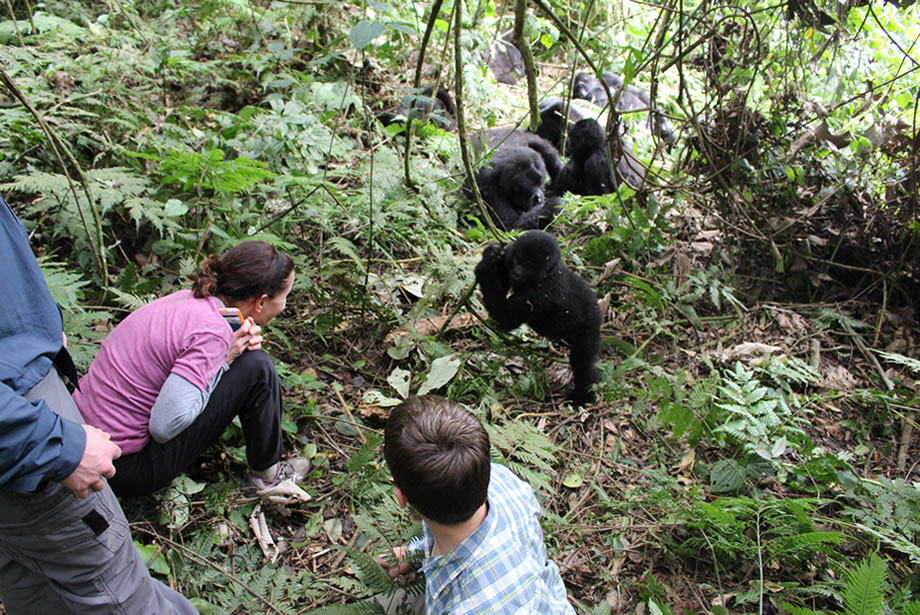
- Maintain a distance of at least seven meters whenever possible.
- Follow the instructions given by the ranger at all times.
- Keep voices low while observing the gorillas.
- Never feed or touch the gorillas.
- Avoid sudden movements.
- Switch off camera flash before taking photographs.
- Cover your mouth when coughing or sneezing.
- Stay behind the ranger if a gorilla approaches.
- Refrain from trekking if you are unwell.
These regulations have been carefully designed to minimize stress on the gorillas while ensuring that visitors enjoy a safe and memorable encounter.
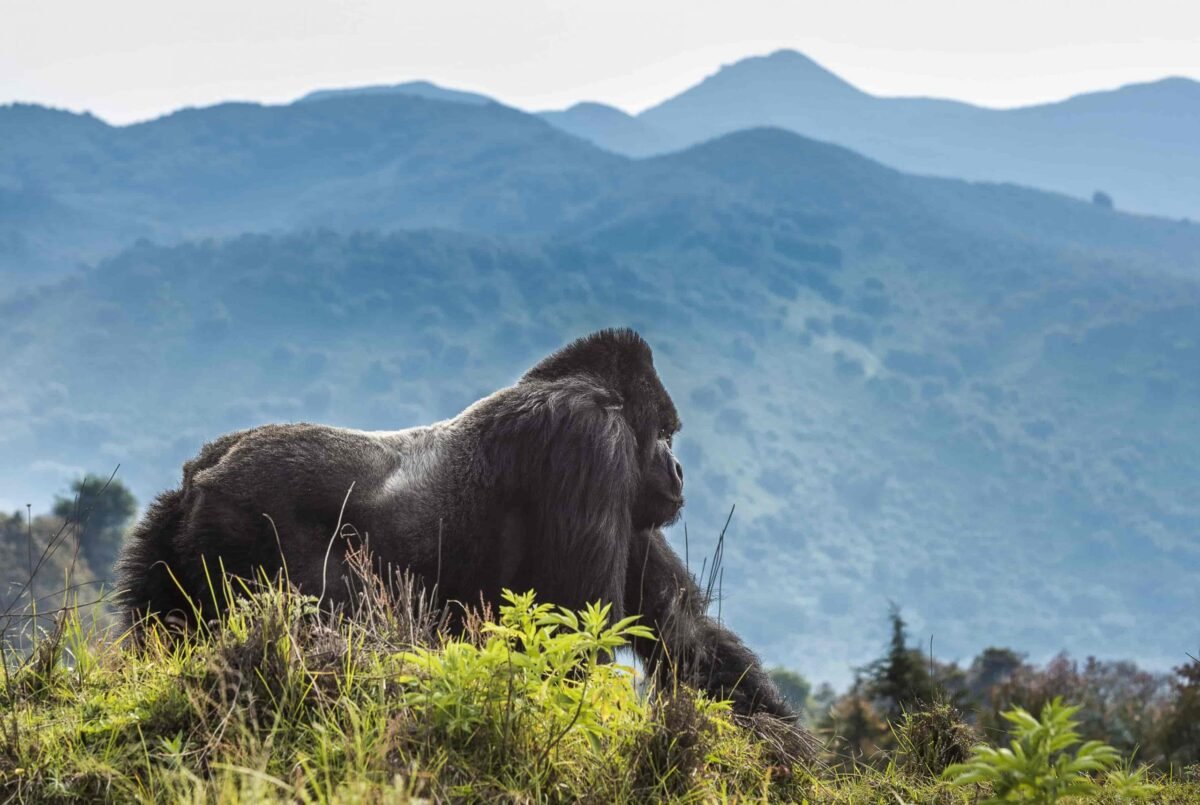
You Will Spend Only One Hour with the Gorillas
Many first-time visitors are surprised to learn that the actual viewing time is limited to one hour.
Although the hike may last several hours, only sixty minutes are allowed once the gorilla family has been located. Nevertheless, this hour is often described as life-changing.
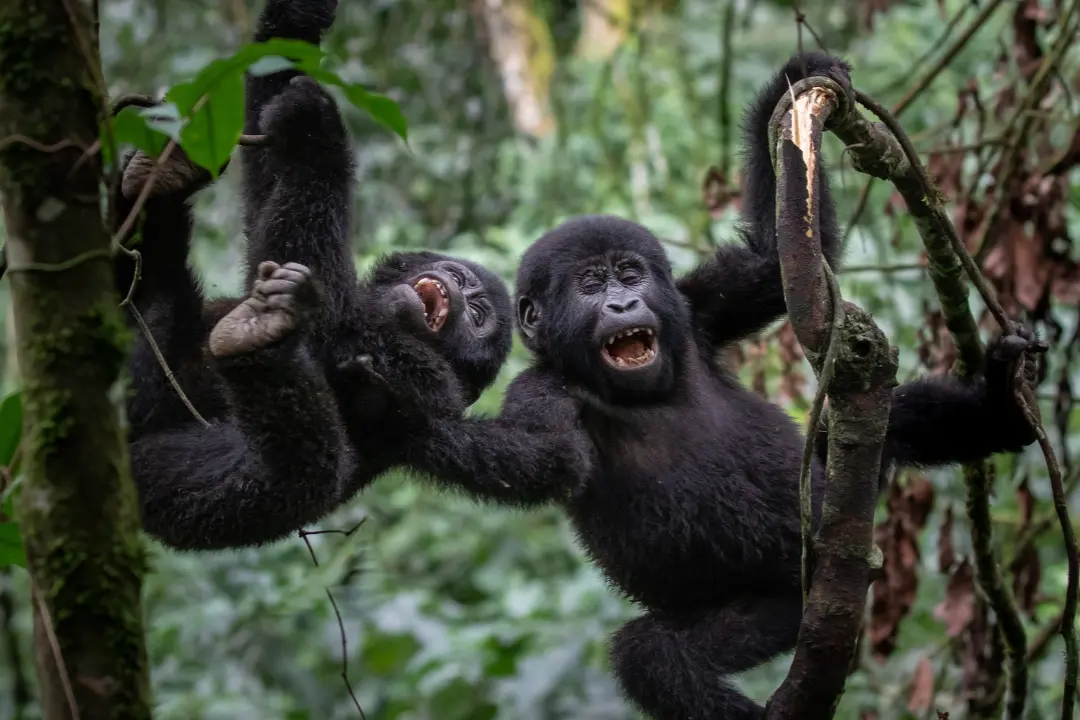
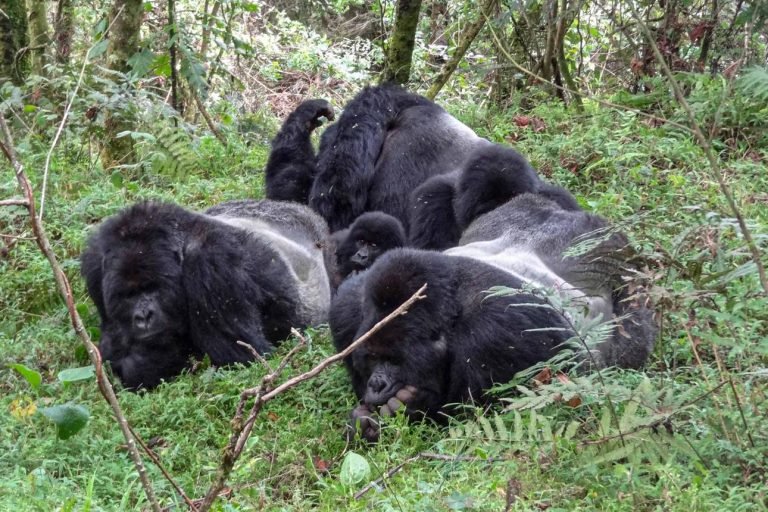
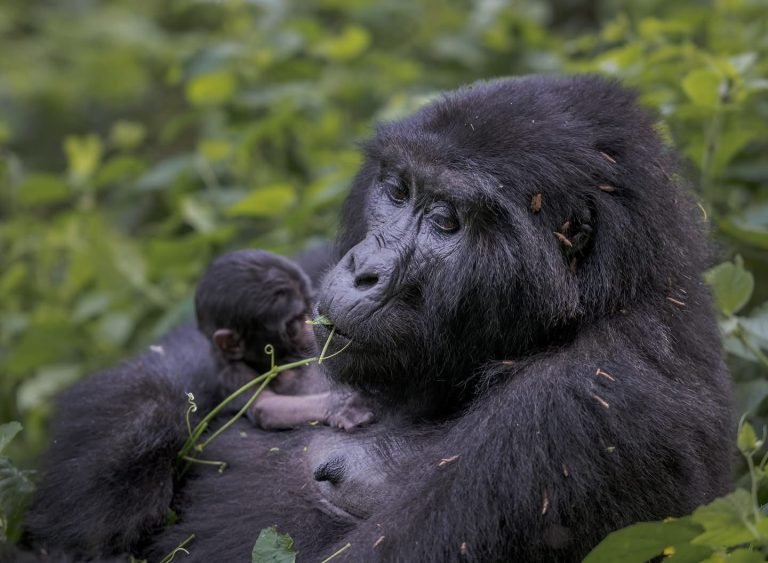
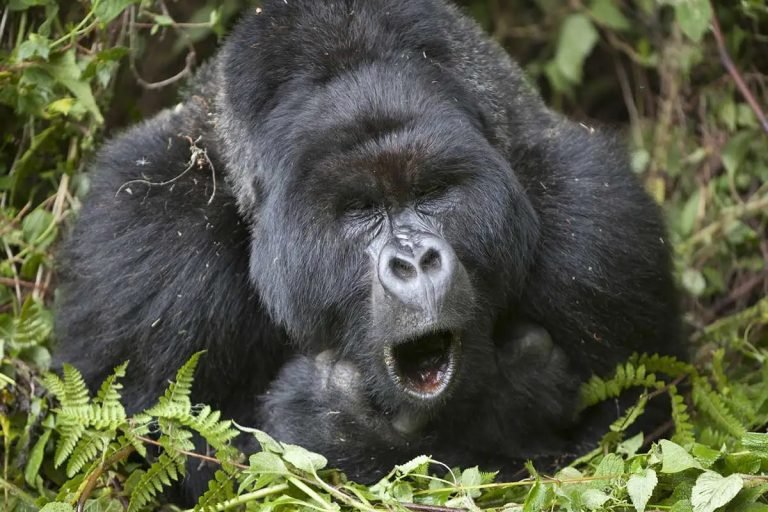
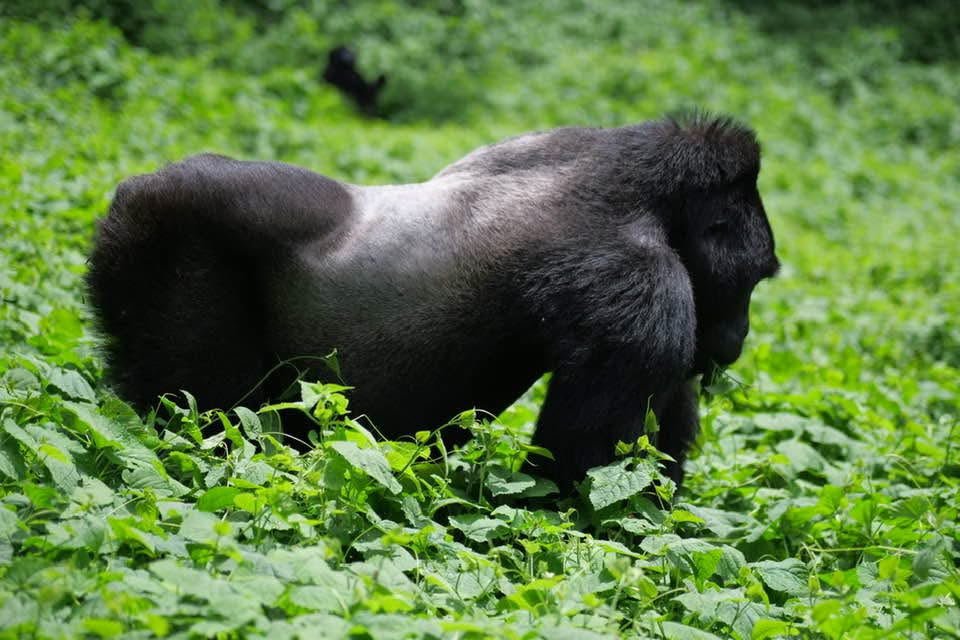
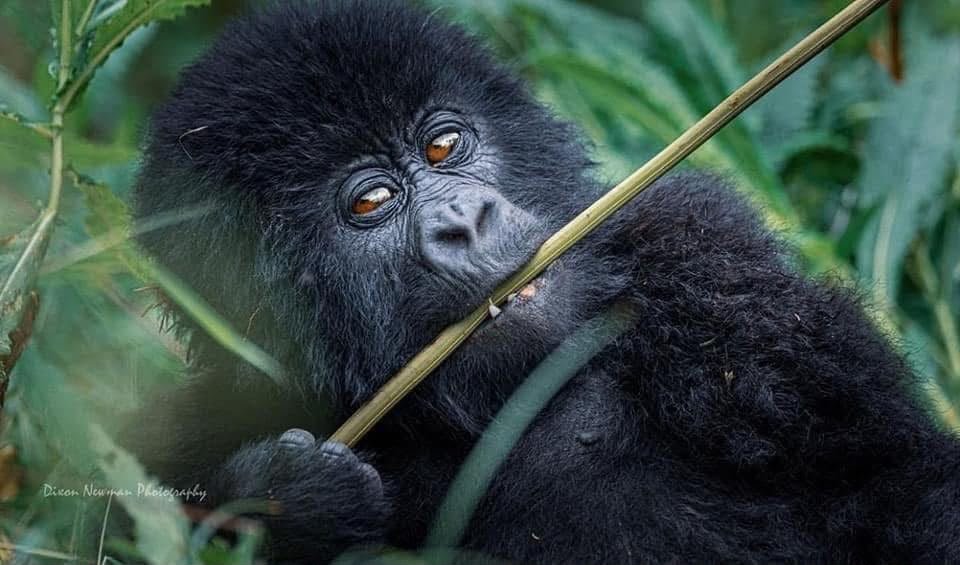
For example, you may witness a massive silverback calmly watching over his family while young gorillas play among the vines. Mothers may be seen grooming their infants, juveniles may chase one another through the vegetation, and older gorillas may quietly feed on bamboo shoots just a few meters away.
The famous Amahoro Gorilla Family is particularly known for its peaceful behavior, making it one of the most rewarding groups for photographers. Meanwhile, the Agashya Family, led by its powerful silverback, often provides fascinating displays of leadership and social interaction.
Because every gorilla family behaves differently, no two trekking experiences are ever exactly the same.
Photography Requires Patience
Capturing incredible wildlife photographs is one of the highlights of gorilla trekking. However, patience is often rewarded more than expensive camera equipment.
Since flash photography is prohibited, cameras with good low-light performance produce the best results. Similarly, smartphones with advanced camera systems can capture beautiful memories when used carefully.
For example, early morning mist filtering through the bamboo forest often creates dramatic natural lighting around the gorillas. Consequently, photographers are encouraged to slow down, observe animal behavior, and wait for authentic moments rather than constantly taking pictures.
Most importantly, visitors should remember that the experience itself is far more valuable than any photograph. Taking a few moments simply to watch the gorillas without a camera often becomes the memory that lasts the longest.
Every Gorilla Trek Is Unique
One of the most exciting Things to Know Before Your First Gorilla Trek in Rwanda is that no two treks are identical.
Unlike animals living in fenced reserves, mountain gorillas roam freely throughout the forest. Although trackers locate them early each morning, their exact location changes every day.
For instance, one group may be found after only forty-five minutes of walking, while another may require a challenging four-hour hike across volcanic terrain. Likewise, weather conditions, vegetation, and wildlife sightings vary from one trek to another.
As a result, every visitor returns home with a completely different story.
Some travelers may encounter golden monkeys on the trail, while others may spot colorful forest birds or hear the distant calls of black-and-white colobus monkeys before reaching the gorillas.
These unpredictable moments are what make Rwanda’s rainforest adventures so extraordinary.